News

A study led by Ohio State University astronomers has refined measurements of the universe’s primordial helium abundance to an unprecedented precision of nearly 0.5%, down from previous 2%…
New data fortifies modern physics insights, researchers say
New observations regarding the composition of distant galaxies reveal insights into the earliest phases of the universe that…
About a year and a half ago, Ohio State University astronomy professor David Weinberg wasn't sure whether the Nancy Grace Roman Space Telescope would ever make it to space.
On Aug. 30,…
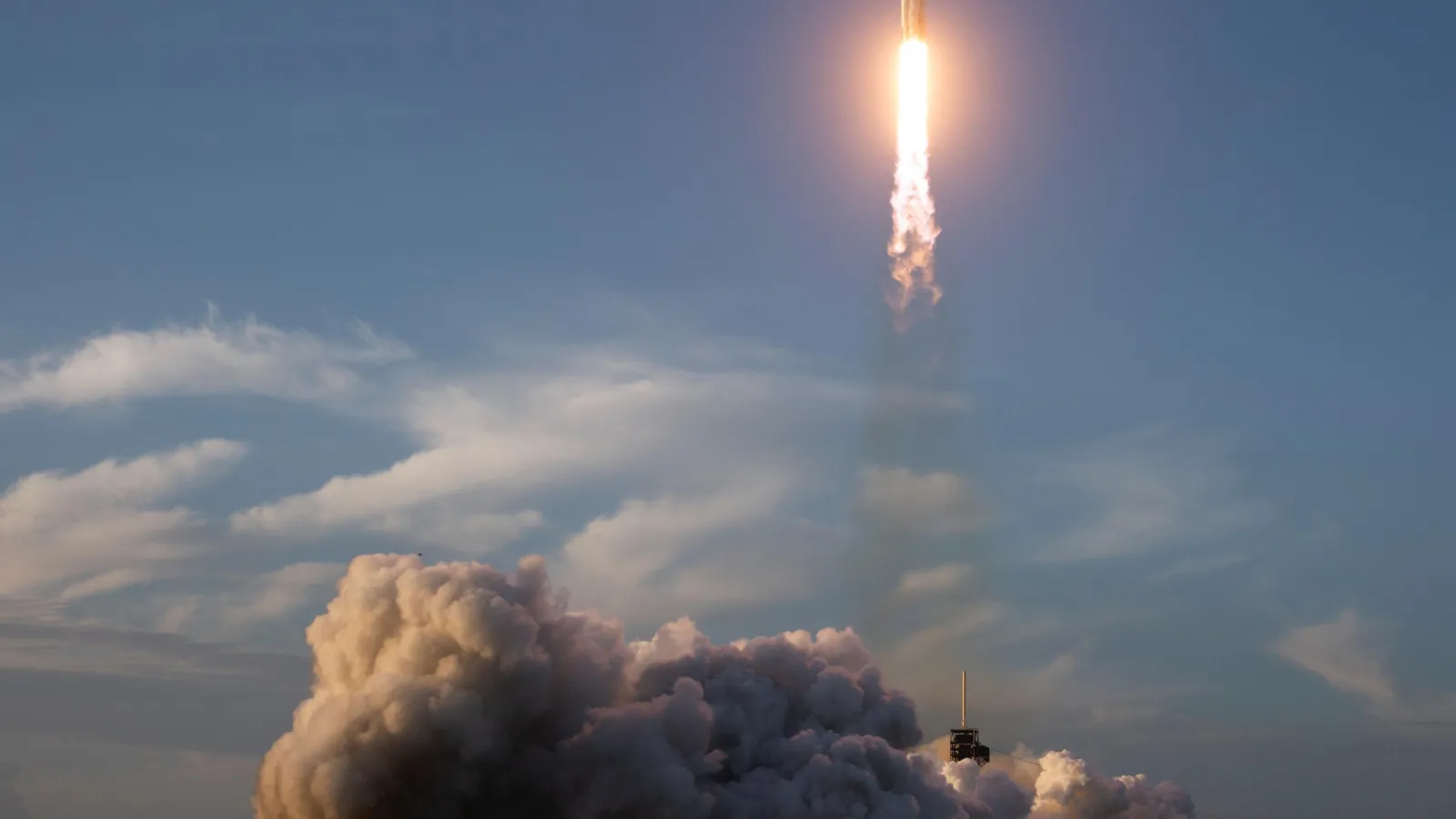
Faculty, students, and staff from The Ohio State University celebrated the successful launch of NASA’s Nancy Grace Roman Space Telescope—a mission aimed at uncovering the secrets of dark matter,…
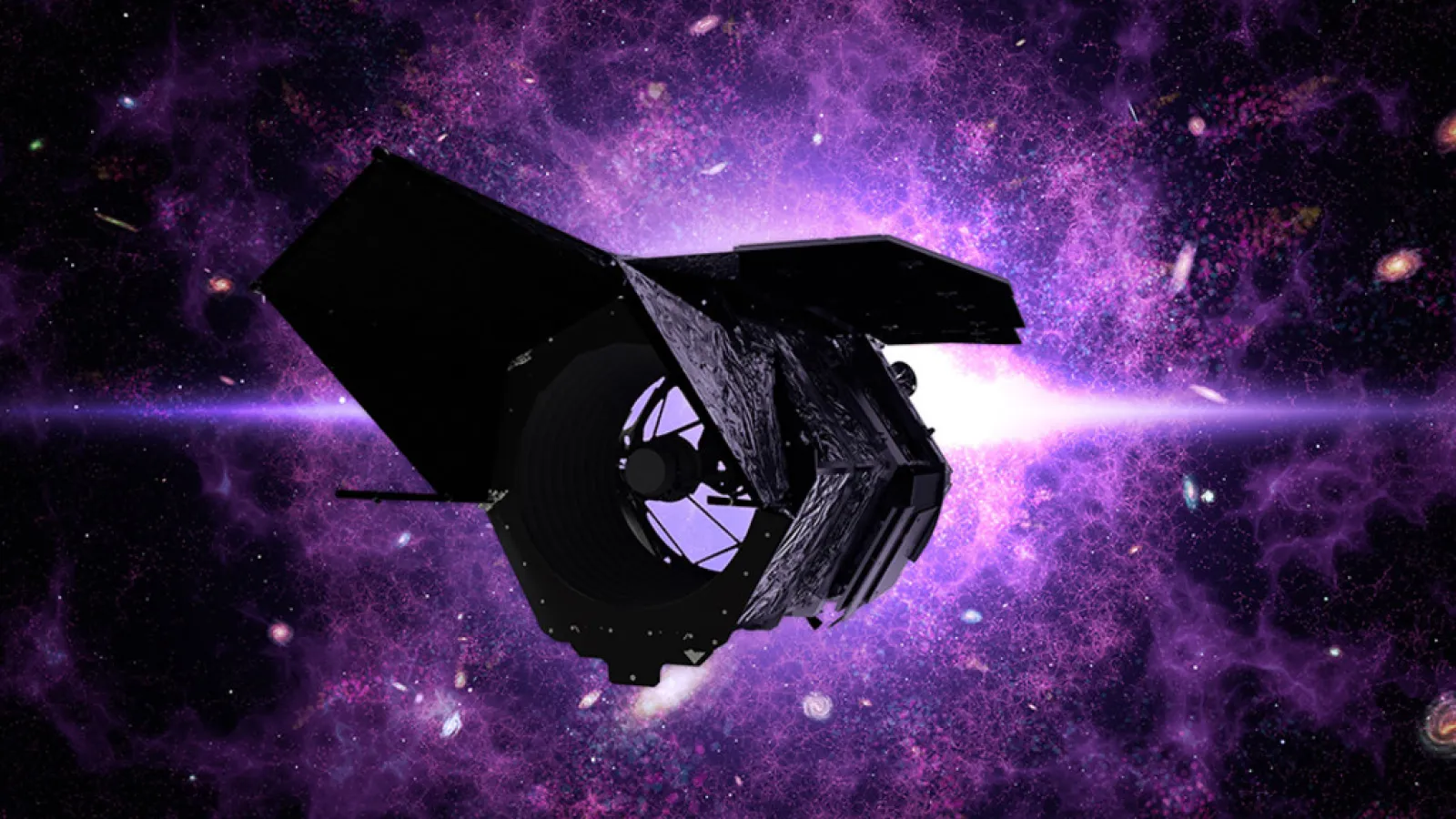
Nancy Grace Roman Space Telescope to launch Aug. 30
COLUMBUS, Ohio – A new telescope built with a field of view large enough to unravel some of the universe’s most mysterious puzzles will soon aim…

Work from Department of Astronomy doctoral student Jennifer Rodriguez and Professor Laura Lopez was recently featured by NASA’s Chandra X-Ray Observatory group…
CCAPP would like to congratulate the following postdocs and students who have already accomplished so much and are moving on to do great things in their next positions. We will miss you!
…
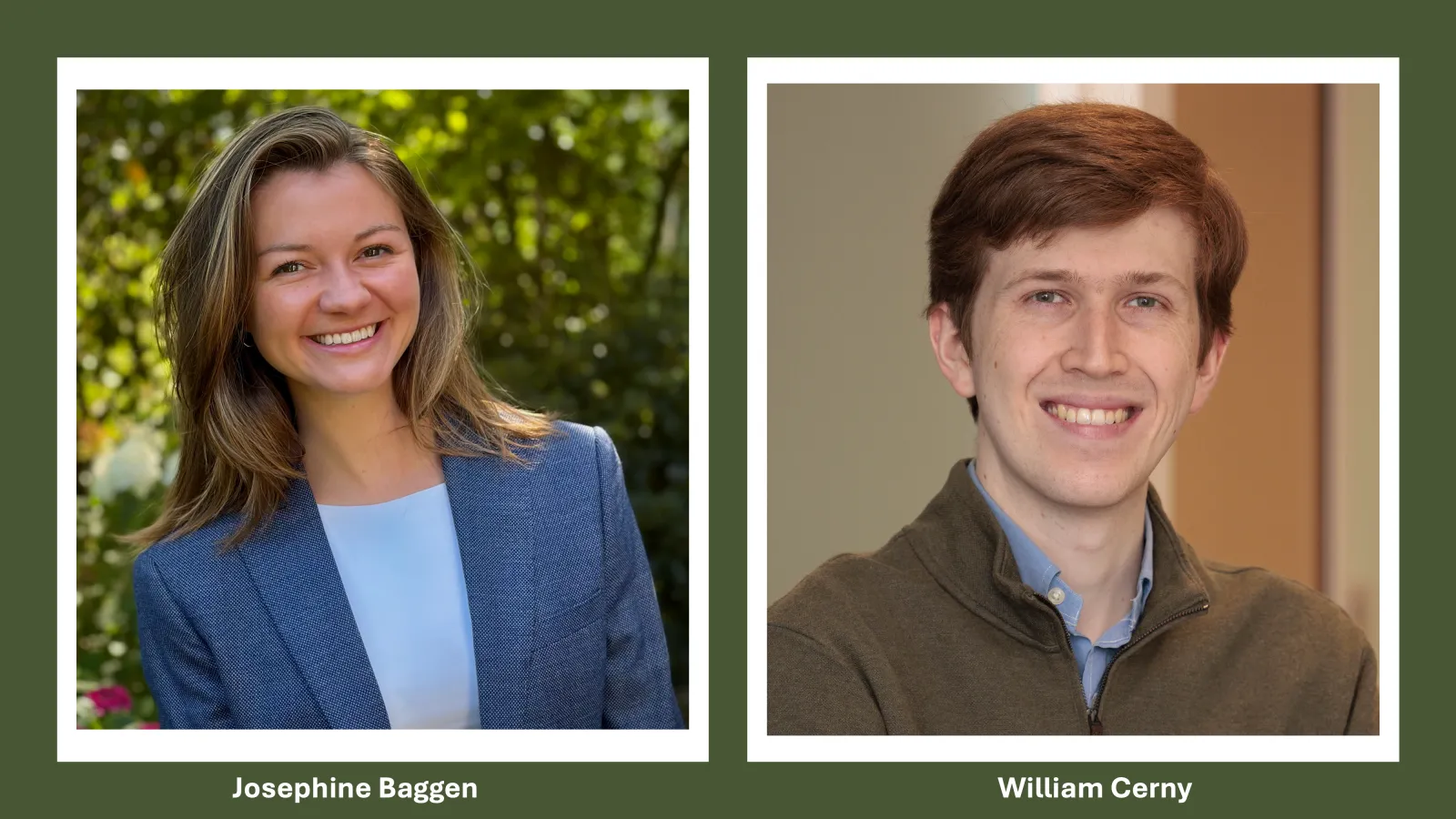
CCAPP is proud to announce Josephine Baggen (Yale University) and William Cerny (Yale University) as the winners of the 2026 Price Prize in Cosmology and…
We are excited to announce and welcome in the newest CCAPP Postdocs starting this fall 2026!
Federico Berlfein, Bill Chen, Hiram Herrera, Chloe Richards, Ce Sui, Claire Ye
…
A new study led by Ohio State researchers reveals how young, massive stars play a critical role in shaping galaxy evolution. By analyzing thousands of star-forming regions, the team found that…
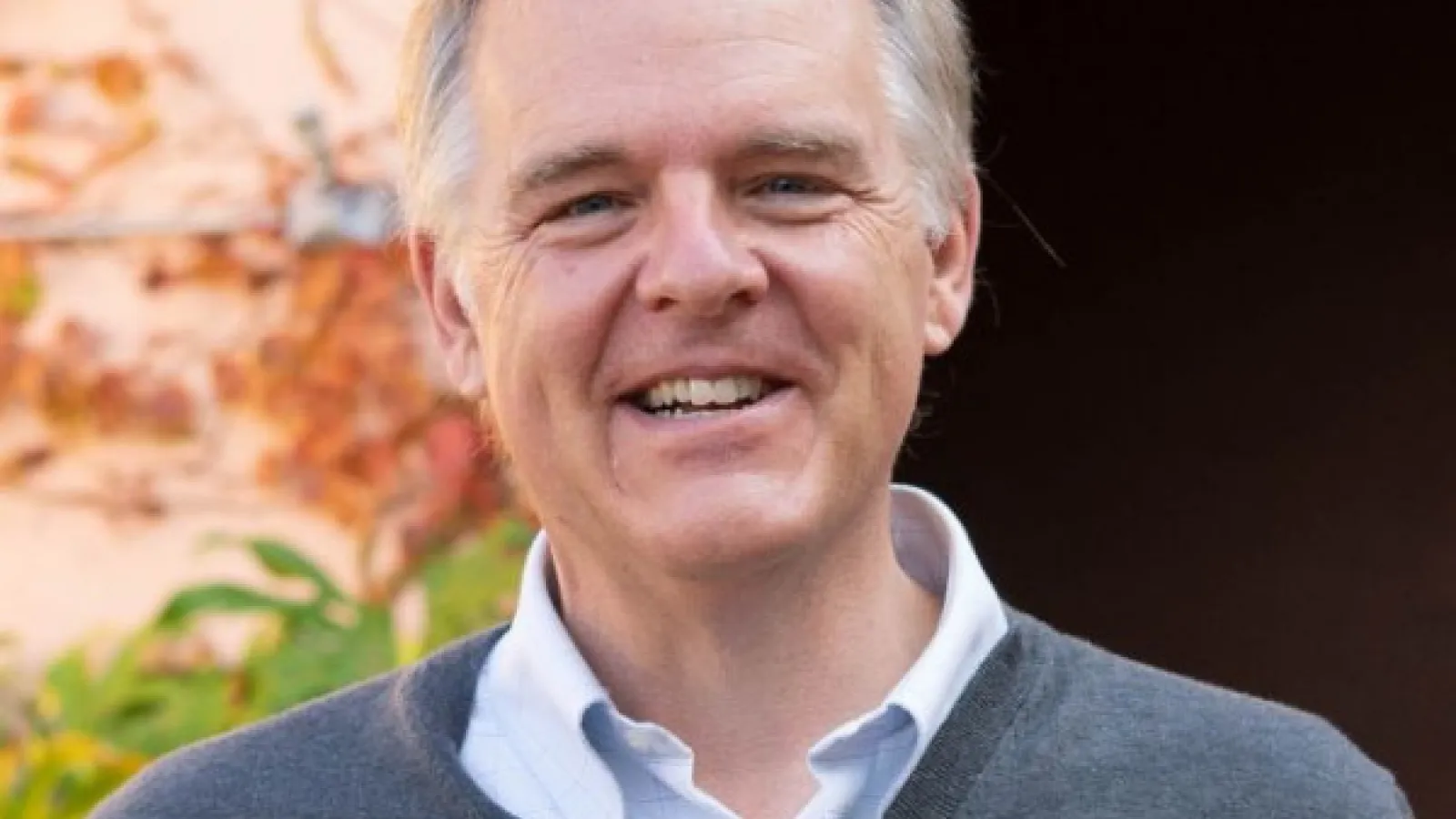
Award is one of the most prestigious honors university bestows on its alumni
Lars Bildsten of the University of California, Santa Barbara, is the 2026 recipient of the Joseph Sullivant…
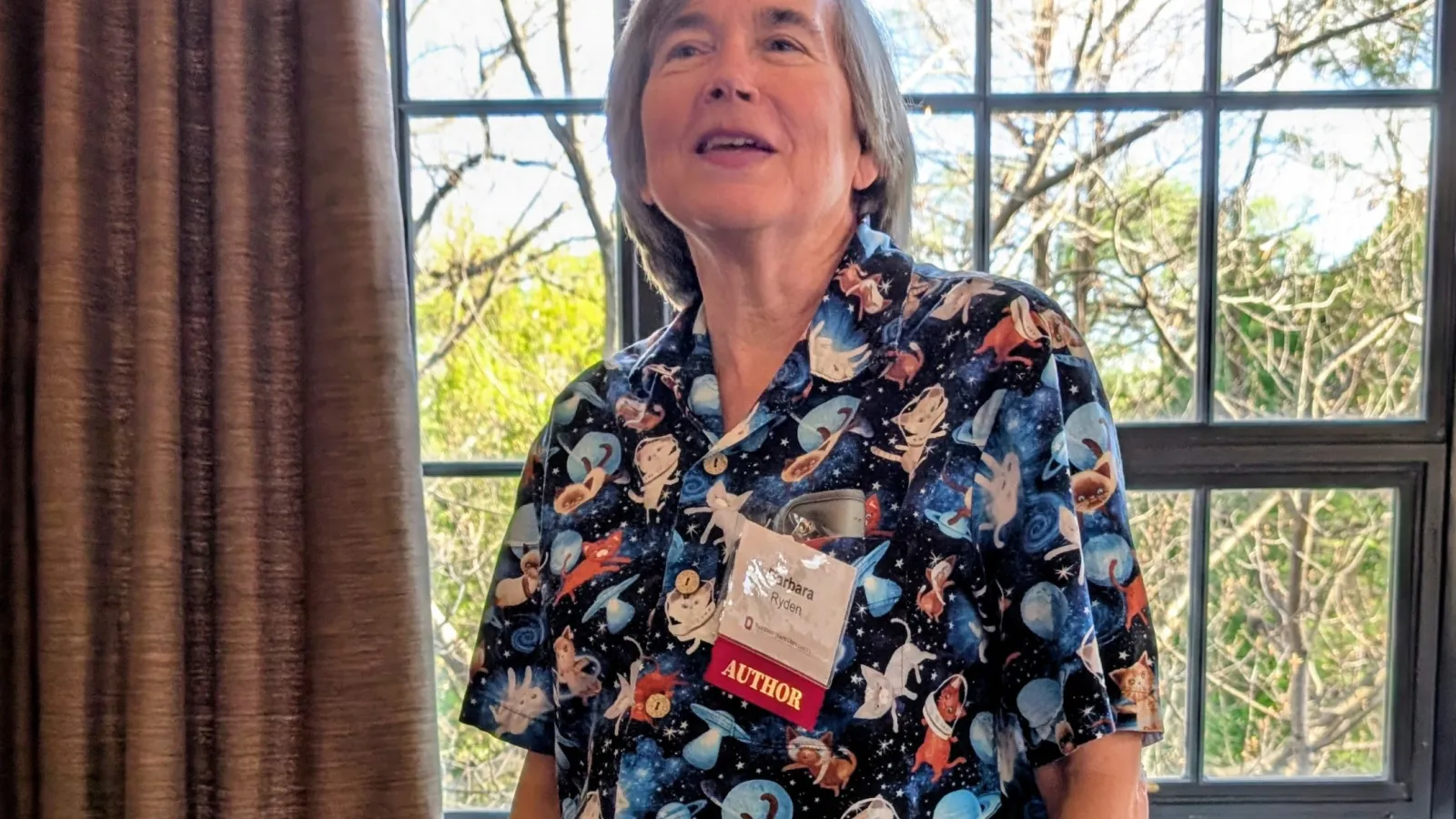
Congratulations to Barbara (picture attached!), who was recognized for her book Celestial and Stellar Dynamics at "Written in Scarlet and Gray," the Faculty Author Showcase put on earlier…
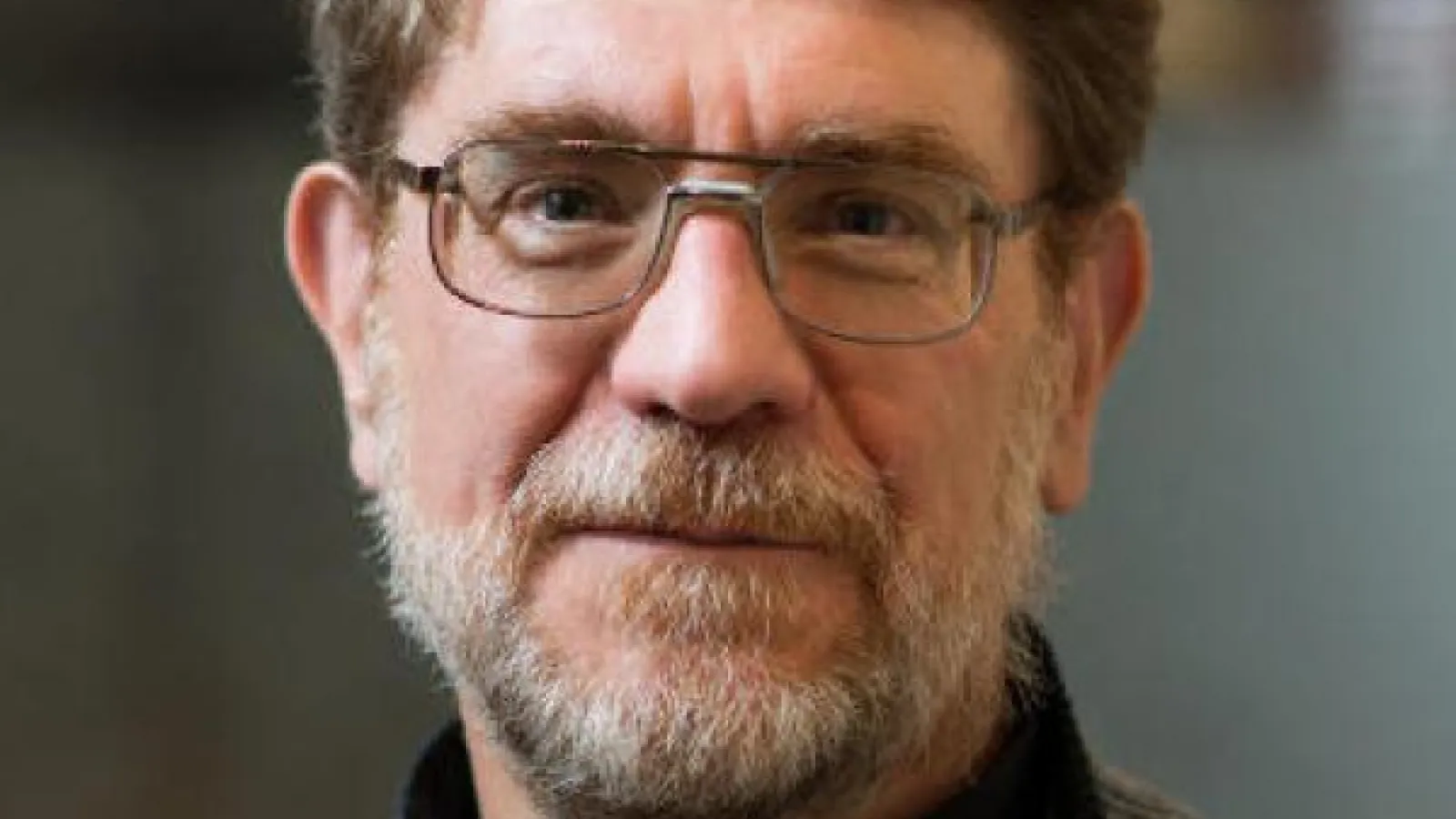
Congratulations to Chris Kochanek, an Ohio Eminent Scholar at The Ohio State University, who has been elected to the National Academy of Sciences in recognition of his pioneering achievements in…
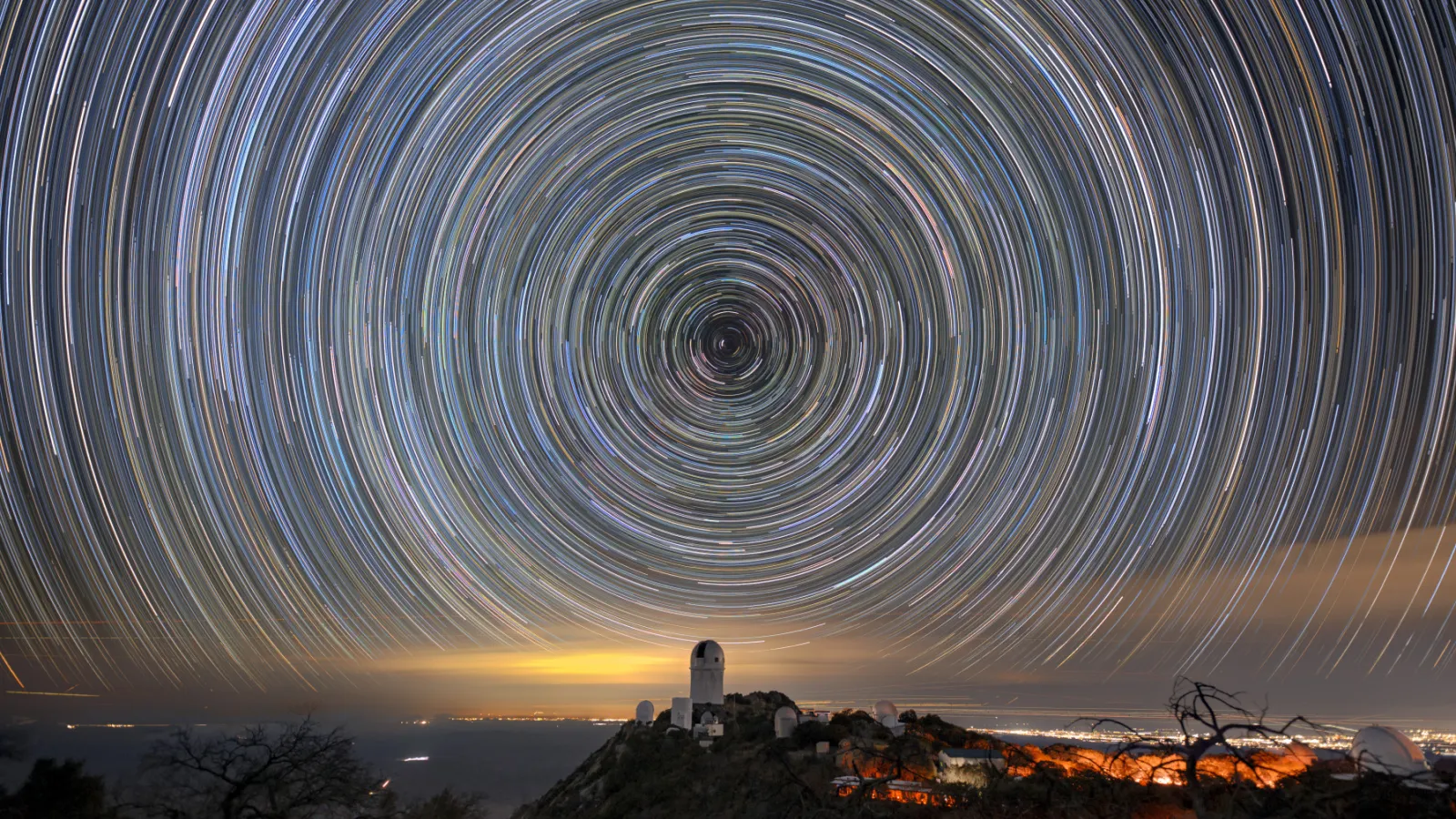
Five-year mission completed as dark matter research expands
COLUMBUS, Ohio – In pursuit of understanding the role dark energy plays in complex physics, researchers have marked completion of a…
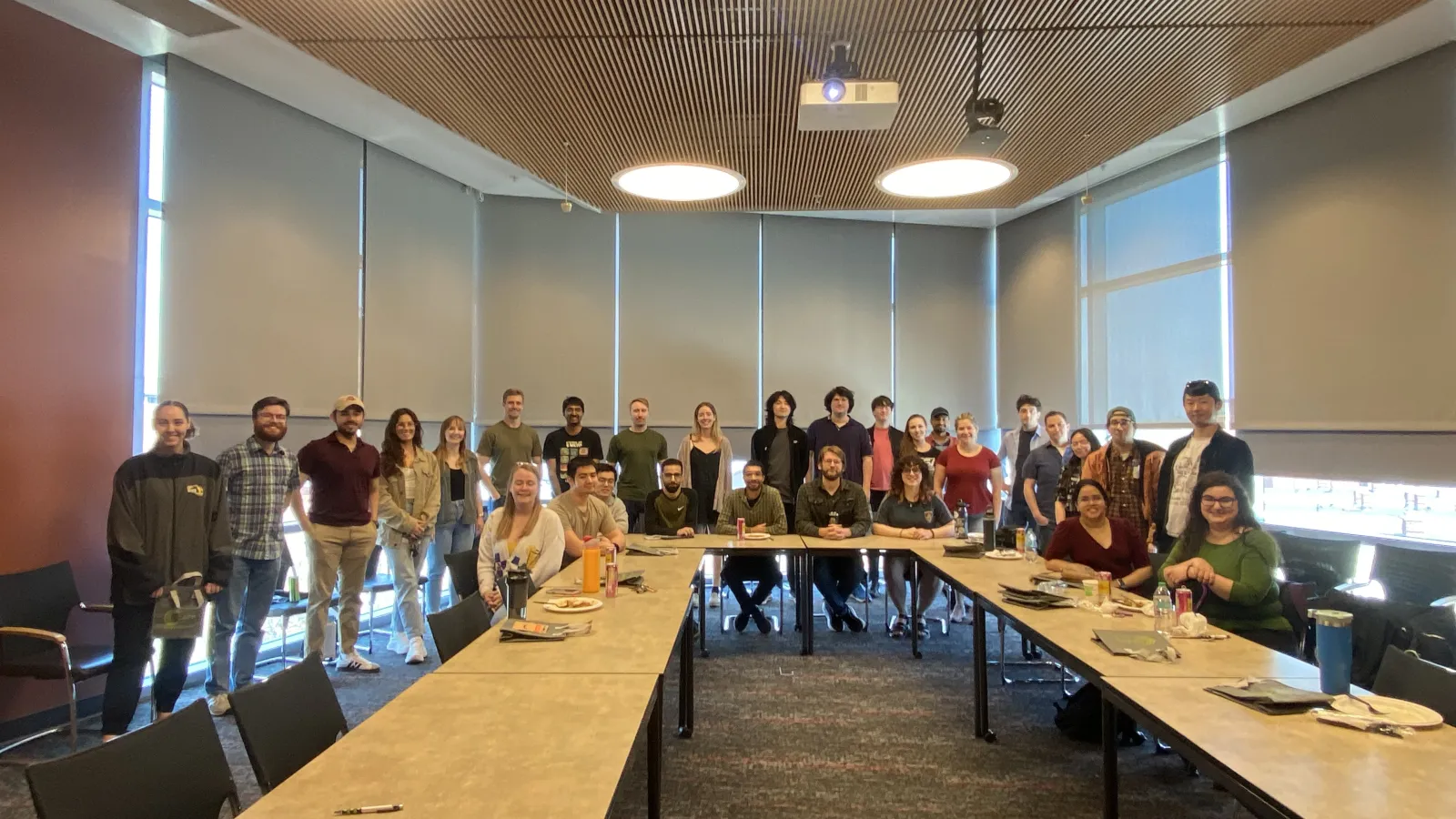
To celebrate the hard work and dedication of our graduate students, CCAPP hosted an Appreciation Lunch filled with great food and even better company. It wasn't just about the meal; students put…
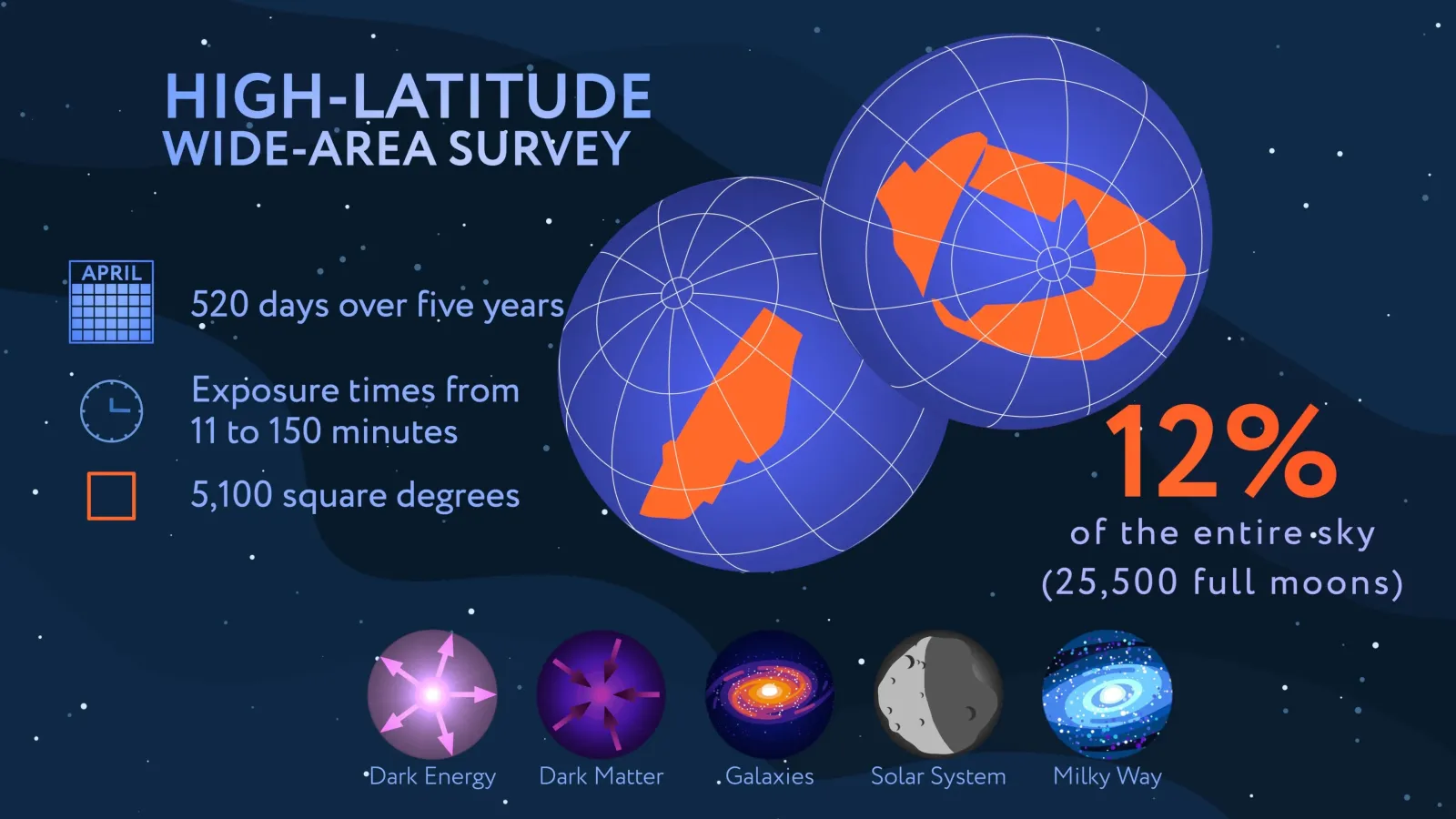
NASA’s Roman Space Telescope will conduct a vast High-Latitude Wide-Area Survey, mapping more than 5,000 square degrees of the sky with Hubble-quality imaging to study hundreds of millions of…
The American Astronomical Society (AAS) has named Chris Kochanek, Ohio Eminent Scholar and a professor in the Department of Astronomy, as one of 23 AAS Fellows for 2026. Kochanek was honored for…
Text from the American Astronomical Society (AAS) Press Release:
The 2026 Chambliss Astronomical Writing Award for astronomy writing for an academic audience, specifically textbooks at…
Four CCAPP graduate students have been awarded the 2025-2026 Presidential Fellowship!
The Presidential Fellowship is the most prestigious award given by the Graduate School to recognize the…
by Tatyana Woodall (Ohio State News)
In a new analysis, physicists provide the most precise picture yet of how neutrinos change ‘flavor’ as they travel through the cosmos…
Paul Martini
Professor of Astronomy and Physics (Courtesy)
martini.10@osu.edu
The Dark…

Newfound binary system is a cosmic oddball, researchers say.
Ohio State News Article, written by Tatyana Woodall
Stars die and vanish from sight all the time, but…
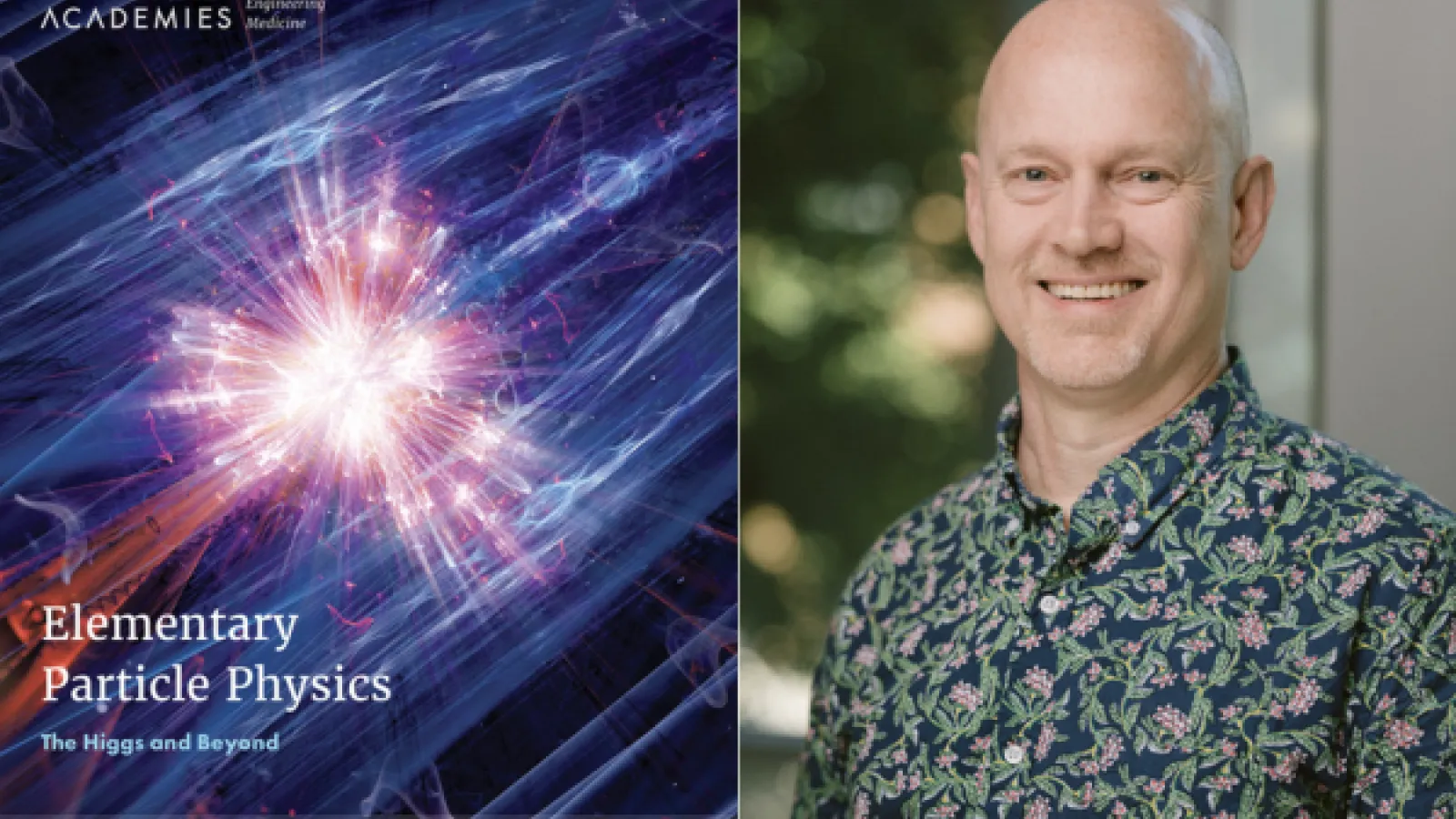
Elementary particle physics reflects the human quest to understand the basic building blocks of nature and the rules that govern the physical world. At the request of the Department of Energy and…
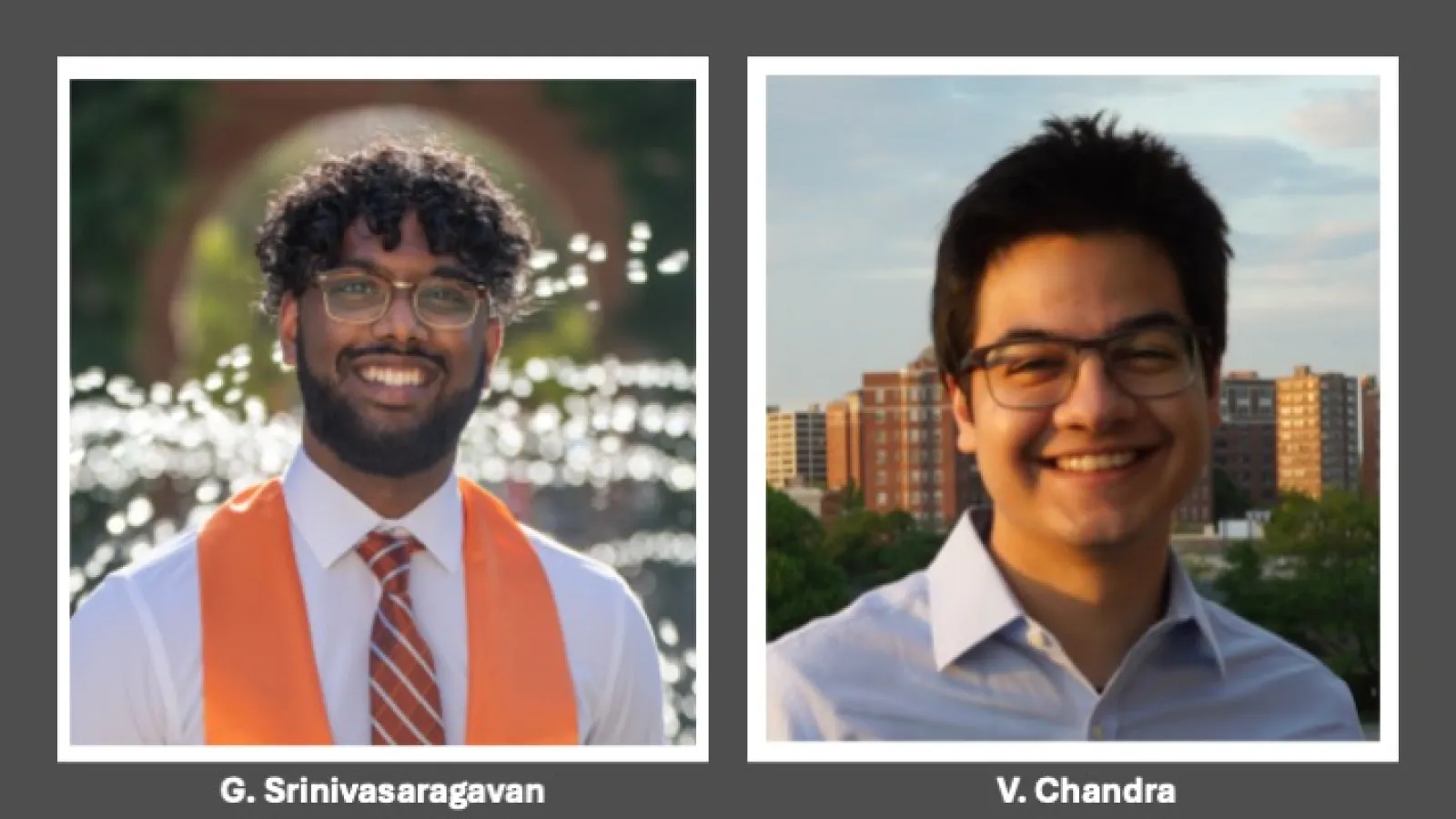
CCAPP is proud to announce Gokul Prem Srinivasaragavan (U. Maryland) and Vedant Chandra (Harvard) as the winners of the 2025 Price Prize in Cosmology and…
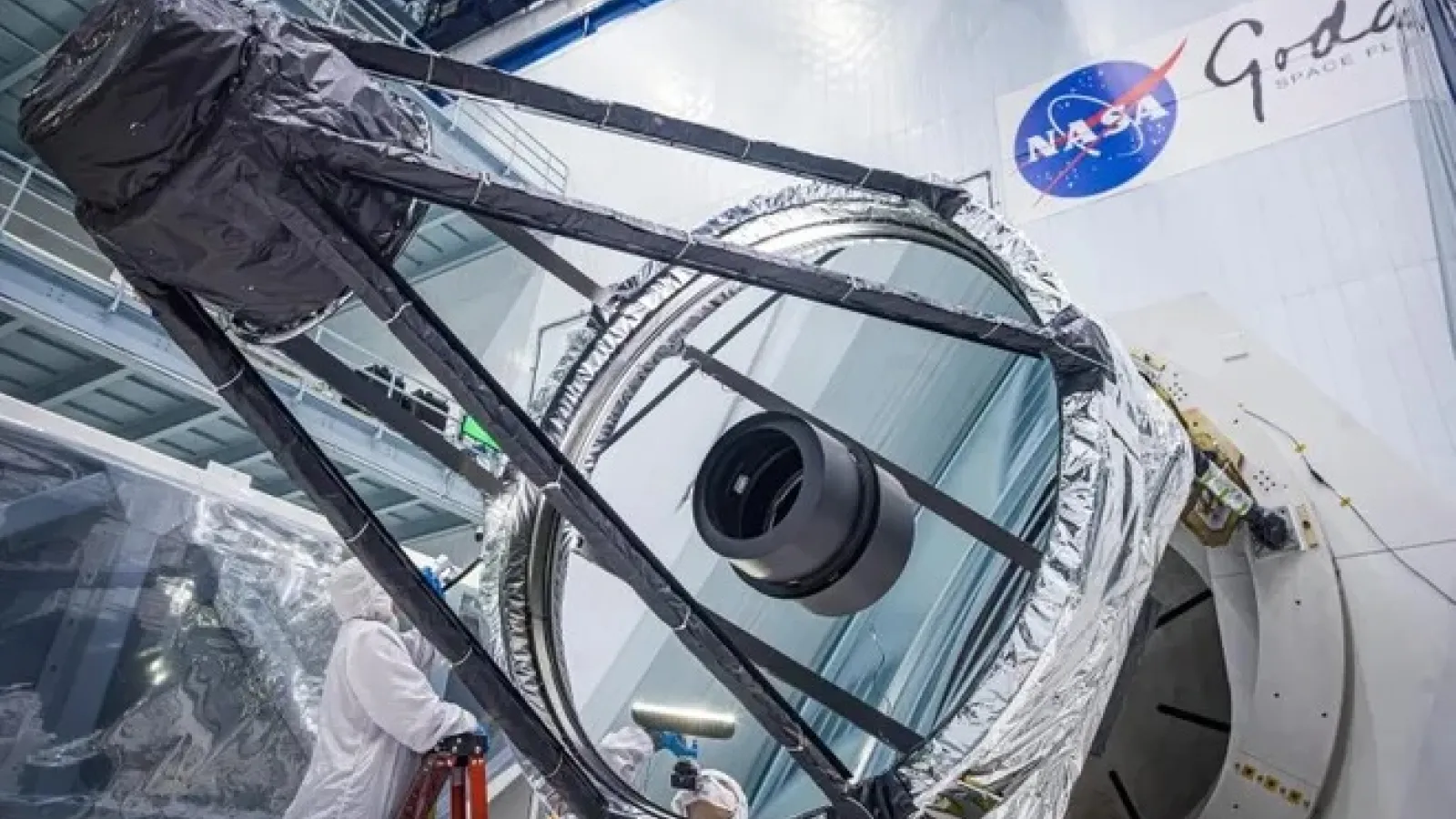
The Trump administration proposed plans on May 2 to dramatically slash NASA's budget in its 2026 "skinny budget," an outline of how it anticipates allocating government funds during the next…
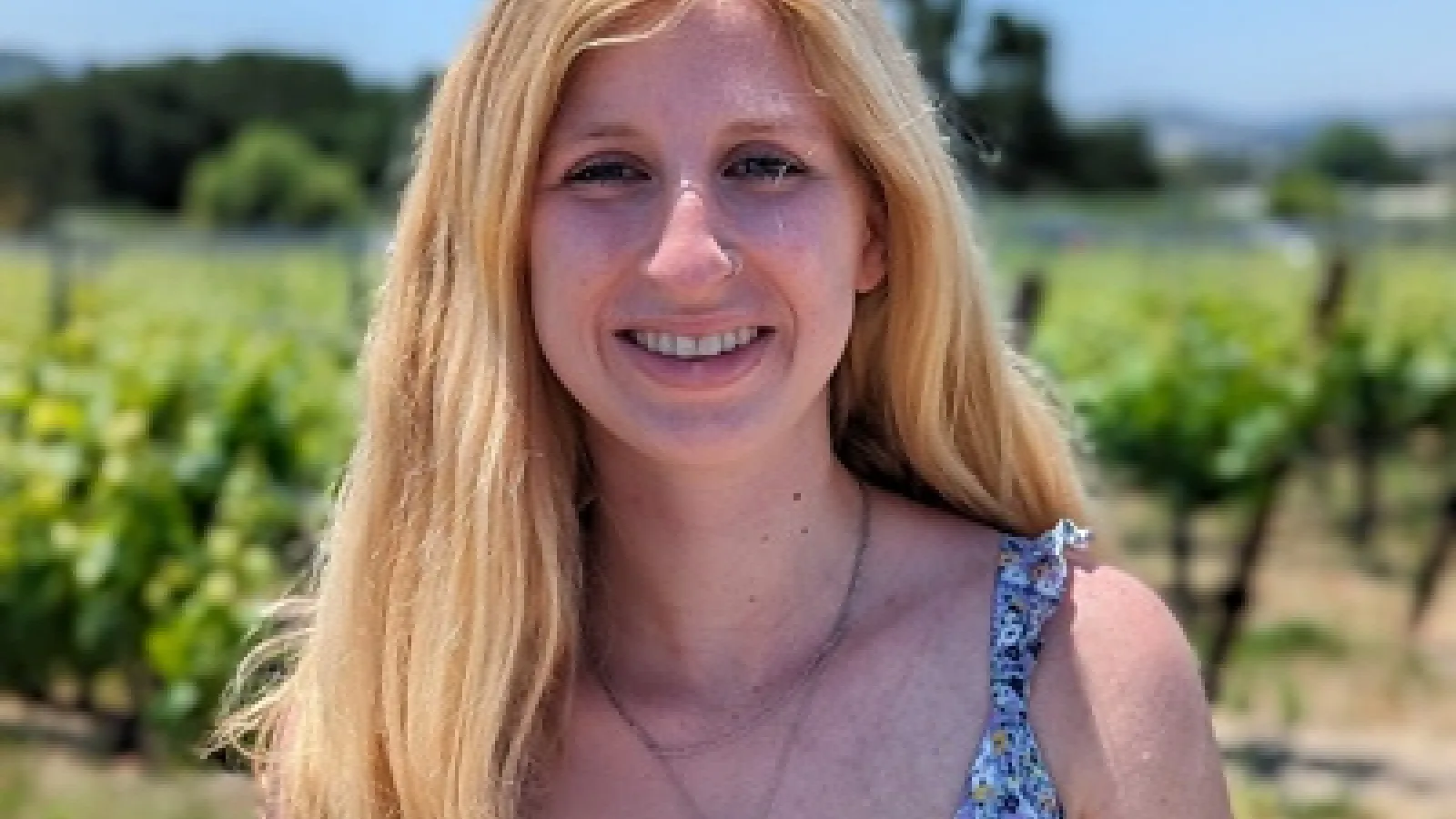
The Ohio State University recently named Molly Wolfson as one of the 2025 cohort of President's Postdoctoral Scholars!
The President’s Postdoctoral Scholars Program (PPSP), supported by the…
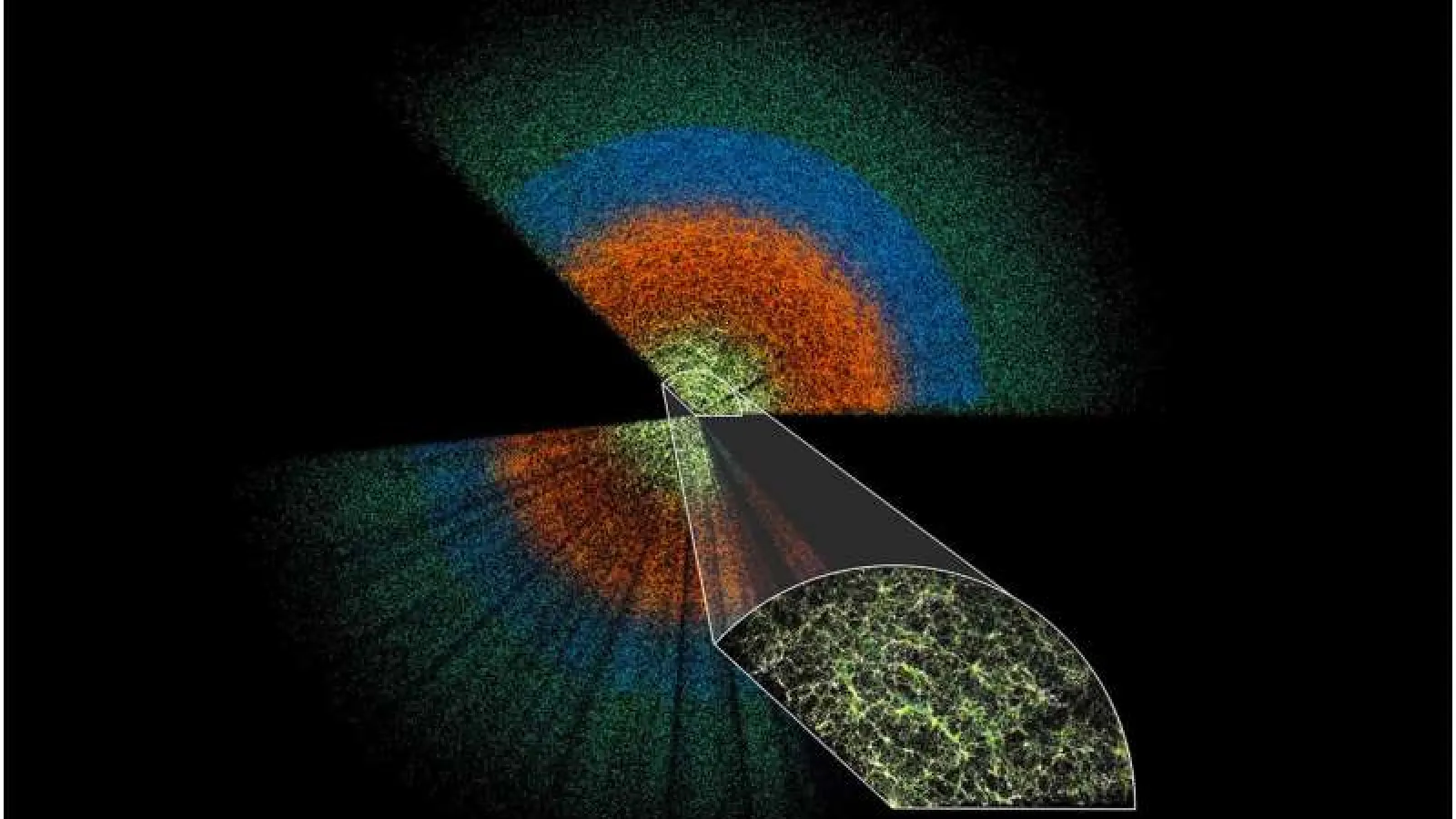
These measurements provide much the strongest evidence to date that the "dark energy" that drives the accelerating expansion of the universe is itself evolving in time, with surprising properties…
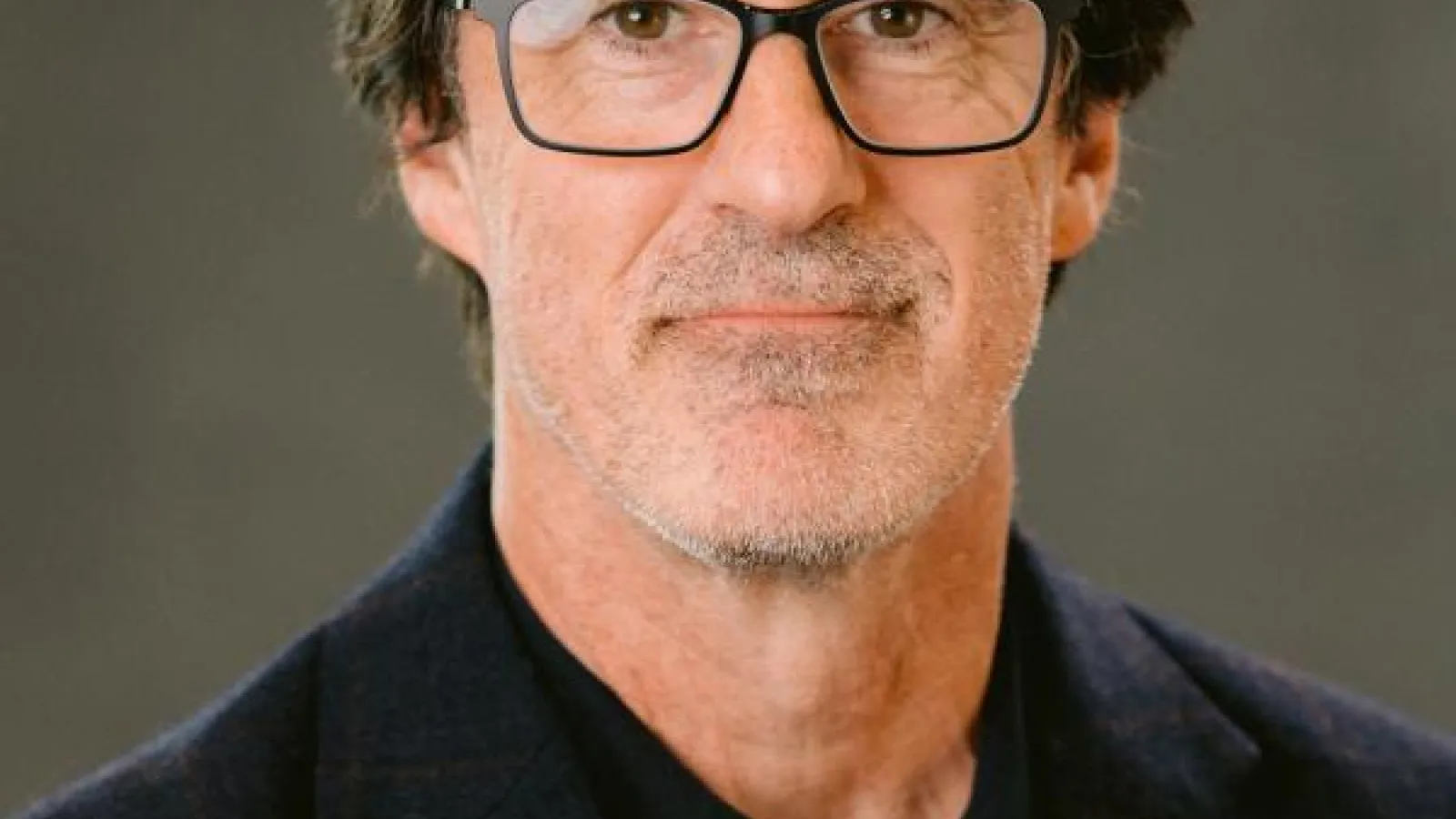
Professor Mike Lisa has been named a recipient of the 2025 Excellence in Undergraduate Research Mentoring Award!
This is an annual award given by Undergraduate Research & Creative Inquiry in…
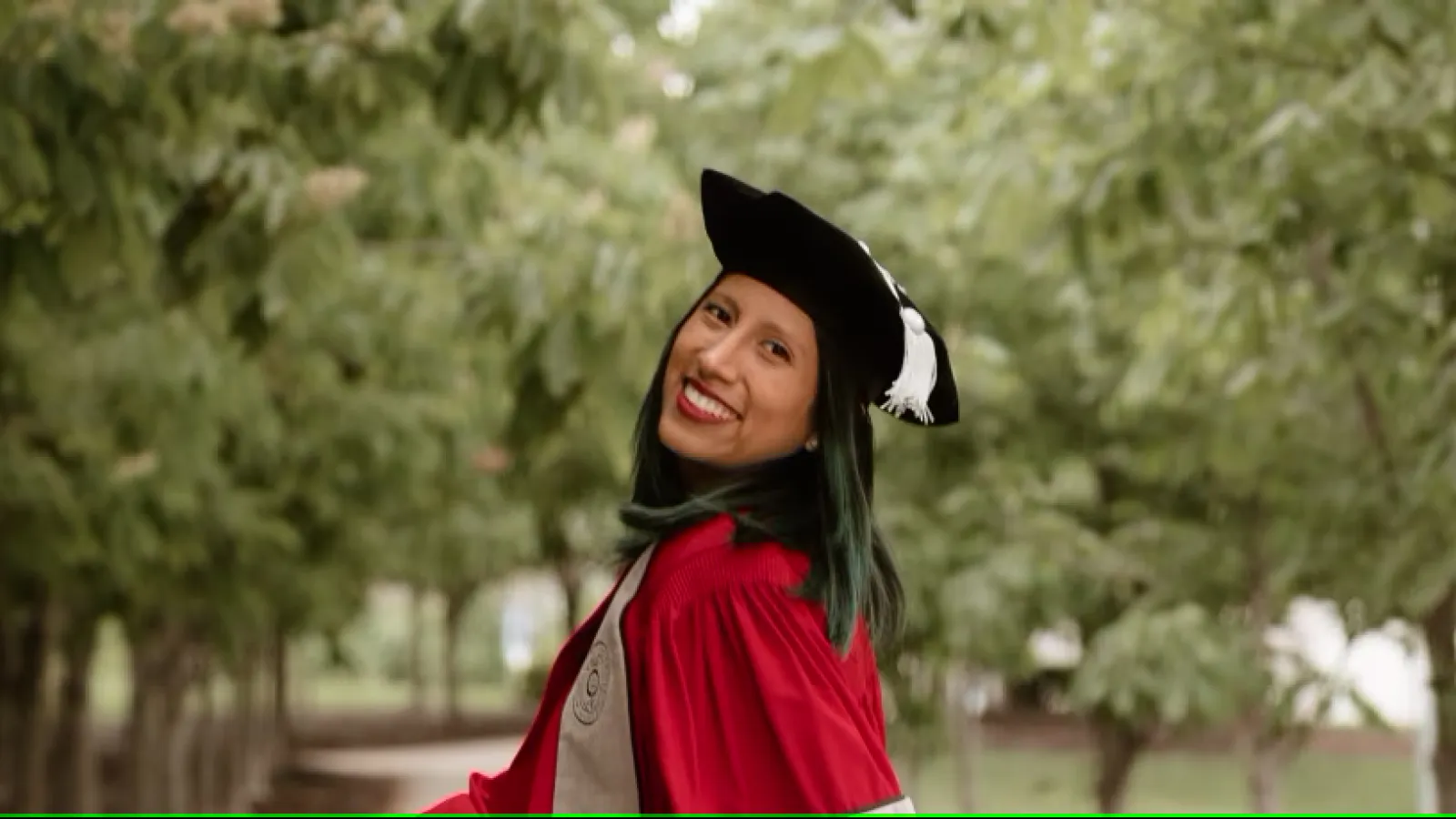
Daniella Roberts, a CCAPP Alumna, was featured in APS news article "Persistence pays off for APS Bridge Program graduate, now aviation data scientist" retelling "Her road from loathing physics to…

Prof. Laura Lopez has been awarded a 2025 College of Arts & Sciences Mid-Career Faculty Excellence Award. These awards recognize outstanding performance in all three areas of research, teaching,…
"Adam Leroy has helped lead a new era of interstellar medium science"
Congratulations to Adam Leroy who has been awarded the 2025 Henry Draper Medal from the National Academy of Sciences…

Department of Astronomy faculty members Laura Lopez (Associate Professor) and David Weinberg (Distinguished University Professor) have been named as 2025 Fellows of the American Astronomical…
Ranjan Laha, an Assistant Professor at the Indian Institute of Science, Bangalore, is one of two winners of the 2024 ICTP Prize from the International Centre for Theoretical Physics in Trieste,…
An international team of researchers has made new observations of an unusual supernova, finding the most metal-poor stellar explosion ever observed.
This rare supernova,…
The Presidential Fellowship is the most prestigious award given by the Graduate School to recognize the outstanding scholarly accomplishments and potential of graduate students entering the final…

Professor Kaeli Hughes's $729K NSF Grant, WoU-MMA: Cosmic Ray and Background Identification with RNO-G, has just received funding!
Abstract from the NSF:
…
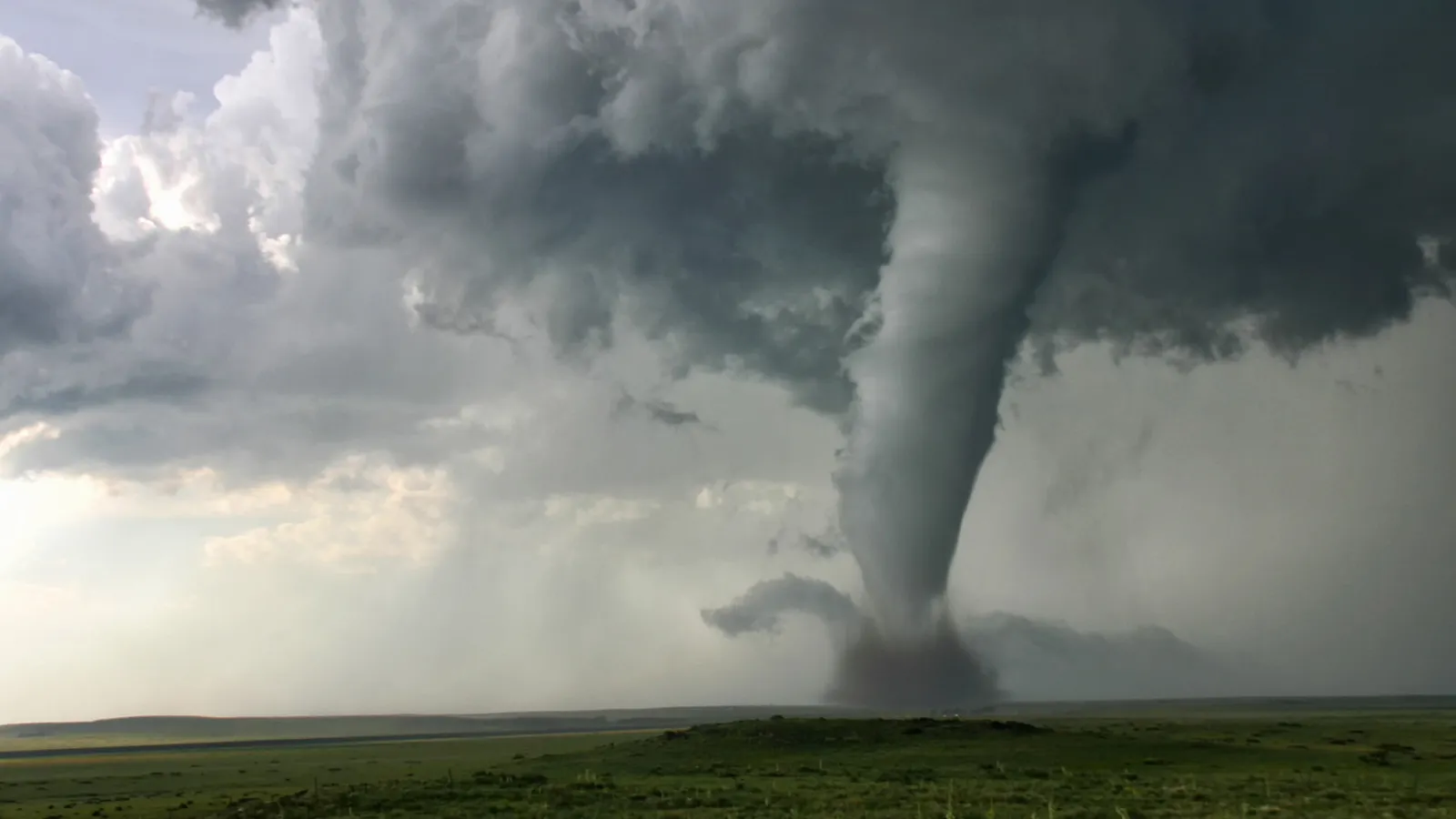
Physicists say particle-finding technique has value on Earth
Cosmic rays could offer scientists another way to track and study violent tornadoes and other severe weather phenomena, a new study…
Engaged Scholars is a series highlighting Ohio State faculty who have made an impact in our communities through their community-engaged research and teaching.
2024…
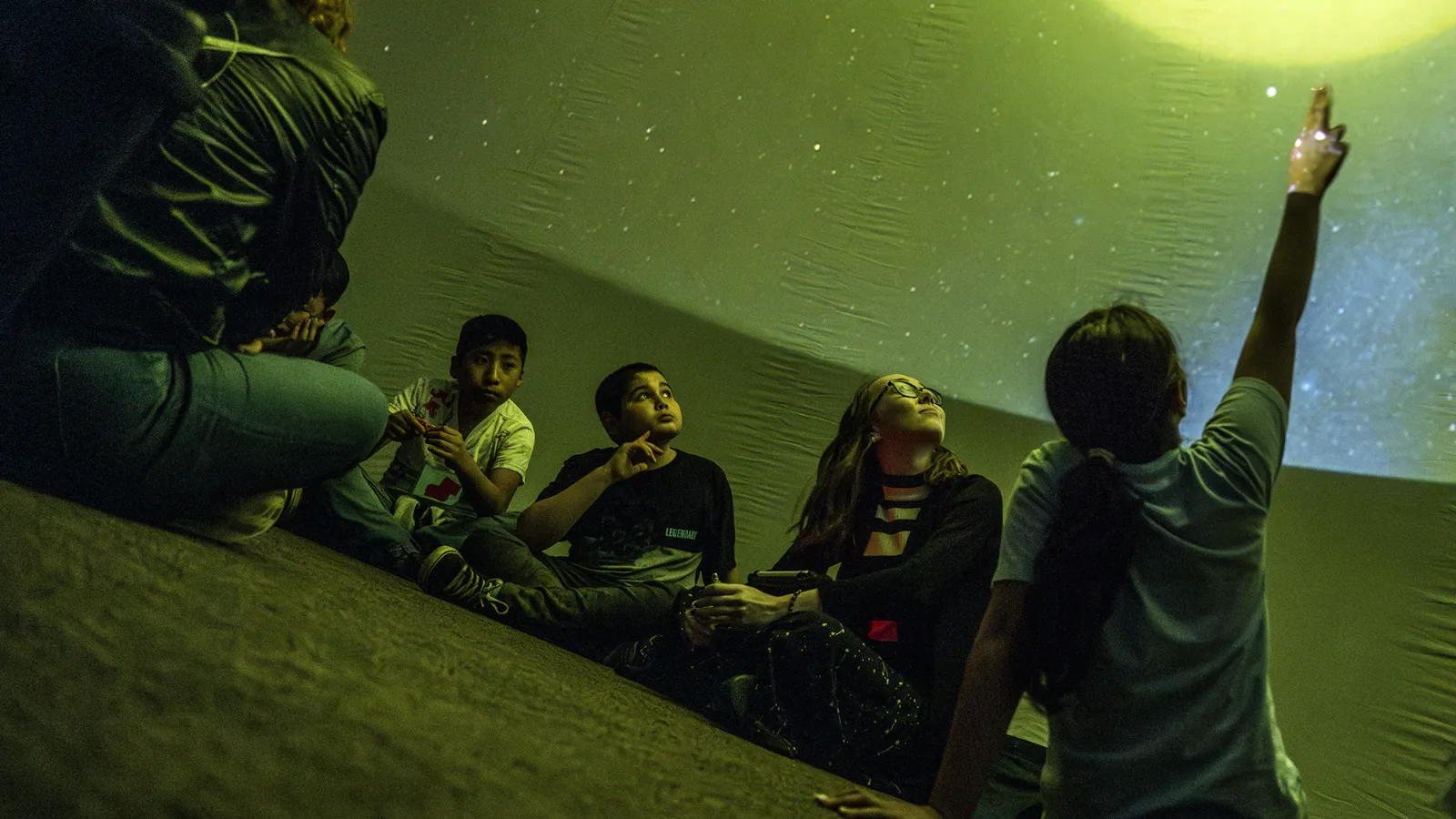
Caitlin O’Brien grew up surrounded by space. Some of her fondest childhood memories are watching Carl Sagan's Cosmos with her dad. As an undergrad majoring in astronomy and astrophysics…
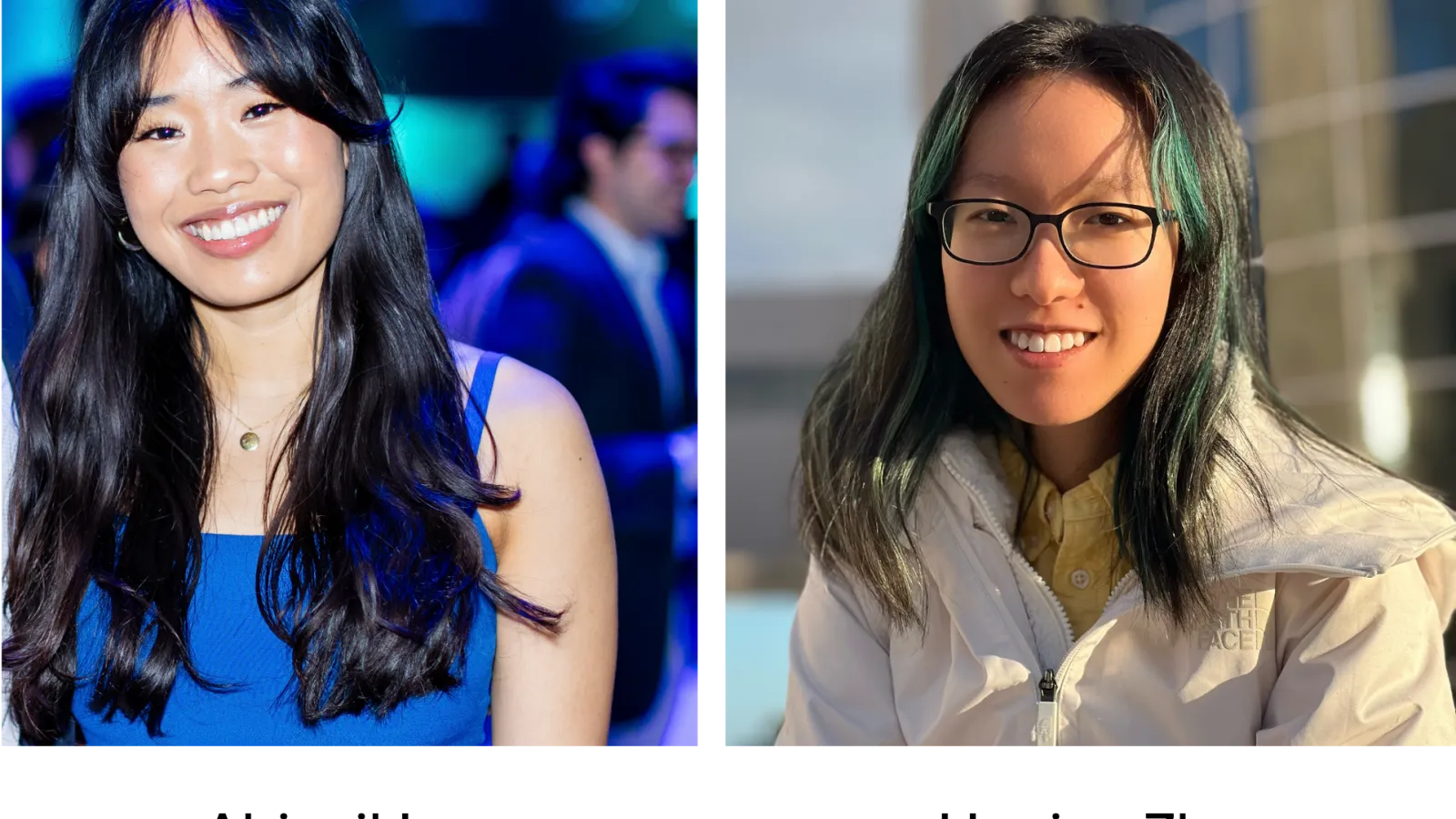
CCAPP is proud to announce Abigail Lee (U. Chicago) and Hanjue Zhu (U. Chicago) as the winners of the 2024 Price Prize in Cosmology and Astrophysics!
Abigail’s research focuses on improving…
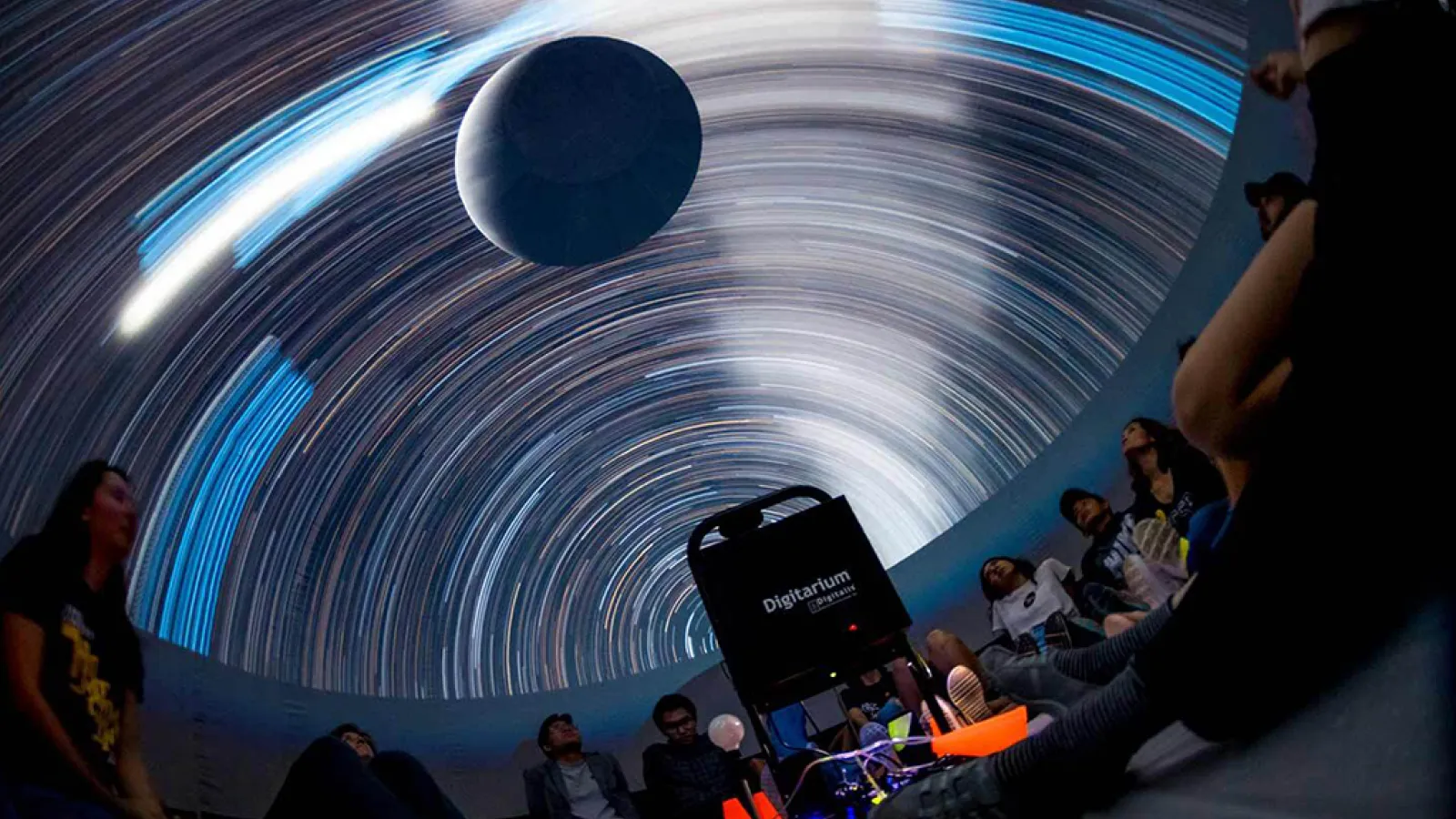
One of our recent undergraduate alums, Caitlin O’Brien, working with two other undergraduates, was selected last year for the President’s Buckeye Accelerator Award. Their project, called Solstice…
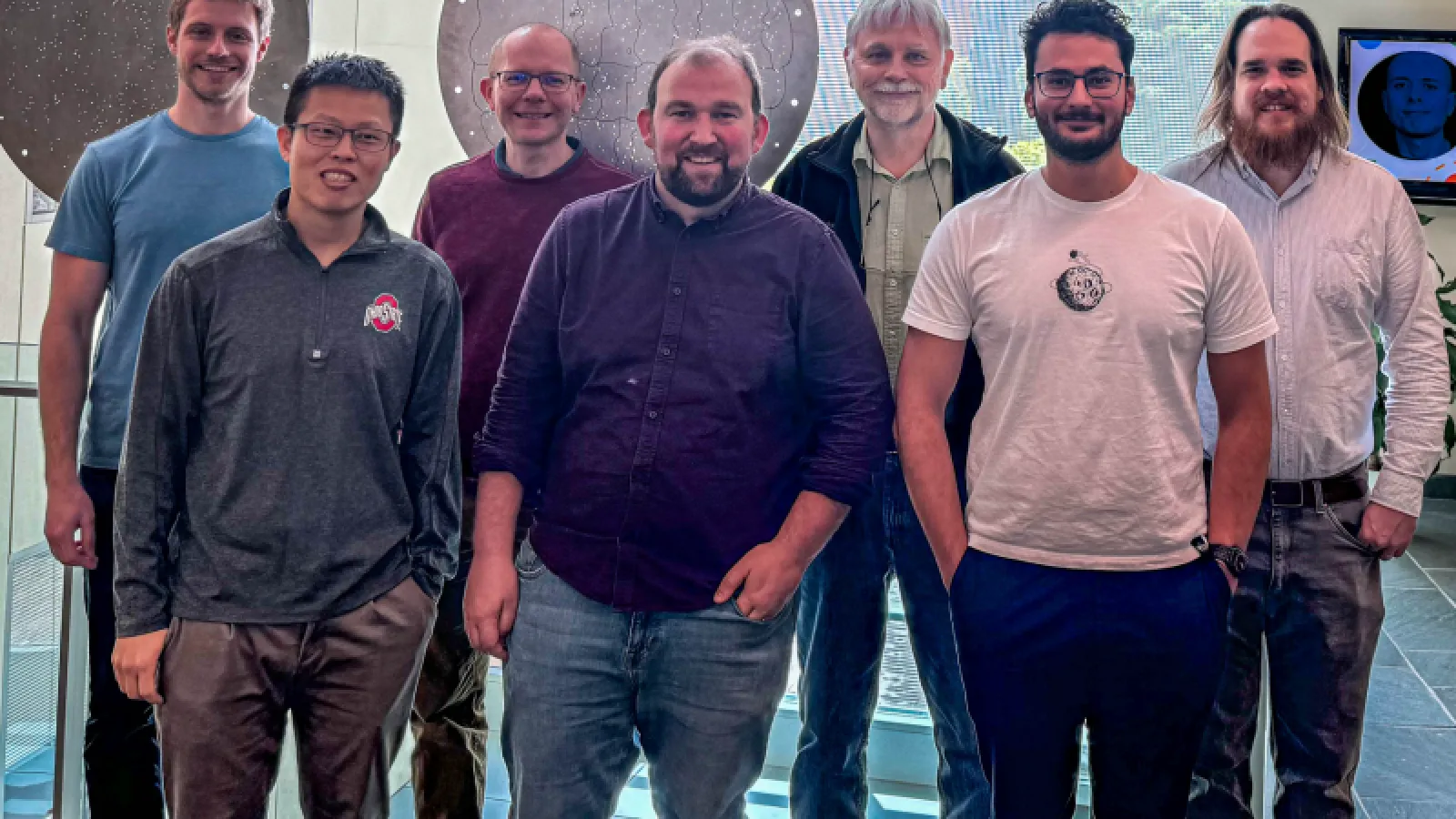
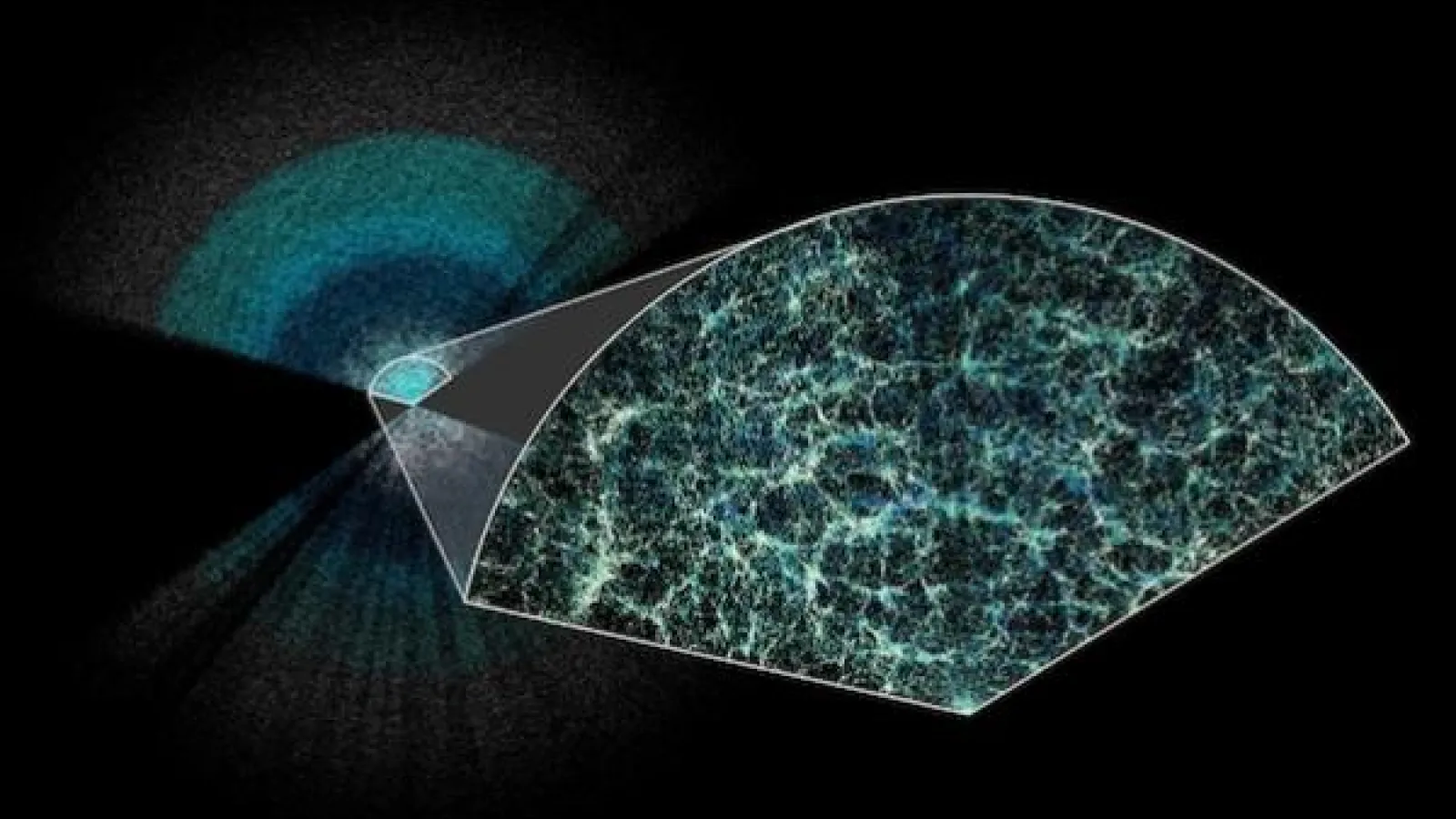
Researchers at The Ohio State University played a major role in analyzing the first year of data from the Dark Energy Spectroscopic Instrument’s survey into the history of the universe.…
JWST data reveals how dust, gas assemble to form galactic disks
For the first time, high-resolution images captured by the James Webb Space Telescope are offering…
Where do stars and planets come from? New observations with the Hubble Space Telescope, NASA’s groundbreaking new James Webb Space Telescope, and the giant radio telescope ALMA reveal galaxies in…
Ohio State Energy Partners (OSEP), the university’s comprehensive energy management partnership, has announced 2023-24 grants for projects that advance access to STEM education for people with…
Astronomers have revealed new evidence about the properties of the giant bubbles of high-energy gas that extend far above and below the Milky Way galaxy’s center.
In a…

Harrison Blake, a rising senior, has been awarded the Astronaut Scholarship, which recognizes outstanding students in STEM pursuing research careers.
Blake was awarded the scholarship for…
An Ohio State University astronomy professor has been elected to the National Academy of Sciences, one of the highest honors a scientist can receive in the U.S.
David…
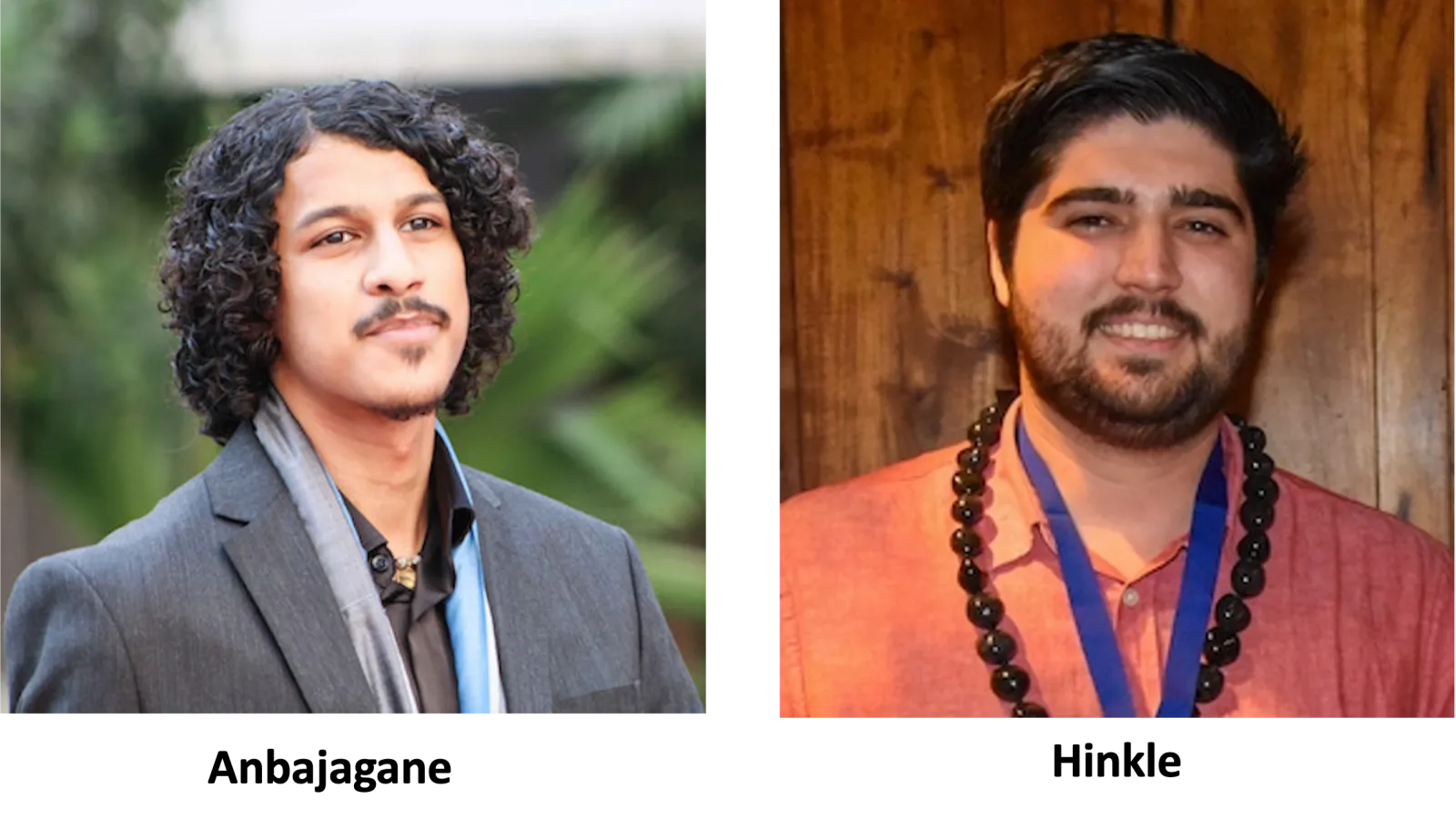
CCAPP is proud to announce Dhayaa Anbajagane (U. Chicago) and Jason Hinkle (U. Hawaii) as the winners of the 2023 Price Prize in Cosmology and Astrophysics!
Dhayaa's research program…
In a new study, researchers in the Departments of Physics and Astronomy have taken an important step toward understanding how exploding stars can help reveal how neutrinos, mysterious subatomic…
Using data from the James Webb Space Telescope’s first year of interstellar observation, an international team of researchers was able to serendipitously view an exploding supernova in a…
Caitlin O’Brien and her team won one of the 6 President's Buckeye Accelerator awards last night. 11 ventures made their final pitch in the Ohio Union last night brought to us by the Keenan Center…
Researchers participating in the PHANGS collaboration, or Physics at High Angular resolution in Nearby Galaxies, are using the telescope's infrared capabilities to study 19 spiral galaxies. “The…
Congratulations to postdoc and former OSU grad student Keith McBride who has been awarded the University of Chicago’s Grainger Postdoctoral Fellowship, one of the premier physics…
Astronomers have found a way to peer into the physics of some of the brightest stars in the sky.
Using data from NASA’s Kepler space telescope, an international team of…
Congratulations to Heyang Long, Rachel Patton, and Carton Zeng for being selected as Presidential Fellows this year!
The Presidential Fellowship is the most prestigious award given by the…
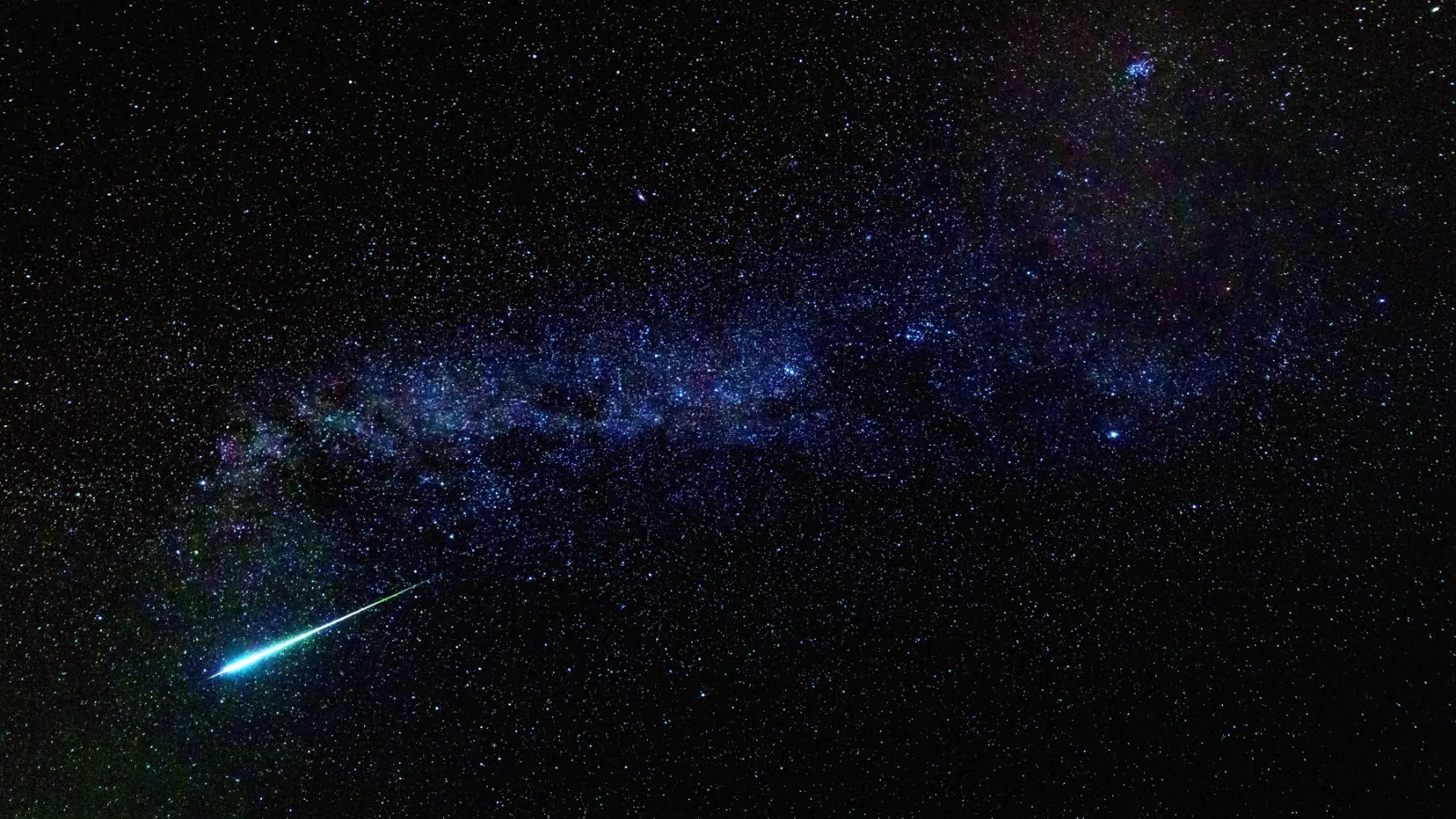
Meteors may help astronomers devise a new way to locate dark matter – mysterious and invisible particles that have so far only been discerned by the effect they have on the natural world.
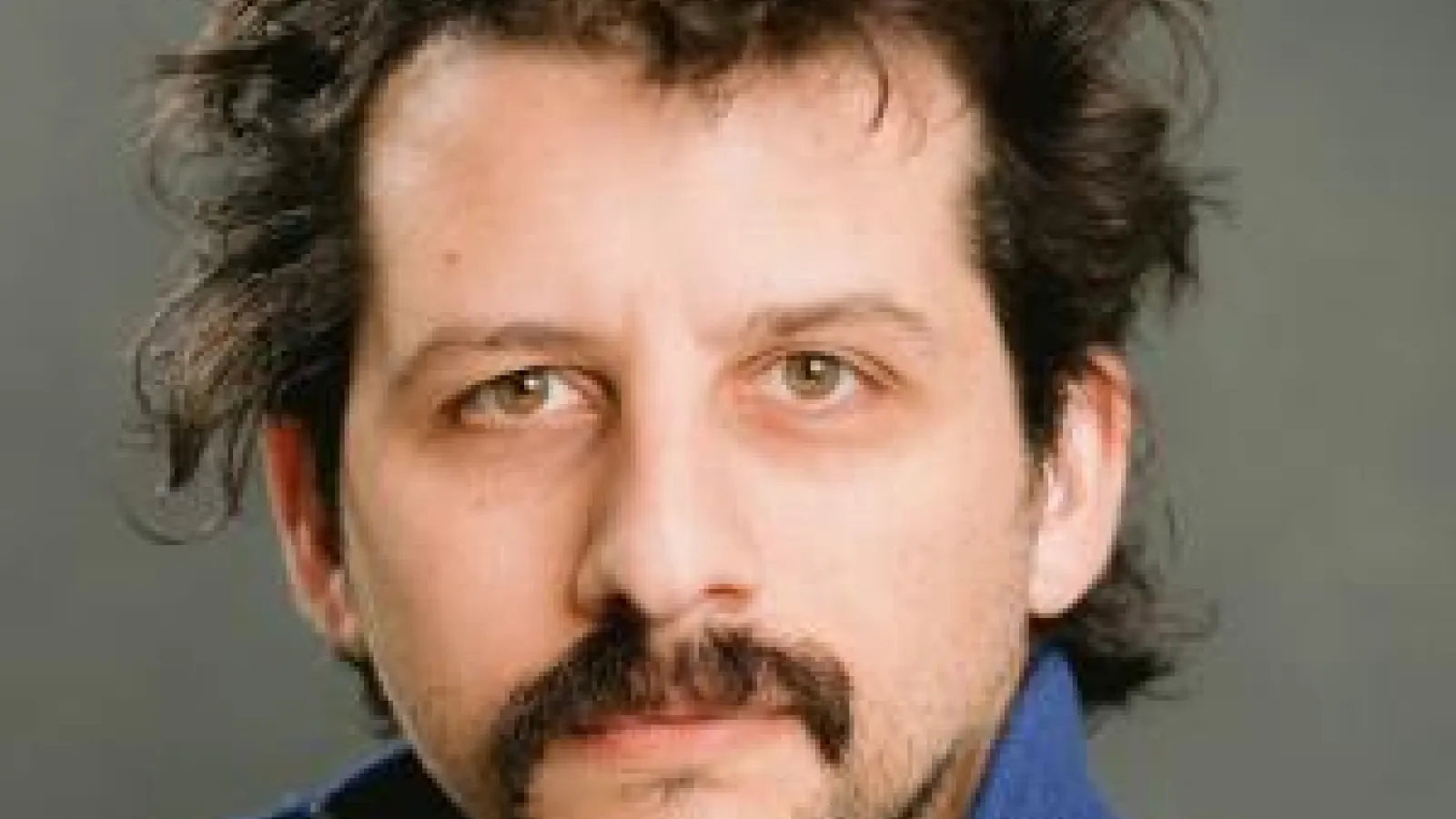
Congratulations to our very own Paul Martini for being elected to be a 2022 American Physical Society Fellow. Quoting from the announcement, “The APS Fellowship Program recognizes members…
For his work "challenging conventional theories and engineering new tools to detect ultra-high energy sub-atomic particles that could hold clues to long held mysteries of our universe", former…
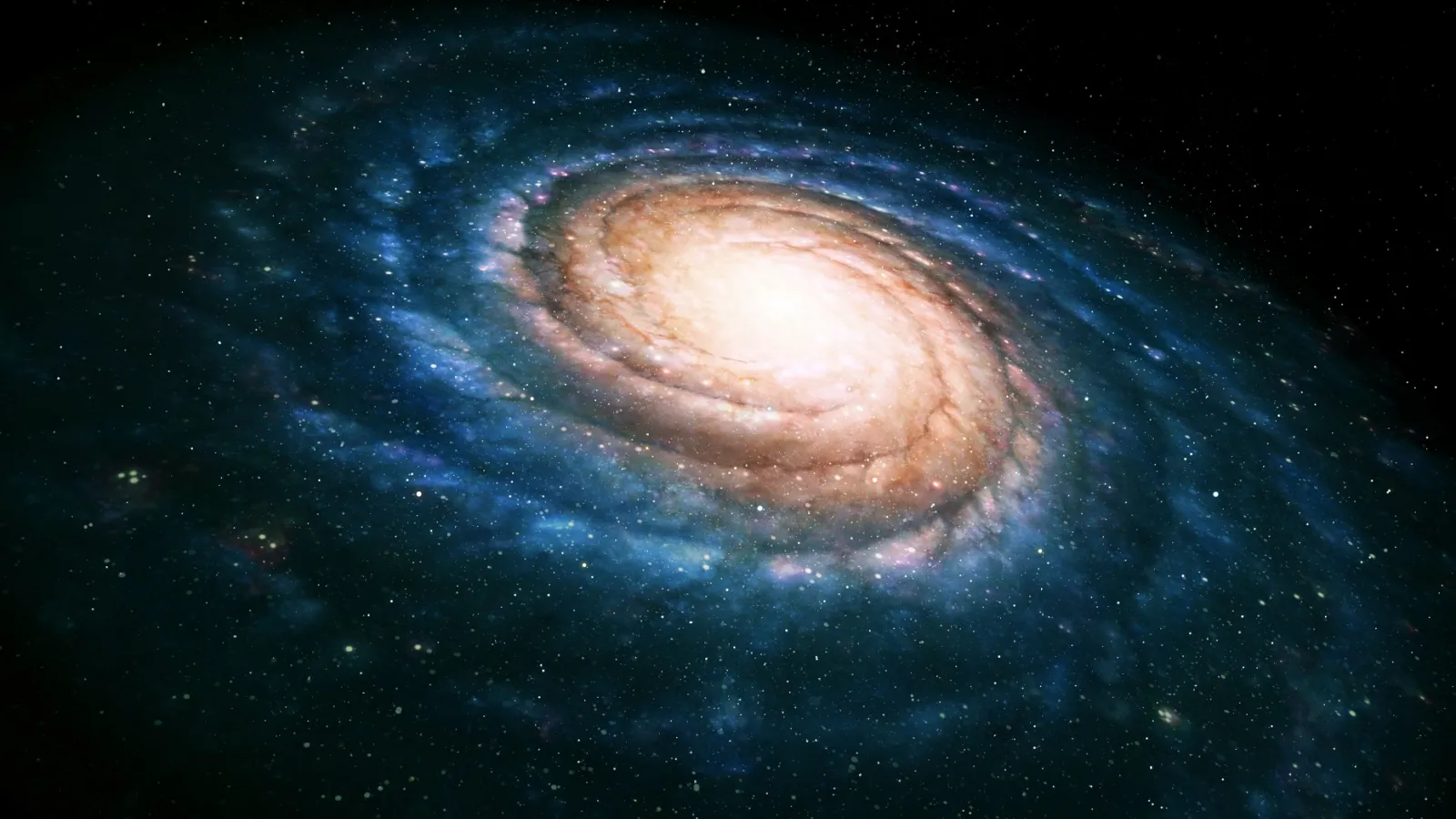
Galactic superwinds – large outflows of gas created by a combination of supernova explosions and stellar winds – are closely connected to a galaxy’s earliest stages of development and evolution,…
CCAPP is proud to announce Cyndia Yu (Stanford) and Maddie Lucey (UT Austin) as the winners of the 2022 Price Prize in Cosmology and Astrophysics!
Cyndia works on novel instrumentation and…
Dustin Nguyen is one of two Buckeyes to be awarded NASA's Future Investigators in NASA Earth and Space Science and Technology (FINESST) Grant for PhD students. There were a total of 927…
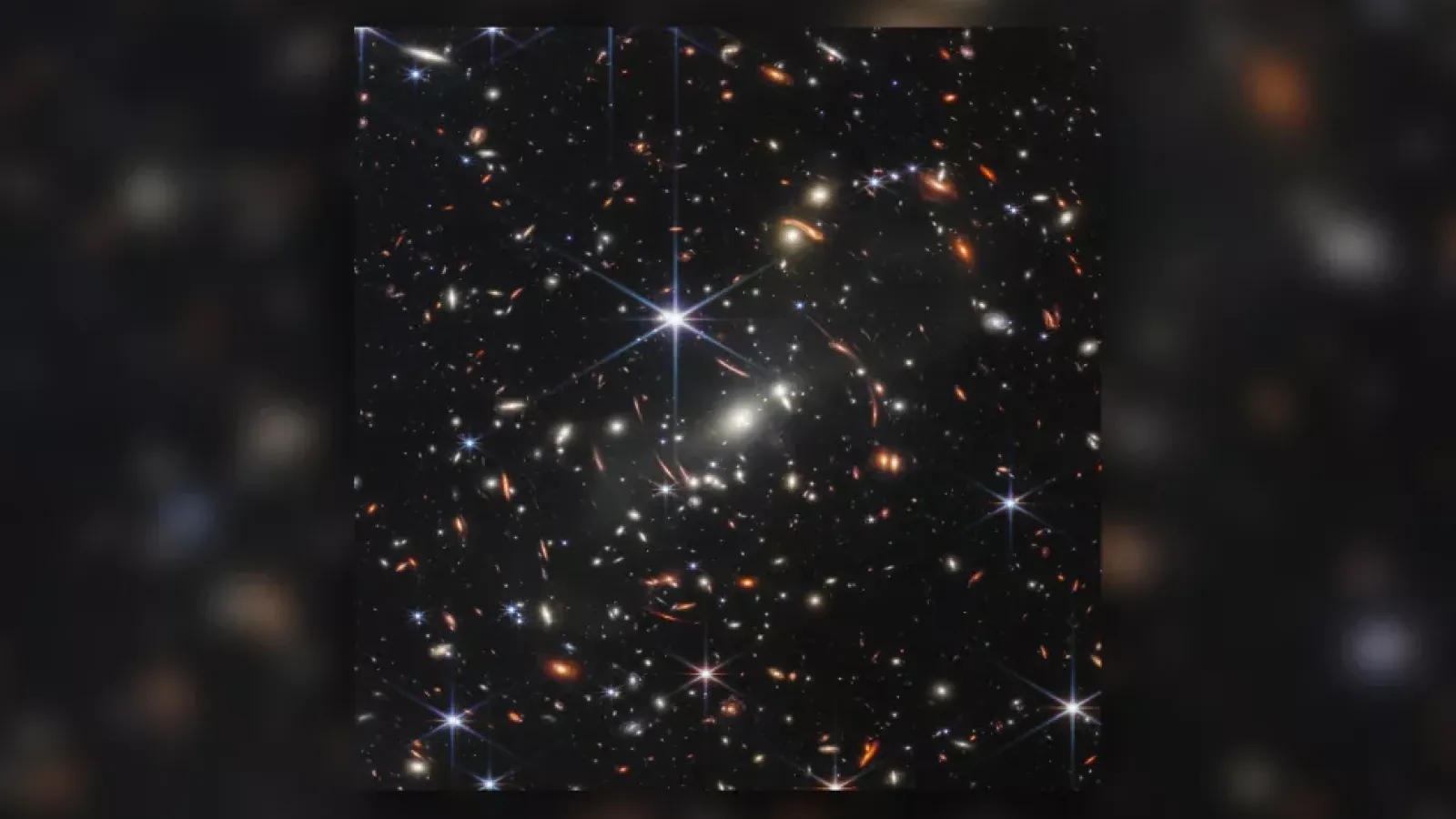
Our jaws are still on the floor after seeing the new images from the James Webb Space Telescope. This image, known as Webb’s First Deep Field, is the highest-resolution image of the early universe…
John Beacom, director of CCAPP, was one of 11 awarded a 2022 Outreach and Engagement Funded Impact Grant for development of SciAccess, Inc., an international non-profit organization dedicated to…
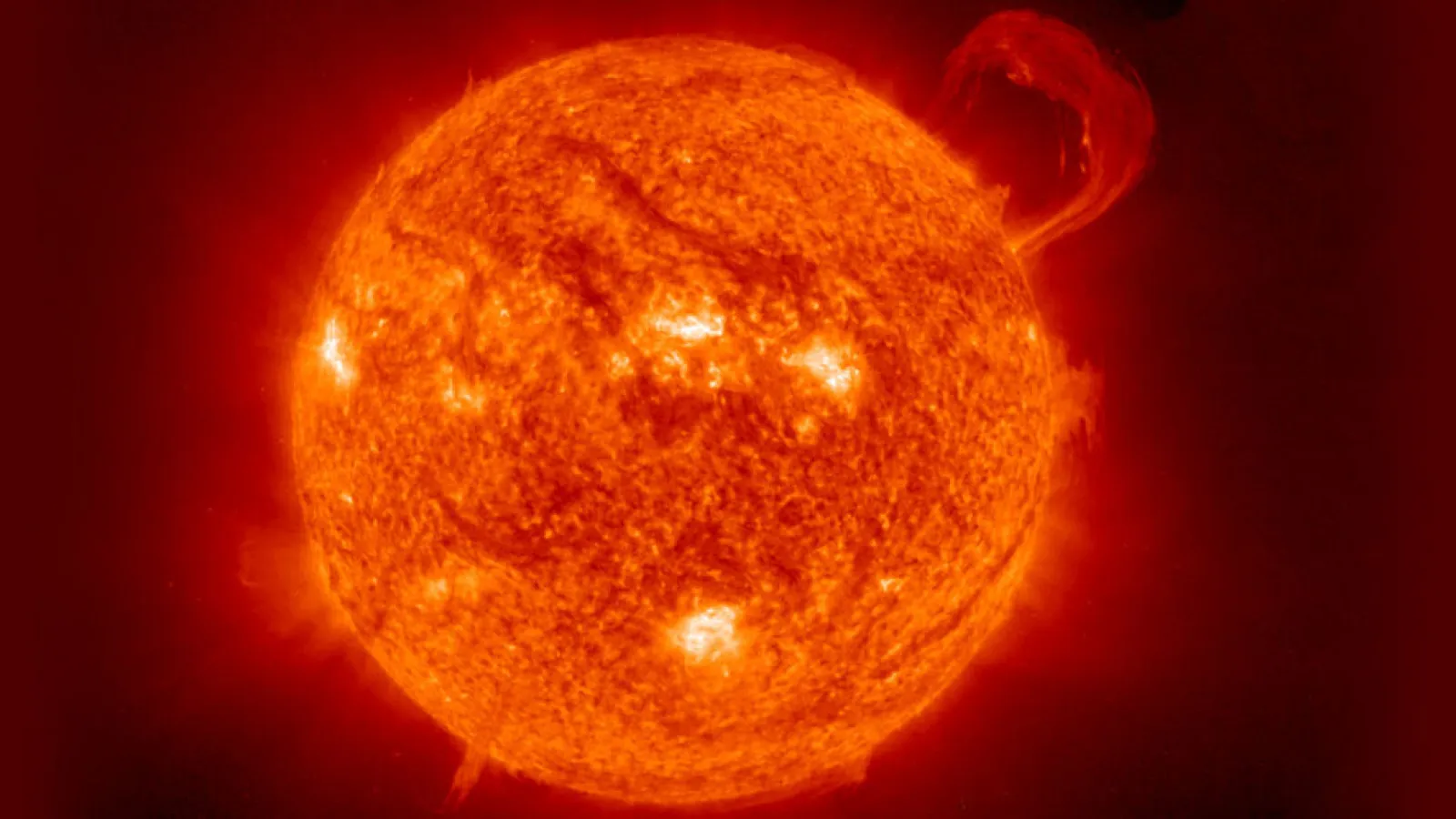
For two decades, scientists have been unable to decide exactly how much heavier elements such as oxygen and carbon — crucial for sustaining life-forms like humans —contribute to the sun’s…
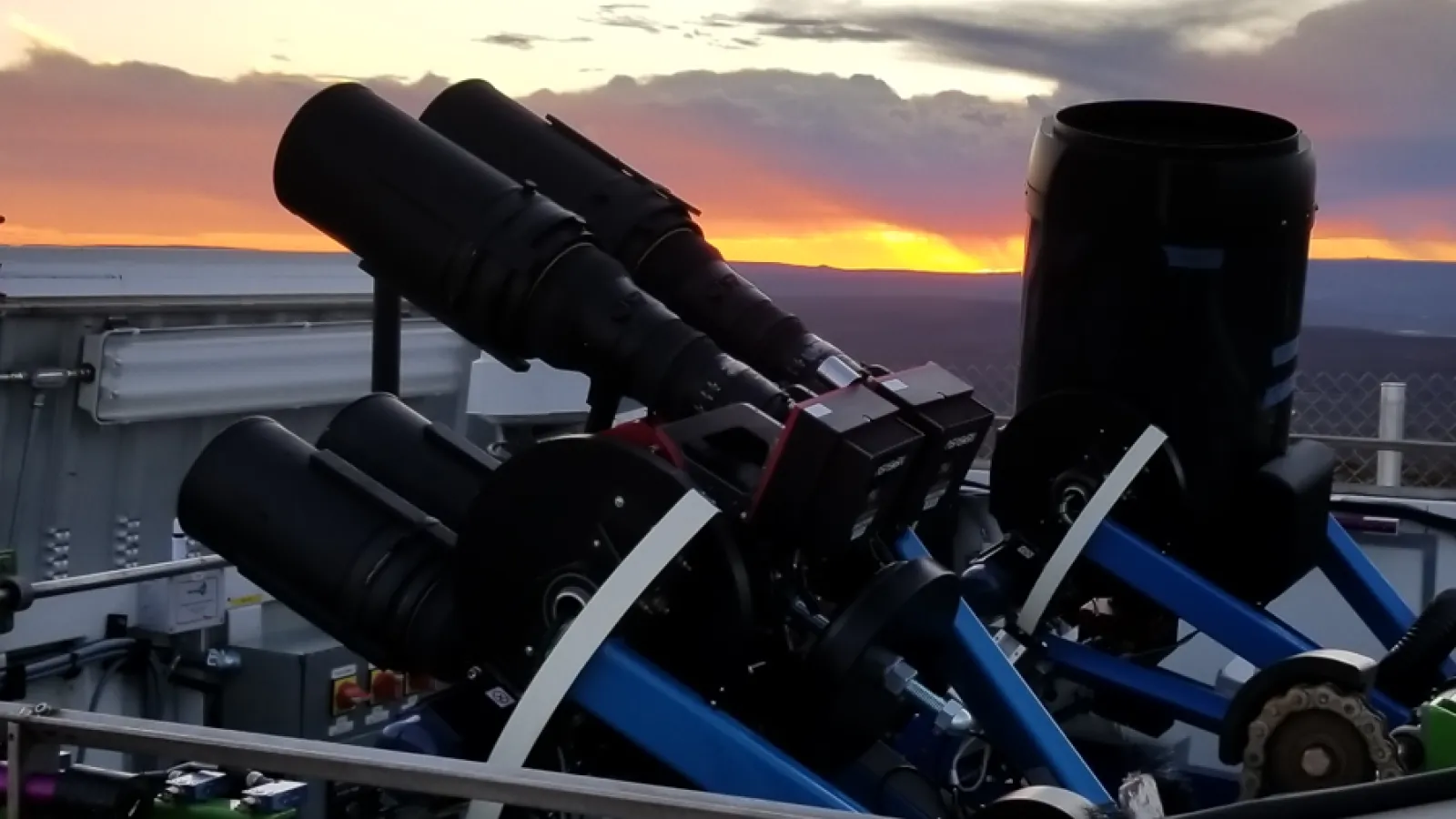
By applying machine-learning techniques to the Ohio State-operated All-Sky Automated Survey for Supernovae (ASAS-SN). ASAS-SN analyst Collin Christy and graduate student of astronomy Tharindu…
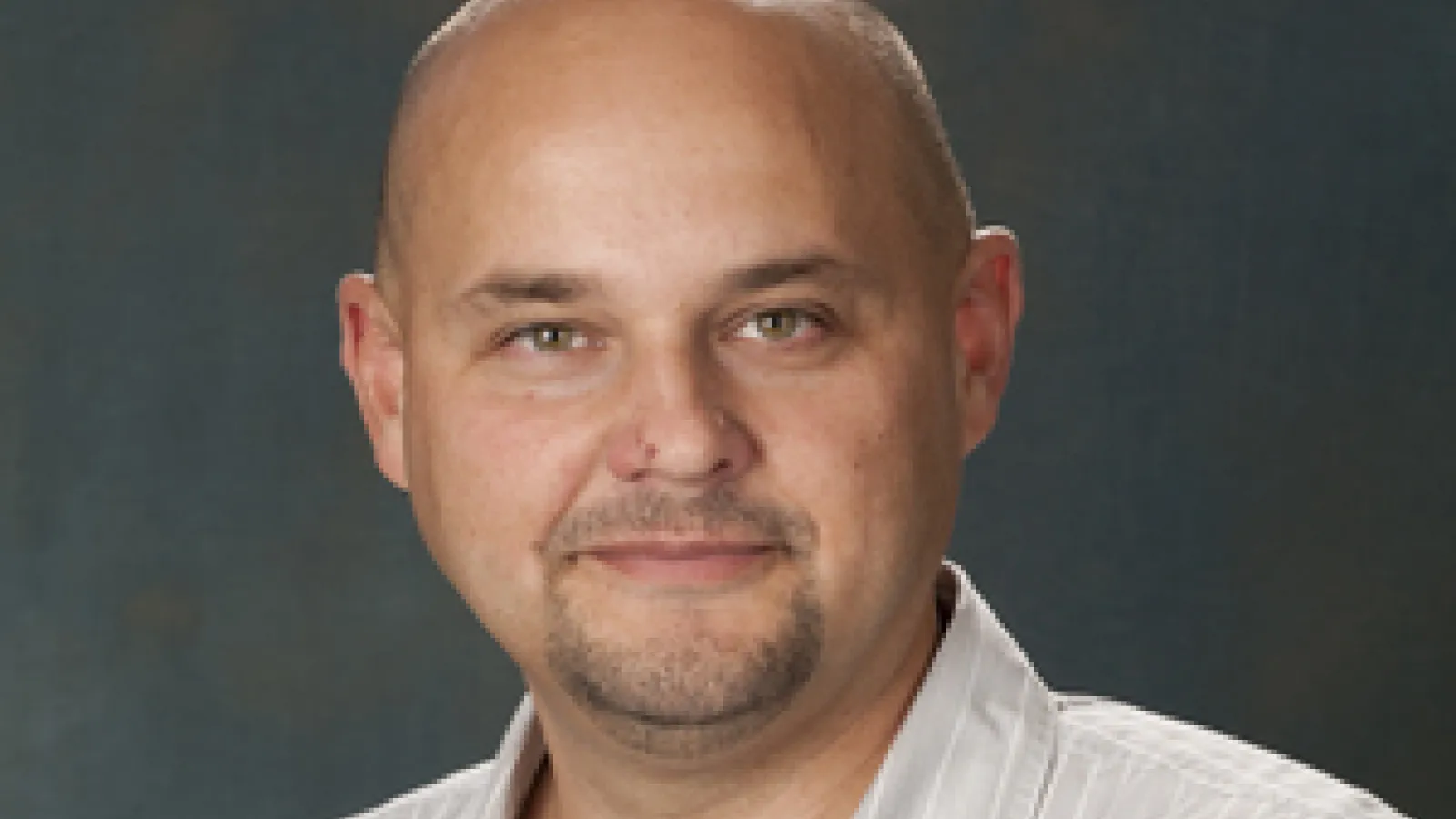
Dr. Krzysztof Z. Stanek, professor of Astronomy, was one of two Ohio State Faculty awarded a Guggenheim Fellowship for 2022. Dr. Stanek was one of the 180 American and Canadian scientists and…
Filled with great stories and highlights about the department over the past two years, the Spring 2022 OSU Physics Magazine has been made available online!
Print versions can be found in the…
Neutrinos — almost-massless subatomic particles — zip through matter all the time. John Beacom, the Henry L. Cox Professor of Physics and Astronomy as well as the director of CCAPP, researches…
Physicist and science communicator Paul M. Sutter has been named recipient of the 2022 James Corones Award in Leadership, Community Building and Communication, for which we congratulate him!
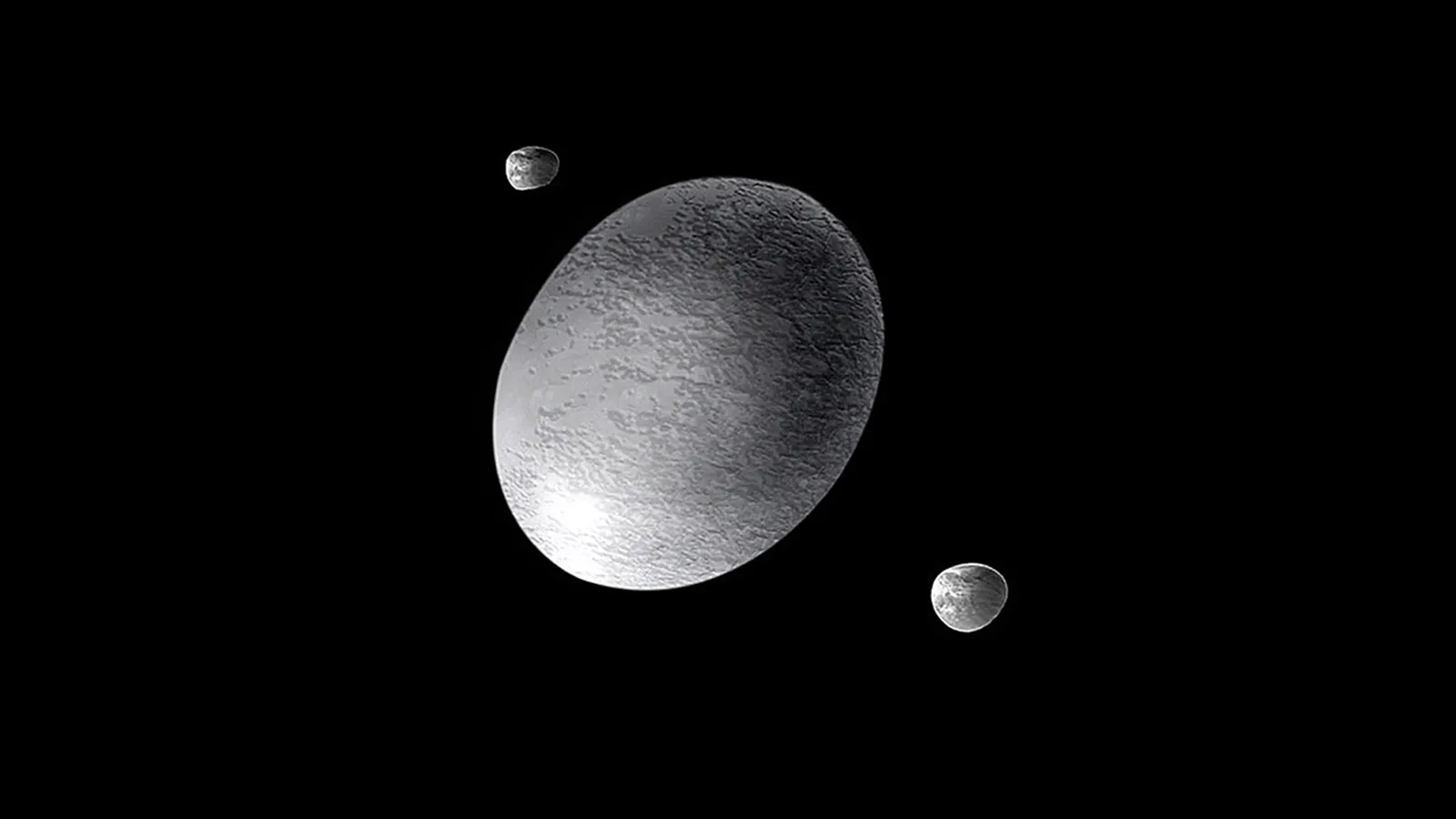
In 2004, astronomers in Hawaii discovered an unknown dwarf planet on the far edges of the solar system. But before they could announce their findings, another team of astronomers announced their…
Krzysztof Stanek, professor and University Distinguished Scholar in the Department of Astronomy received the 2022 Guggenheim Fellowships.
Stanek, whose time at Ohio State…
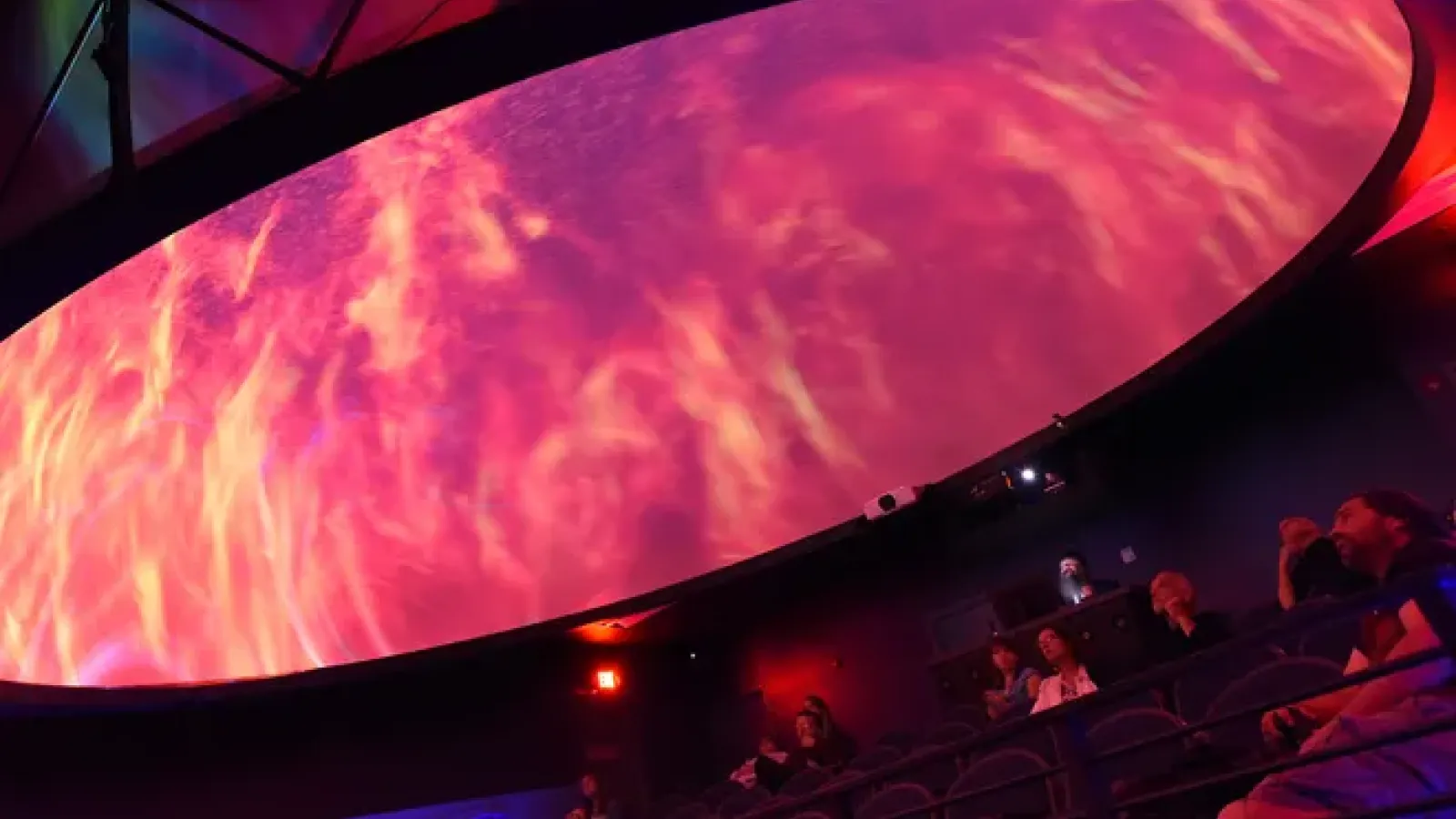
Under the guidance of The Ohio State University at Newark Associate Professor Mike Stamatikos, PhD, Newark’s SciDome — located at The Works: Ohio Center for History, Art & Technology — has…
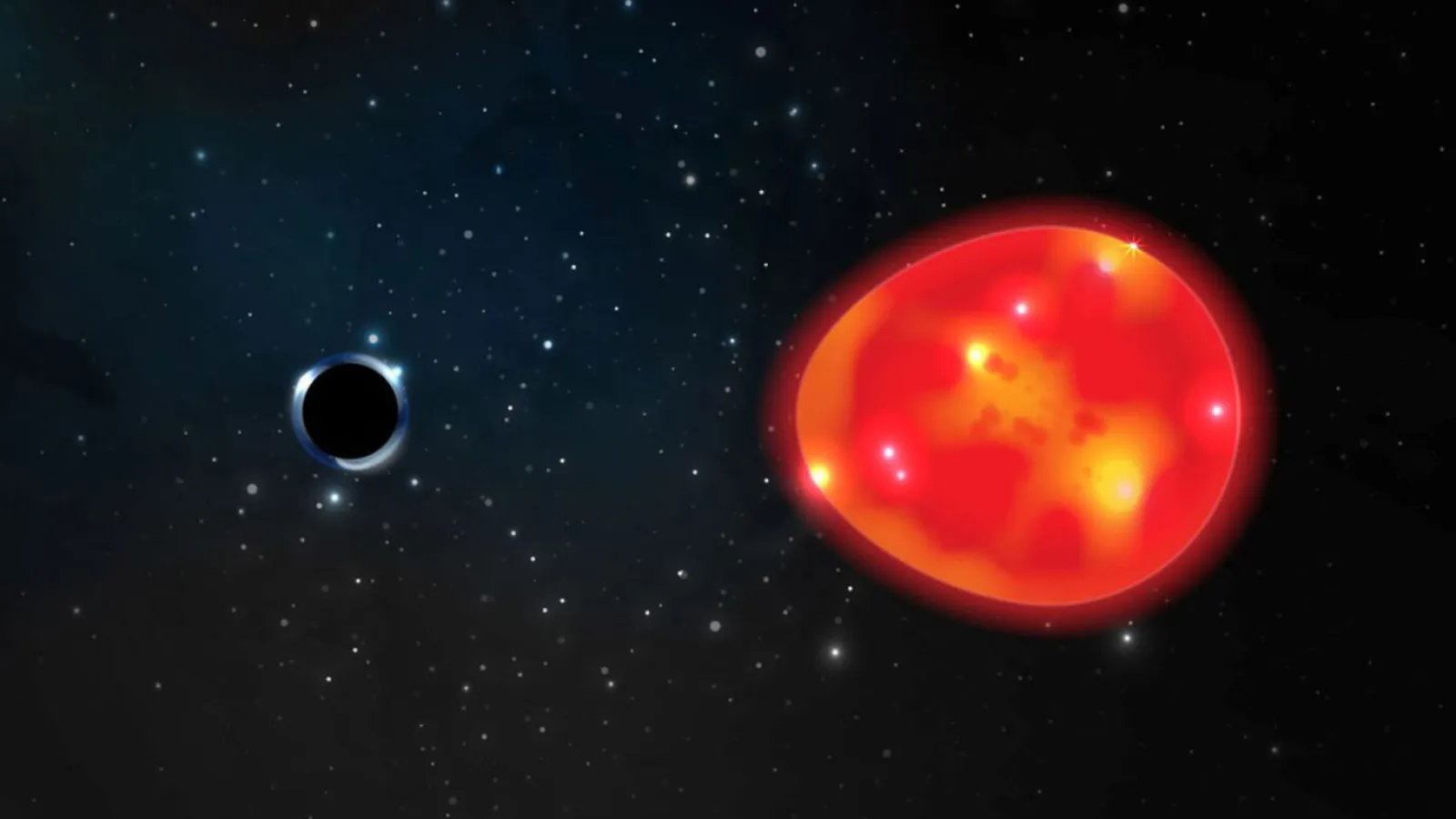
Tharindu Jayasinghe Arachchilage, graduate student in the Department of Astronomy, thought he had discovered two star systems — Unicorn and Giraffe — with invisible black holes. Instead,…
Every spring, the Ohio State Office of Outreach and Engagement honors faculty, staff, students and community partners engaged in scholarship that impacts the community.
Among those honored…
OSU Physics and CCAPP graduate student Dustin Nguyen won 1st place in the Mathematical and Physical Sciences category at the 36th Hayes Forum on Friday, March 4th, 2022. Dustin presented his…
Distinguished Arts and Sciences Professor and CCAPP director John Beacom was one of three College of Arts and Sciences faculty to receive 2022 Distinguished Scholar Awards. Congratulations!
Astronomers have used a new technique to confirm a real-life Tatooine, the fictional planet with two suns that was home to Luke Skywalker in “Star Wars.”
Scientists already knew that the…
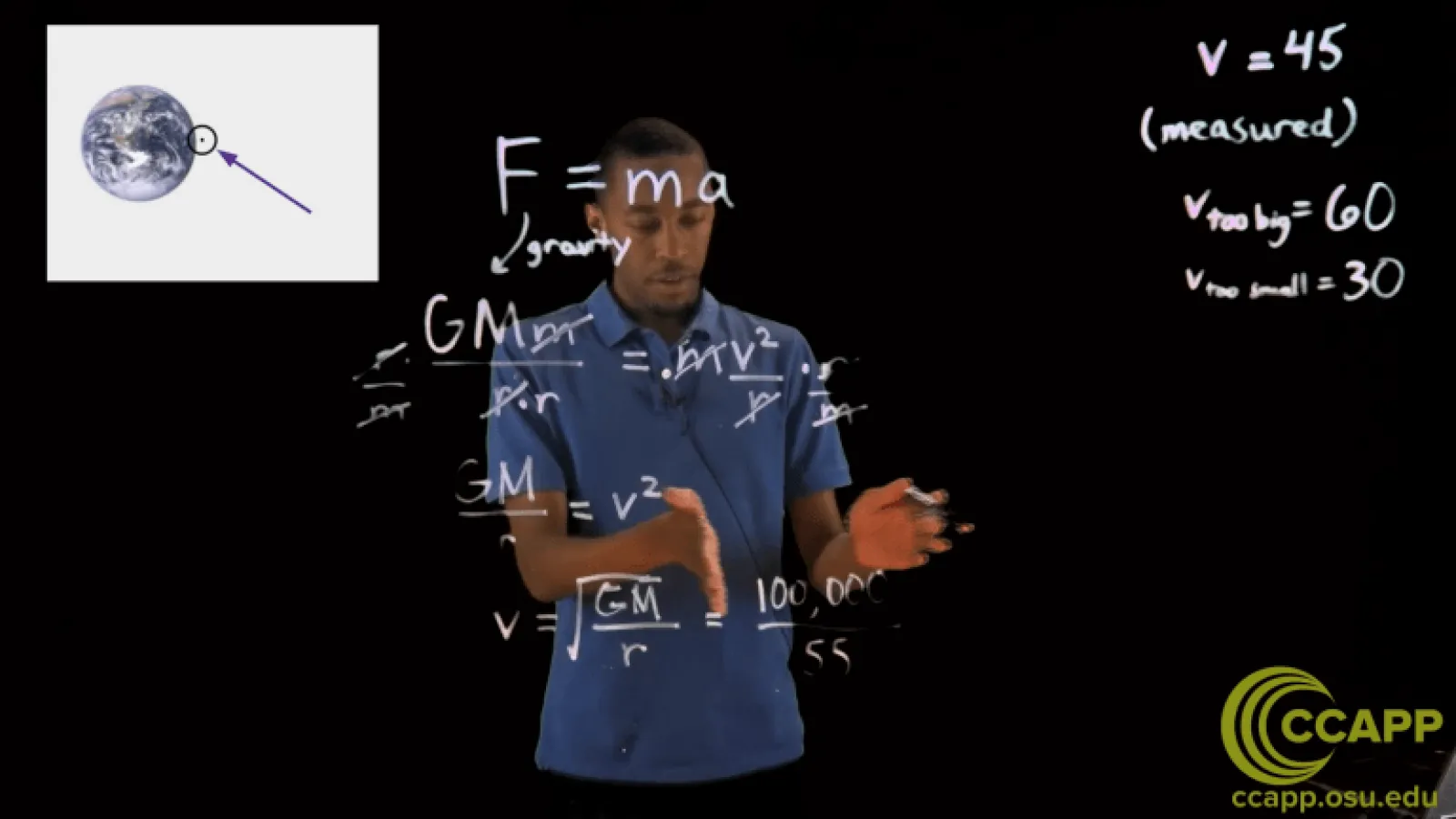
In celebration of Black History month, the STEMcoding Project led by Prof. Chris Orban teamed up with Jahmour Givans from the OSU Center for Cosmology and Astro-Particle Physics (CCAPP) to develop…
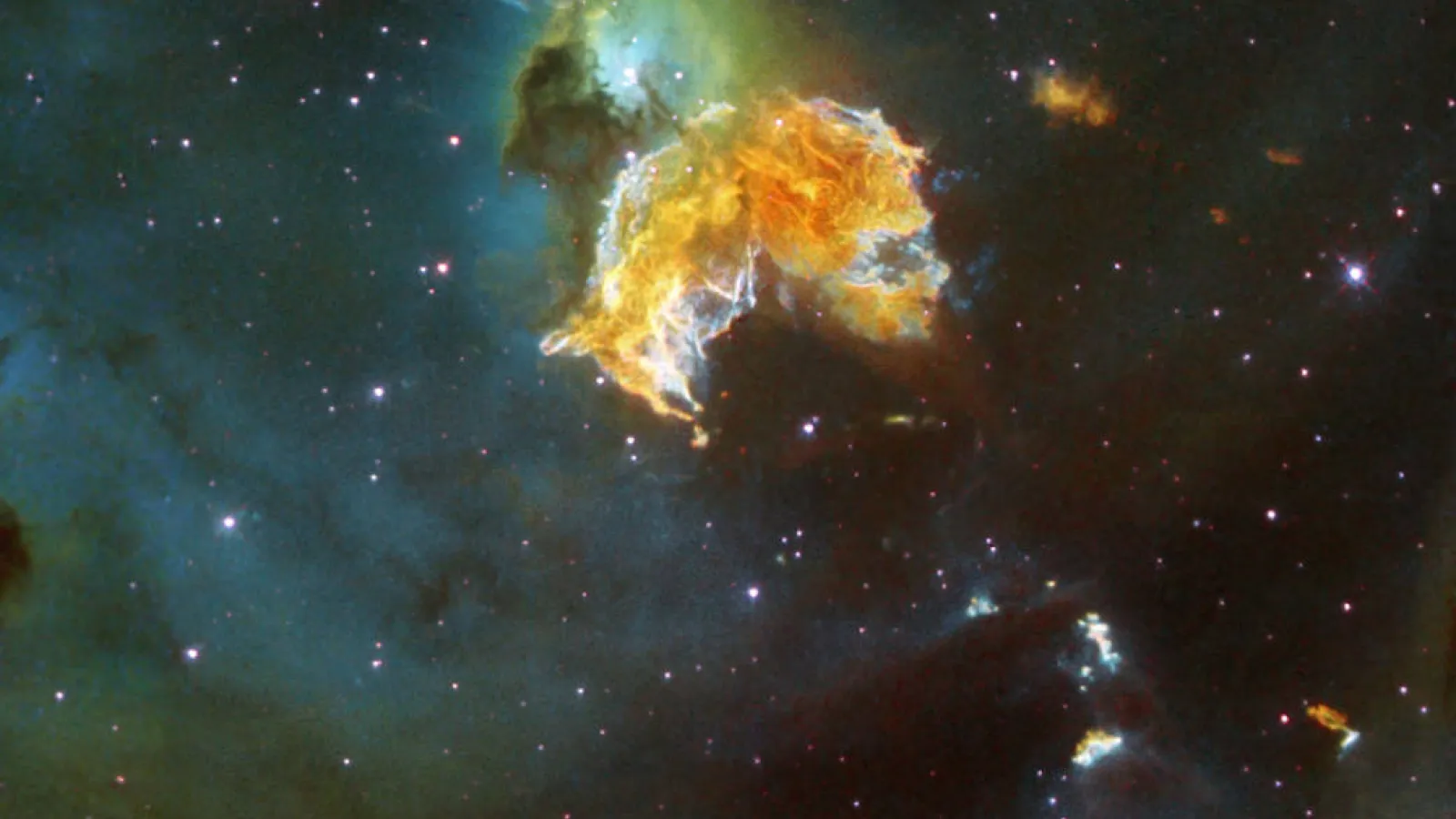
The High Energy Astrophysics Division (also known as HEAD) has announced that it is awarding its 2022 Early Career Prize to Ohio State University's Prof. Laura Lopez.
This prize honors…
In November of 2021, the American Association for the Advancement of Science (AAAS) Council elected 564 Fellows of AAAS, honoring members whose efforts on the advancement of science distinguished…
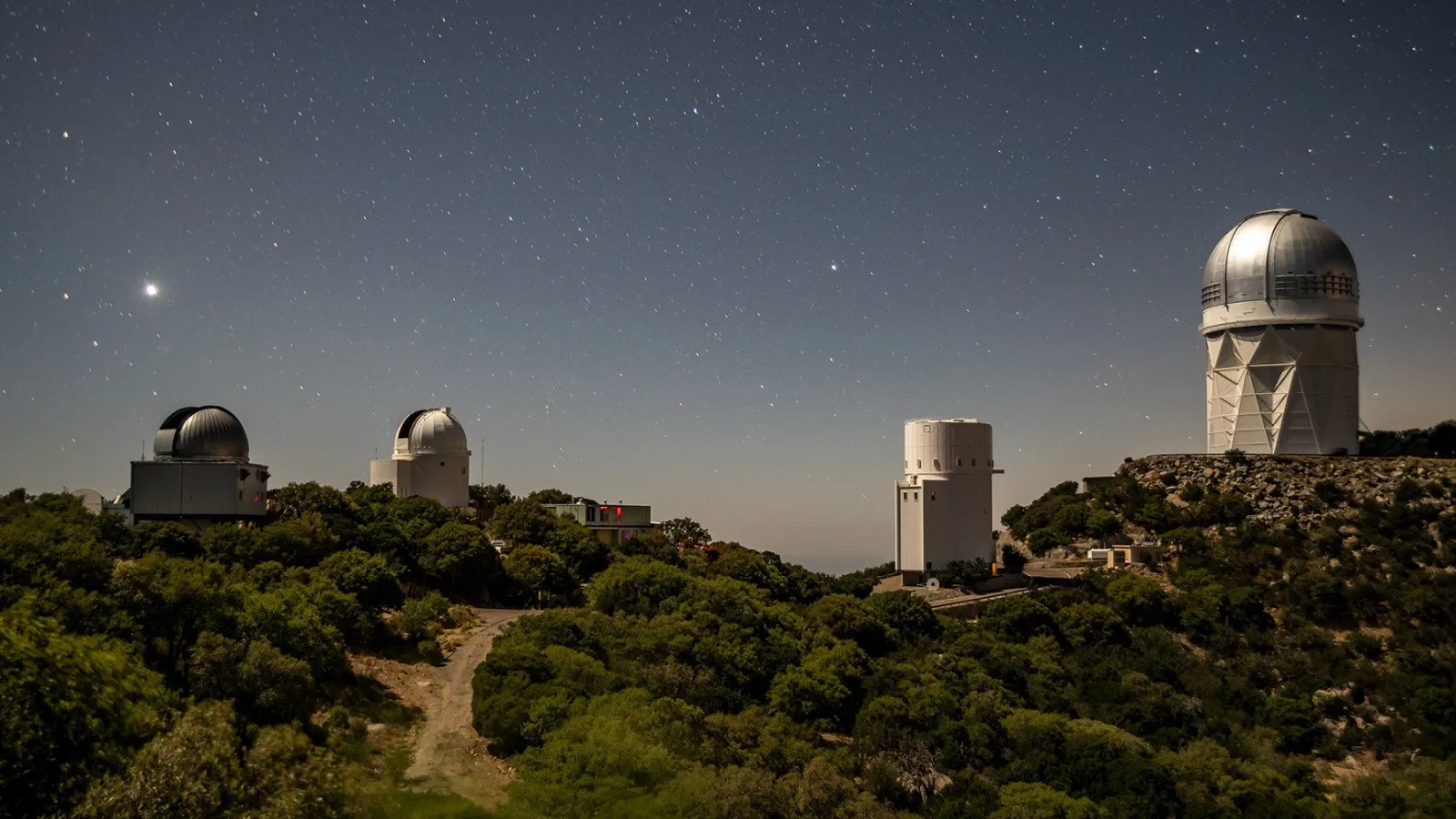
Though it’s only about 10% through its five-year mission, the Dark Energy Spectroscopic Instrument (DESI) has capped off the first seven months of its survey run by smashing through all previous…
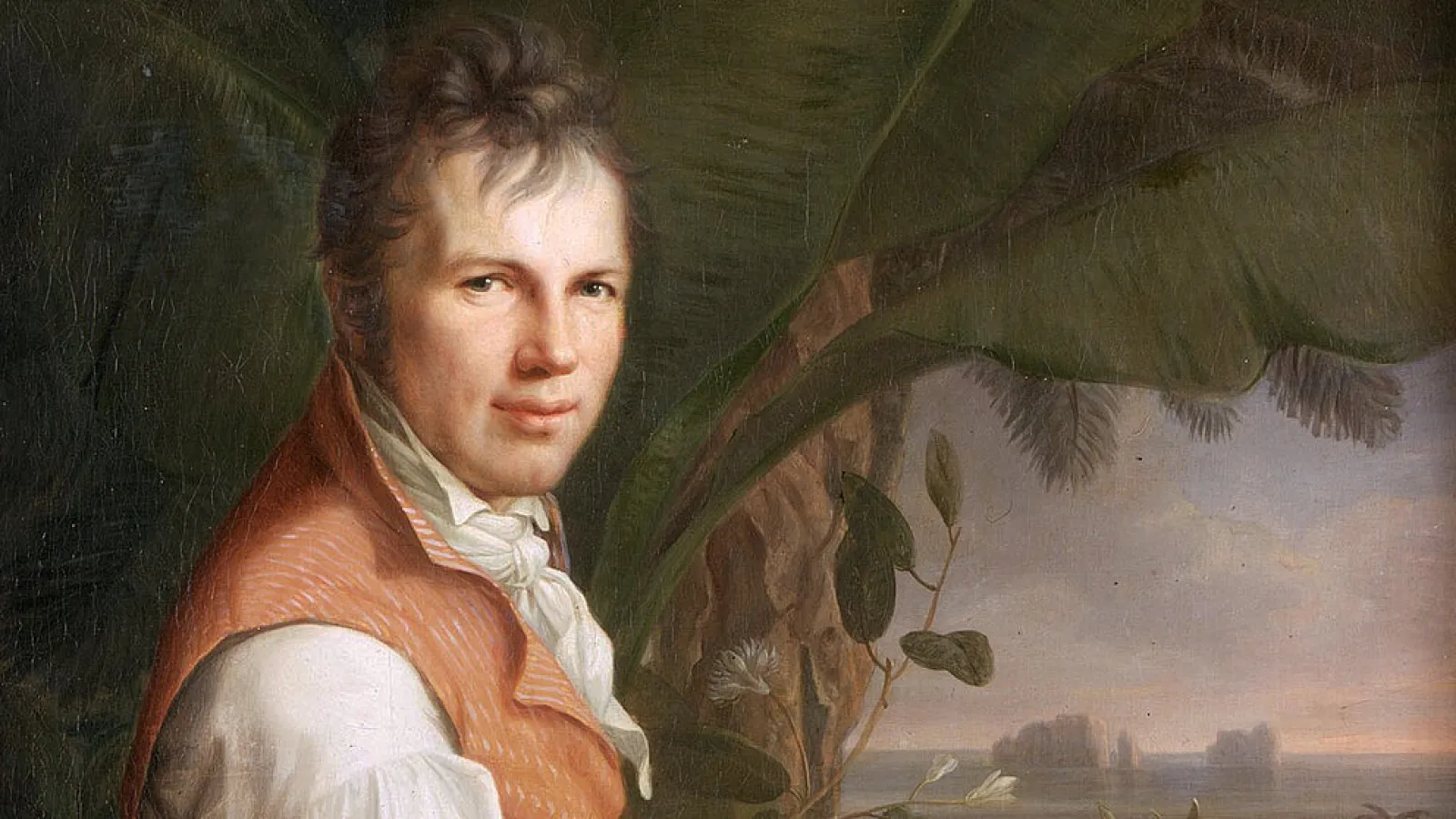
The Alexander von Humboldt Foundation has awarded the Humboldt Research Award to Adam Leroy, an associate professor in the Department of Astronomy who uses multi-wavelength…
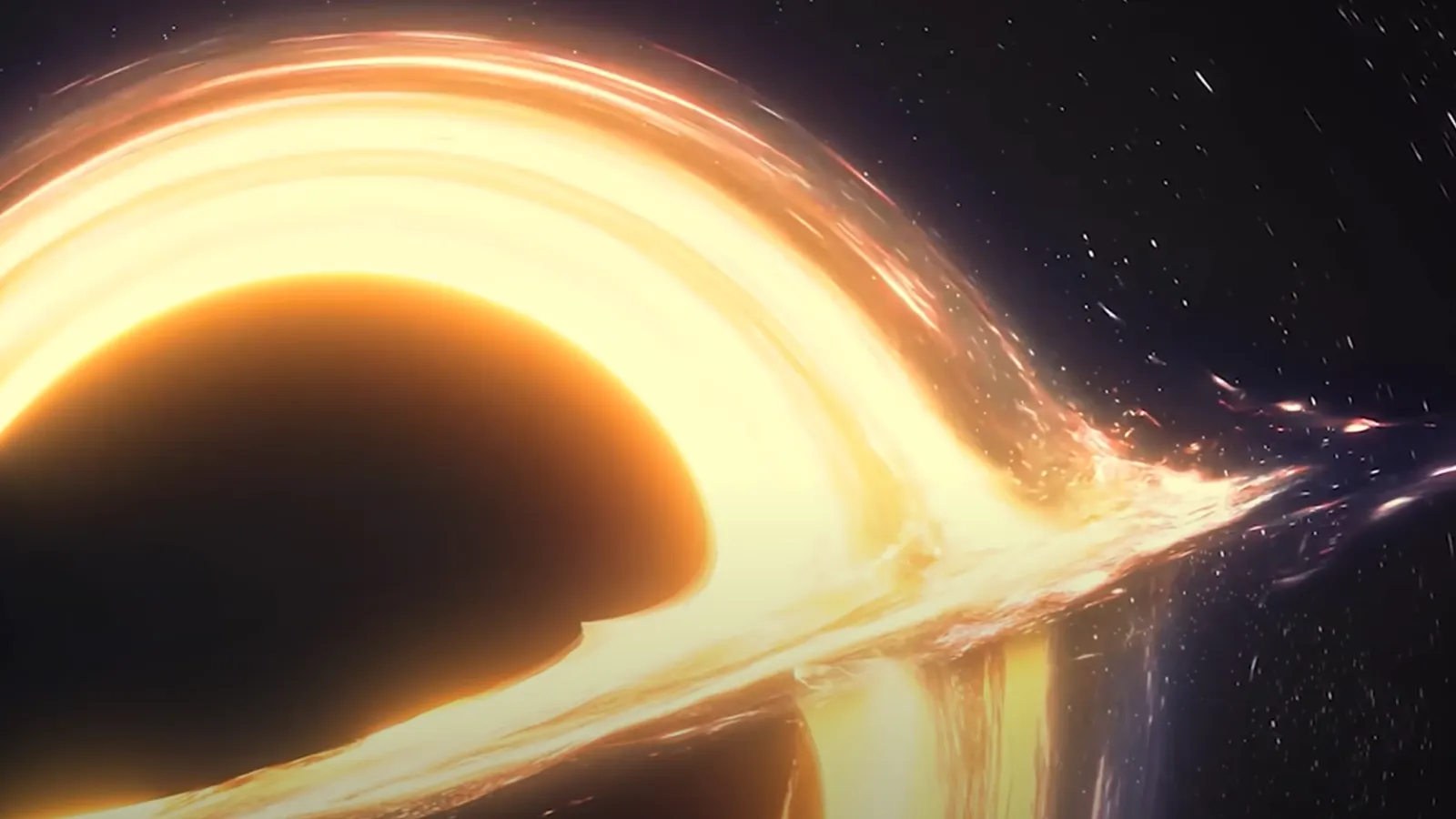
A PBS Space Time segment featuring Samir Mathur, a professor in the Department of Physics, examines how string theory could be the key to solving the paradoxical existence of black holes.
David Weinberg, Distinguished University Professor and Chair of the Department of Astronomy, was named in Clarivate's 2021 list of Highly Cited Researchers. This recognition is due to the fact…
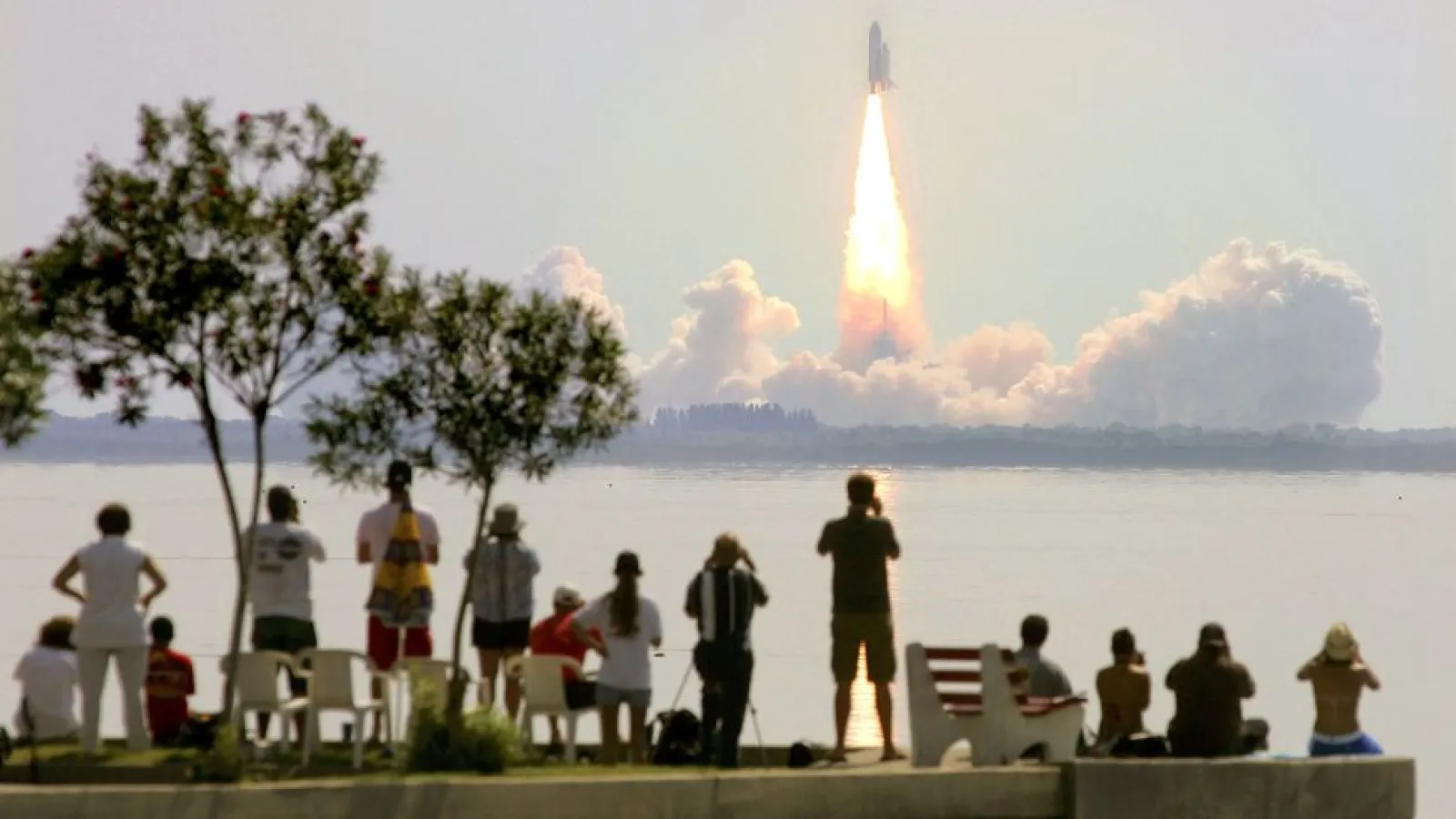
Time dilation, the theory that time passes differently for different observers, affects many aspects of our lives that we don’t realize. Distinguished Professor of Astronomy Richard Pogge says GPS…
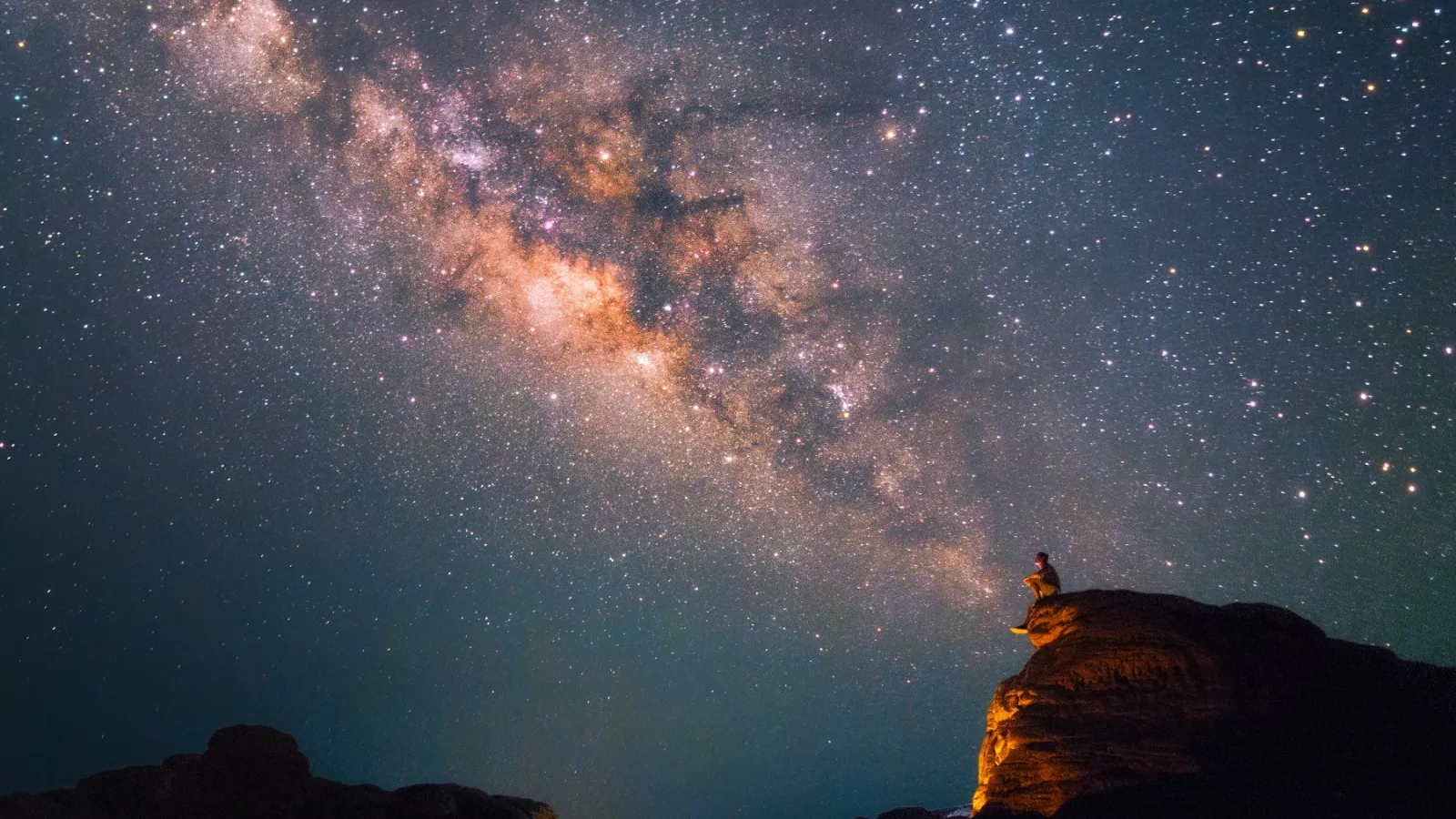
By examining data from the Ohio State-run All-Sky Automated Survey for Supernovae (ASAS-SN), volunteer citizen scientists around the world identified 10,000 new variable stars, discoveries that…
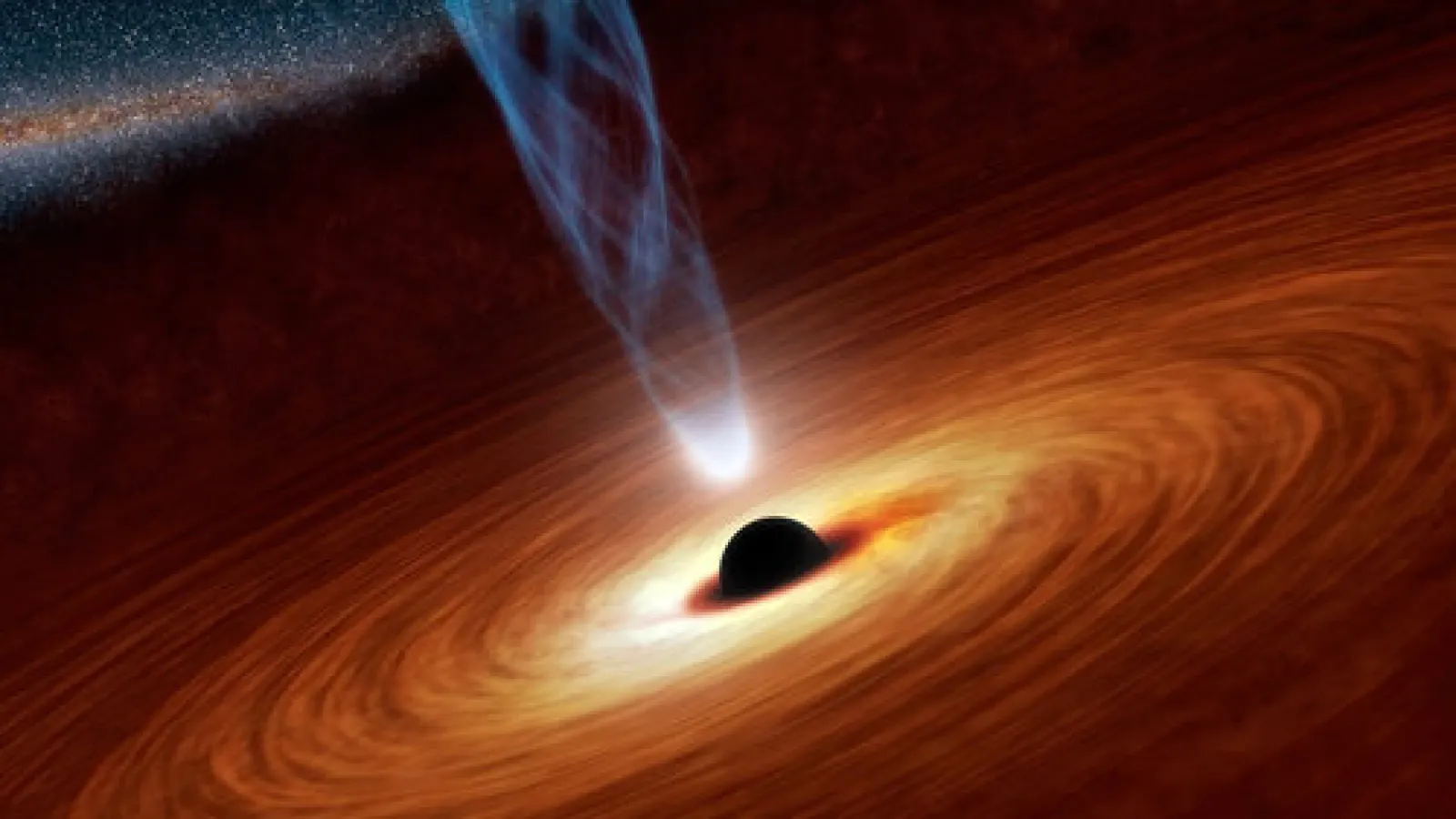
On November 6th, join the Central Ohio Symphony and CCAPP Paul Sutter in Delaware, Ohio for Into the Void: A Journey into a Black Hole for Orchestra and an Astrophysicist. This concert…
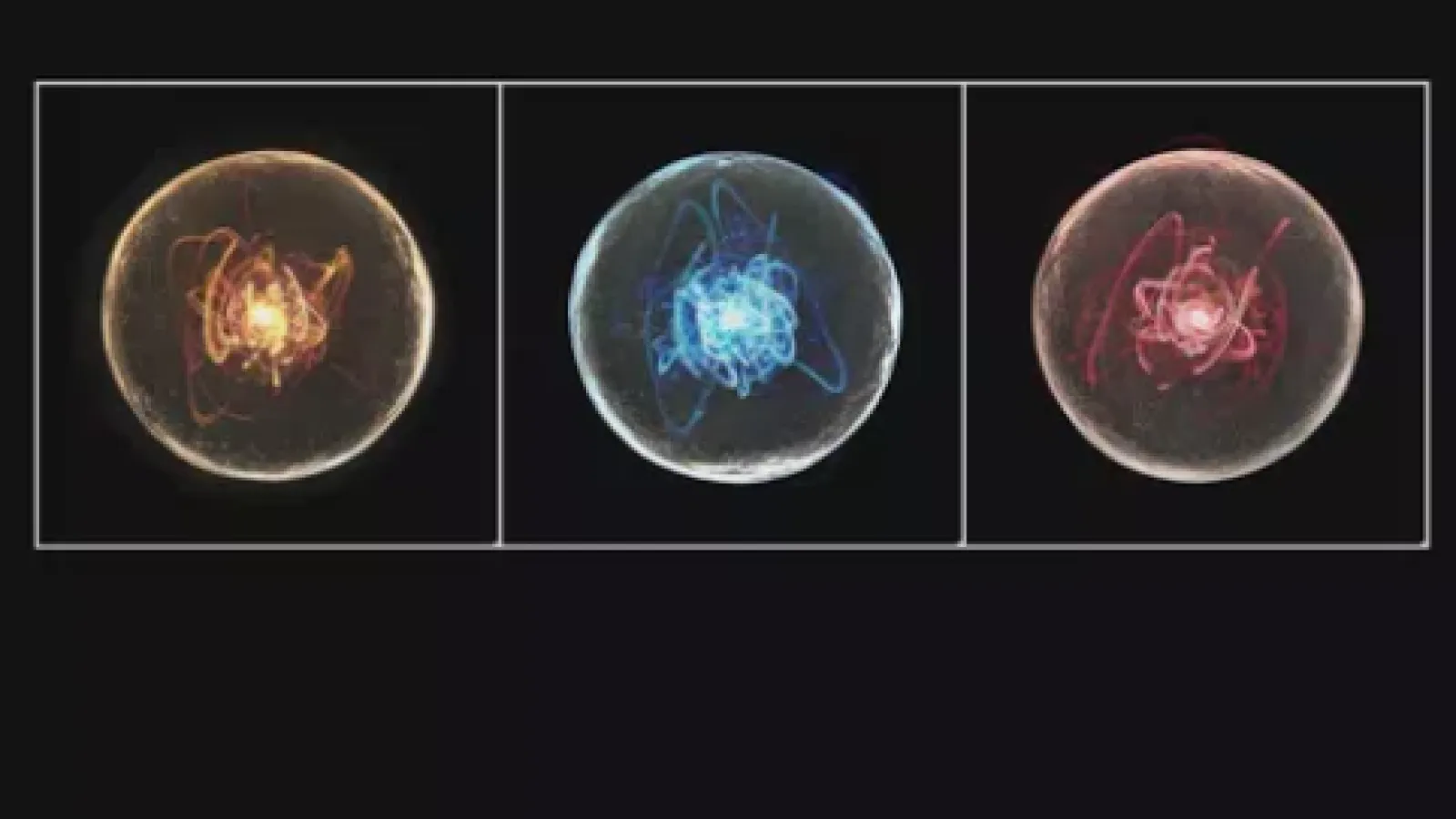
Michael Stamatikos, PhD, is part of the collaboration for the IceCube Neutrino Observatory, a massive astroparticle physics experiment located at the South Pole. Stamatikos' work will be featured…
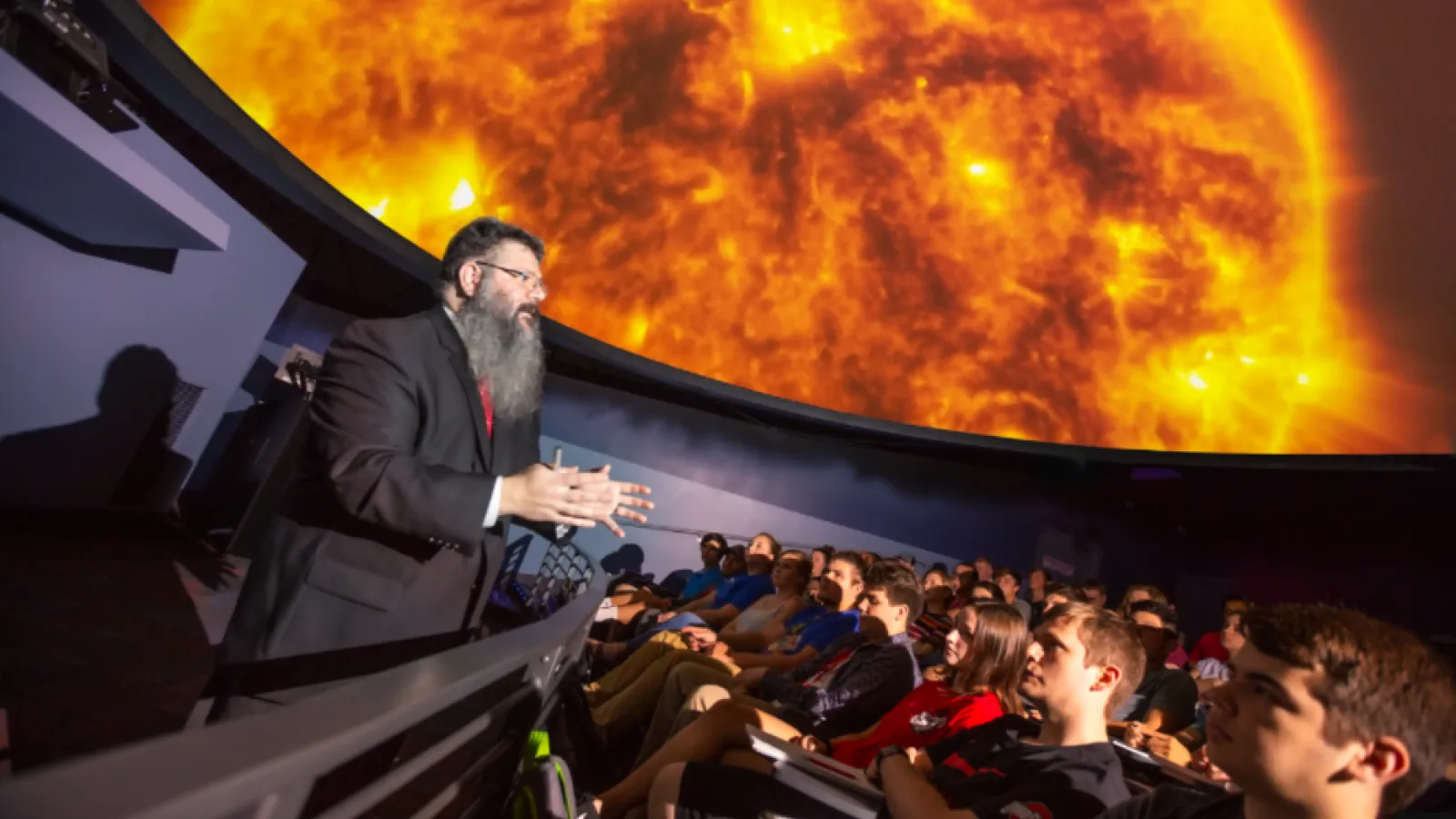
Engaged Scholars is a monthly series highlighting Ohio State faculty who have made an impact in our communities through their community-engaged research and teaching. Photo:…
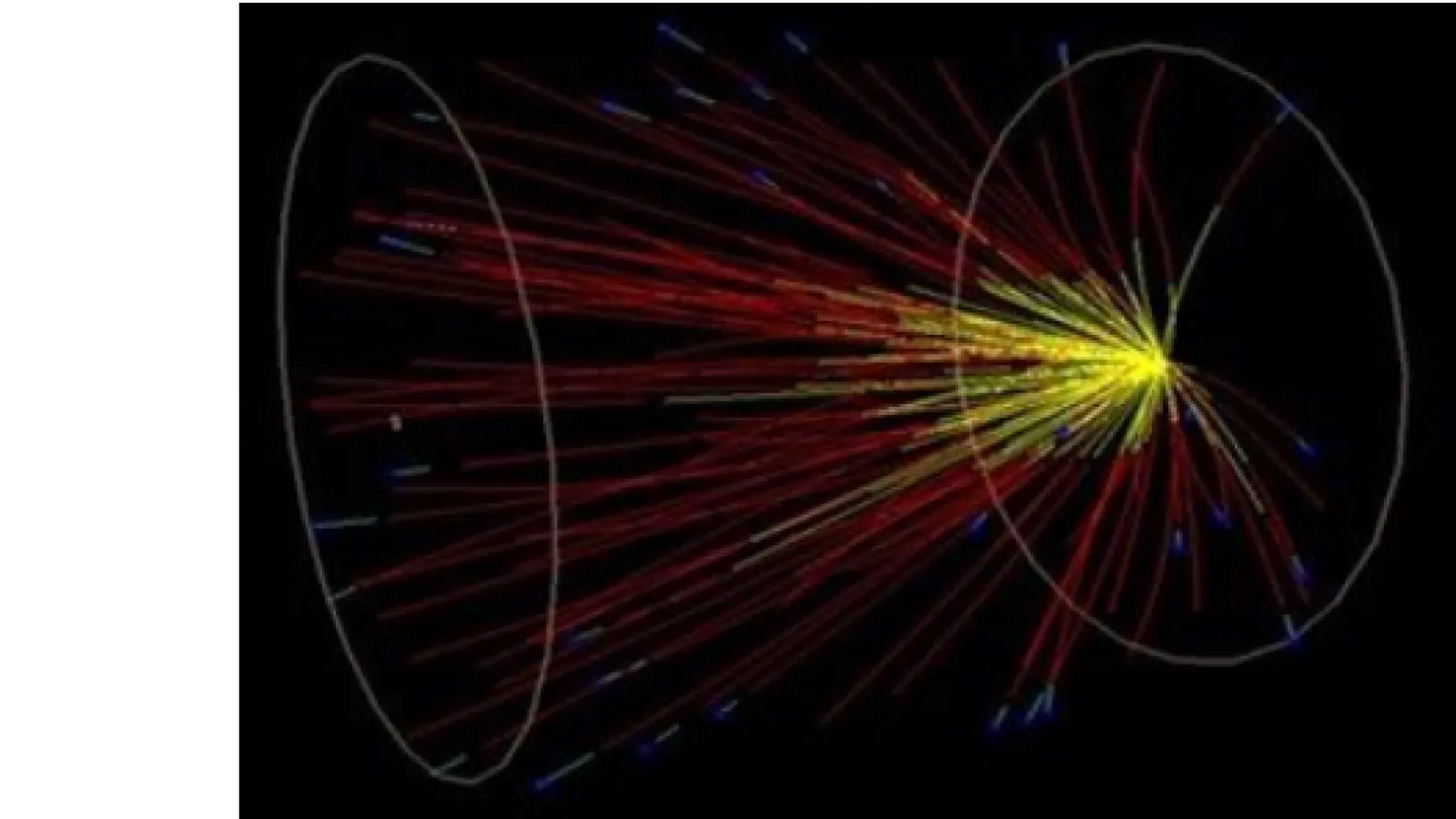
New evidence suggests protons and neutrons go through a “first-order” phase transition — a kind of stop-and-go change in temperature — when they “melt.” This is similar to how ice melts: energy…
Michael Stamatikos, PhD, is part of the collaboration for the IceCube Neutrino Observatory, a massive astroparticle physics experiment located at the South Pole. Their work is featured in two…
CCAPP is proud to announce Erin Kado-Fong (Princeton) and Kaeli Hughes (Chicago) as the winners of the 2021 Price Prize in Cosmology and Astrophysics!
Erin’s research focuses on…
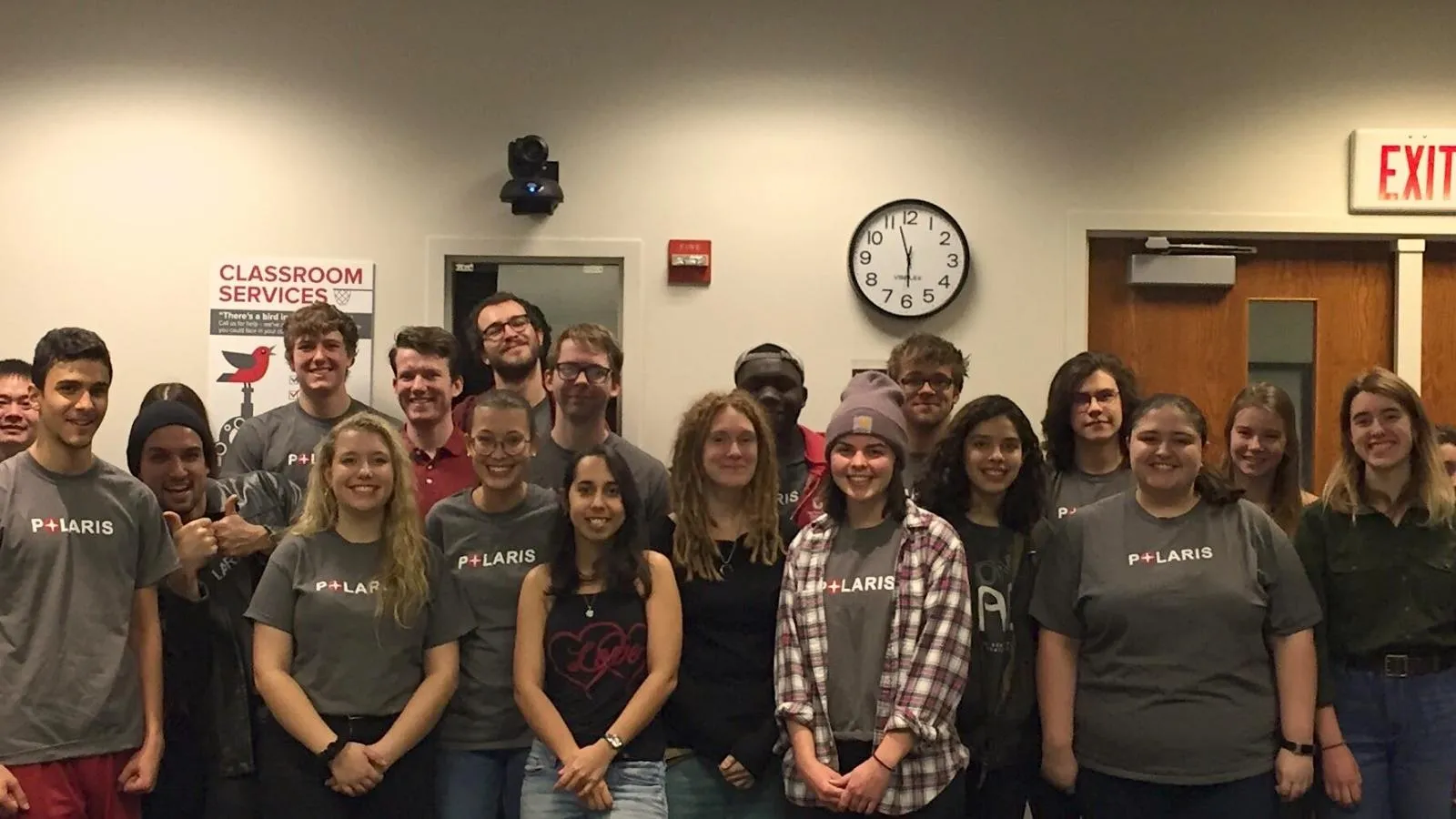
This year, the OSU Physics Department launched an award for Exceptional Mentoring to recognize students and post-doctorates who have gone above and beyond in mentoring students in the physics…
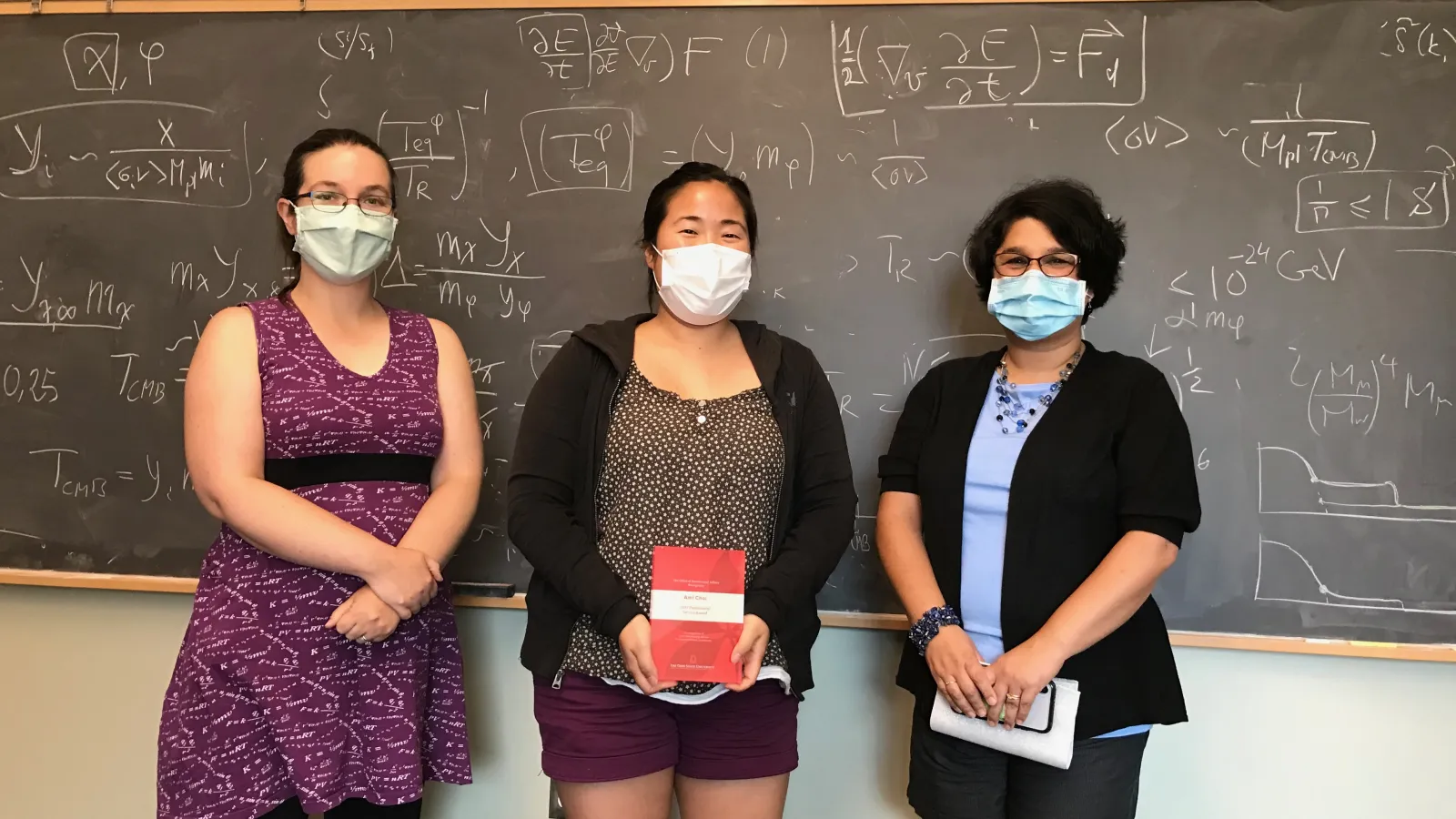
CCAPP Fellow Ami Choi was surprised today in the Cosmology Lunch group meeting by Marcela Hernandez, Administrative Director of the Office of Postdoctoral Affairs, who came to announce that Ami…
Tharindu Jayasinghe, a doctoral astronomy student, and Todd Thompson, interim chair and professor of astronomy, join Cincinnati Public Radio to discuss how their recent discovery of a black hole…
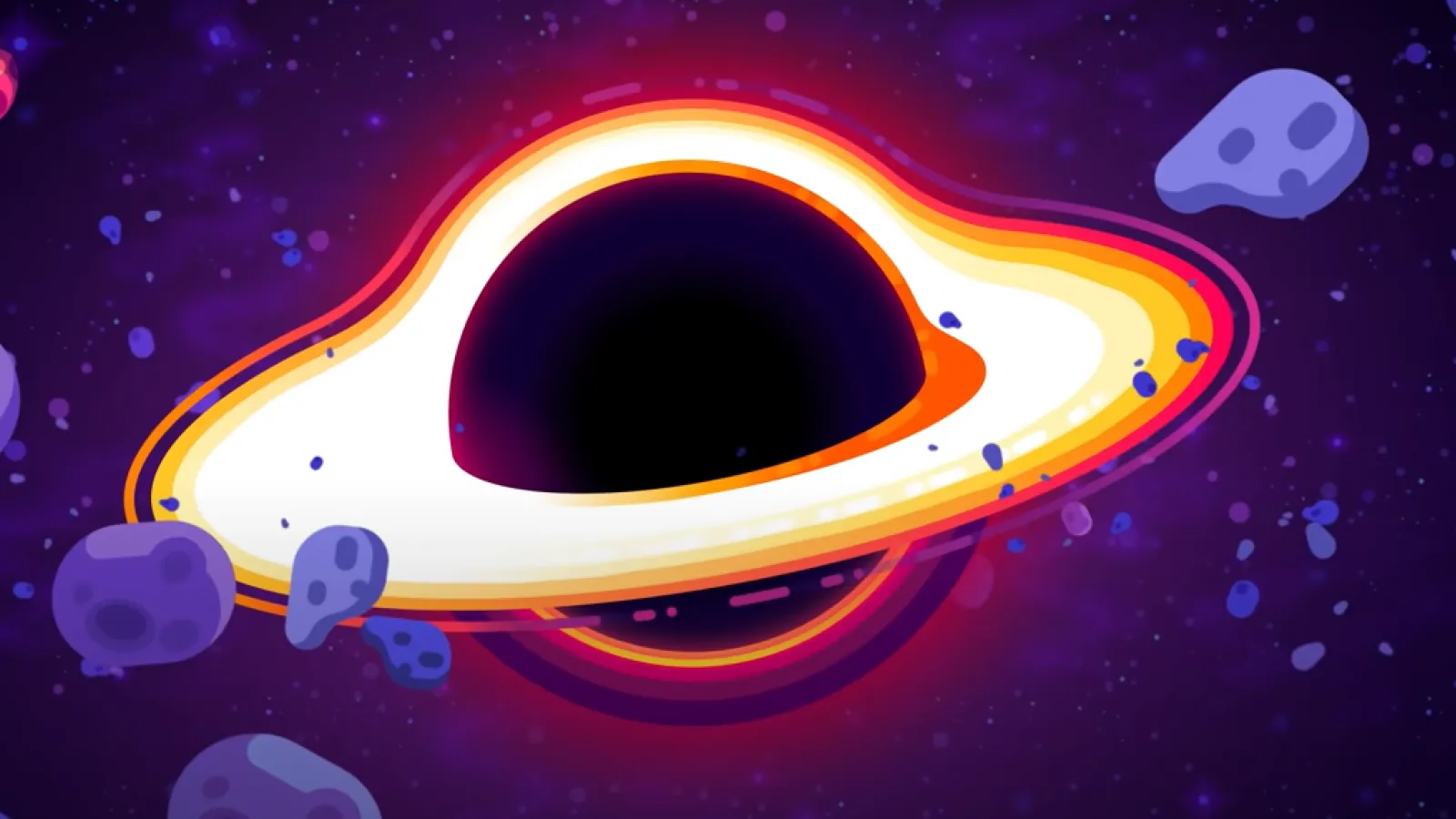
In its video comparing the sizes of black holes, the popular science YouTube channel “Kurzgesagt — In a Nutshell” featured the recently discovered black hole “The Unicorn,” detected by a team of…
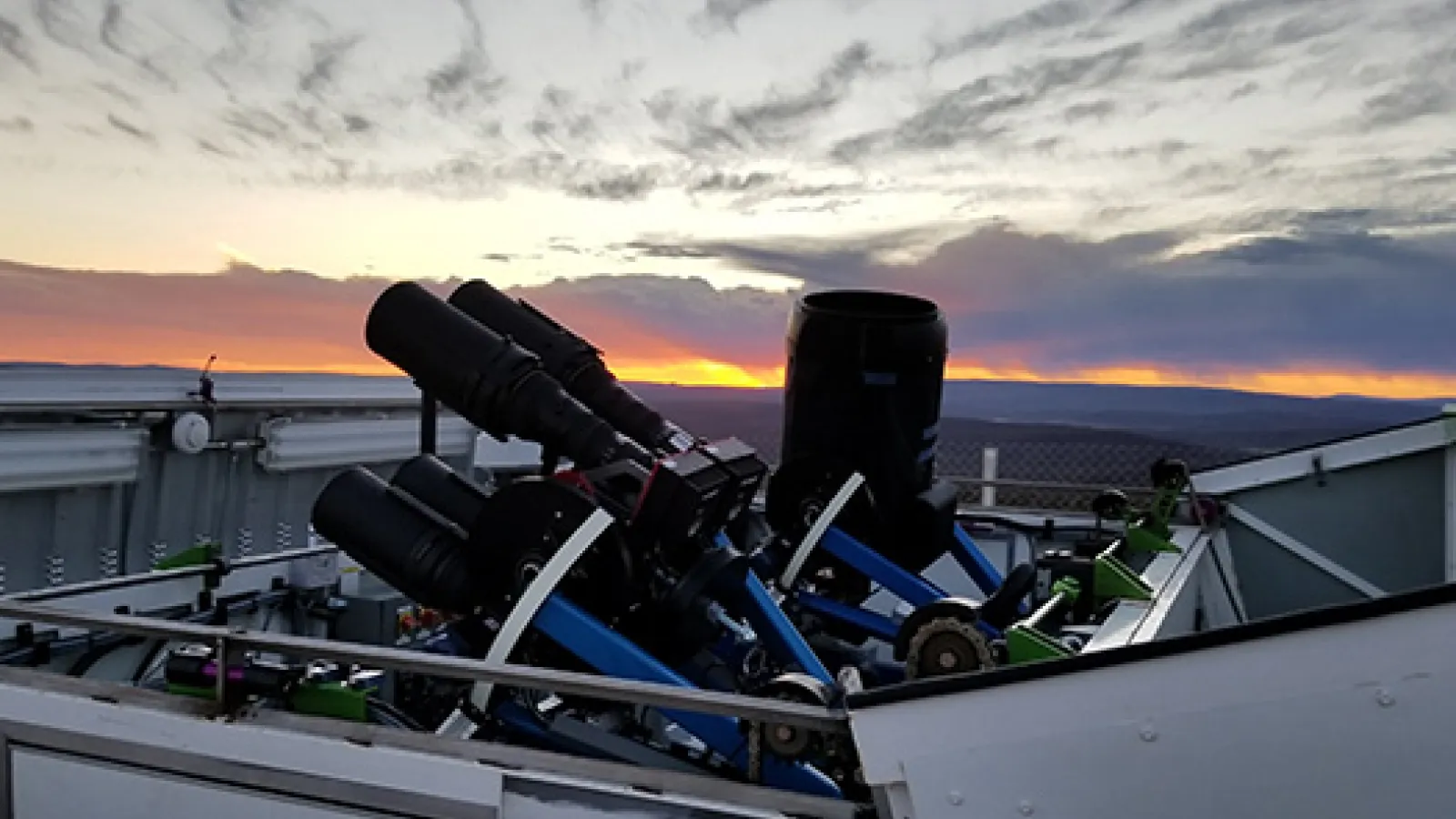
The All-Sky Automated Survey for Supernovae (ASAS-SN), an Ohio State-led automated telescope network that observes the entire sky every night, recently received a combined $3 million in funding,…
The College of Arts and Sciences is thrilled to announce its 2021 Distinguished Professor Awards. This award serves to honor full professor colleagues who have excelled in teaching, service and…
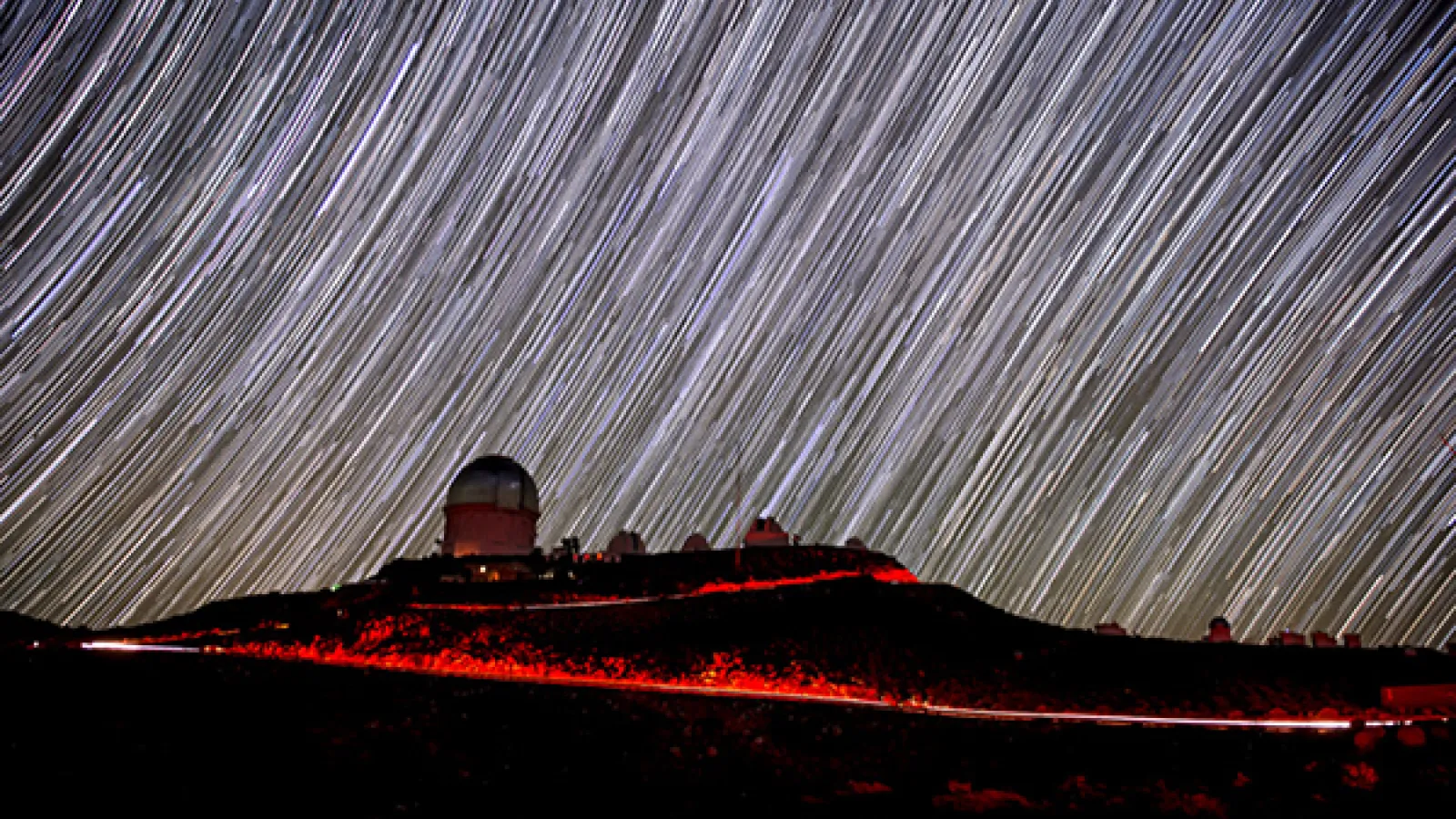
Ohio State’s Center for Cosmology and Astroparticle Physics (CCAPP) is currently home to three postdoctoral fellows who were involved heavily in the DES project — Ami Choi, …
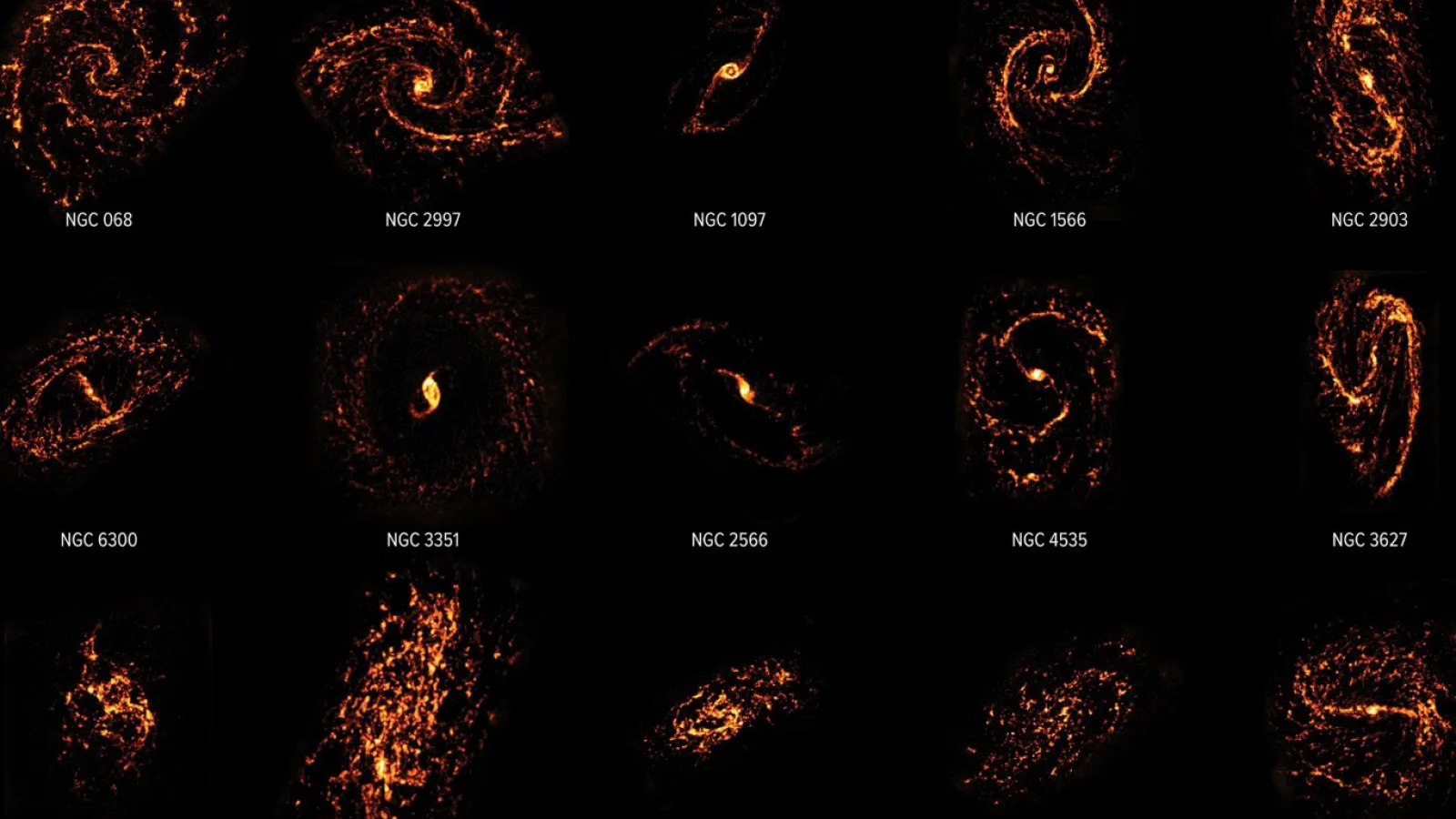
Astronomers have taken a big step forward in understanding the dark and violent places where stars are born.
“Every star in the sky, including our own sun, was born in one of these stellar…
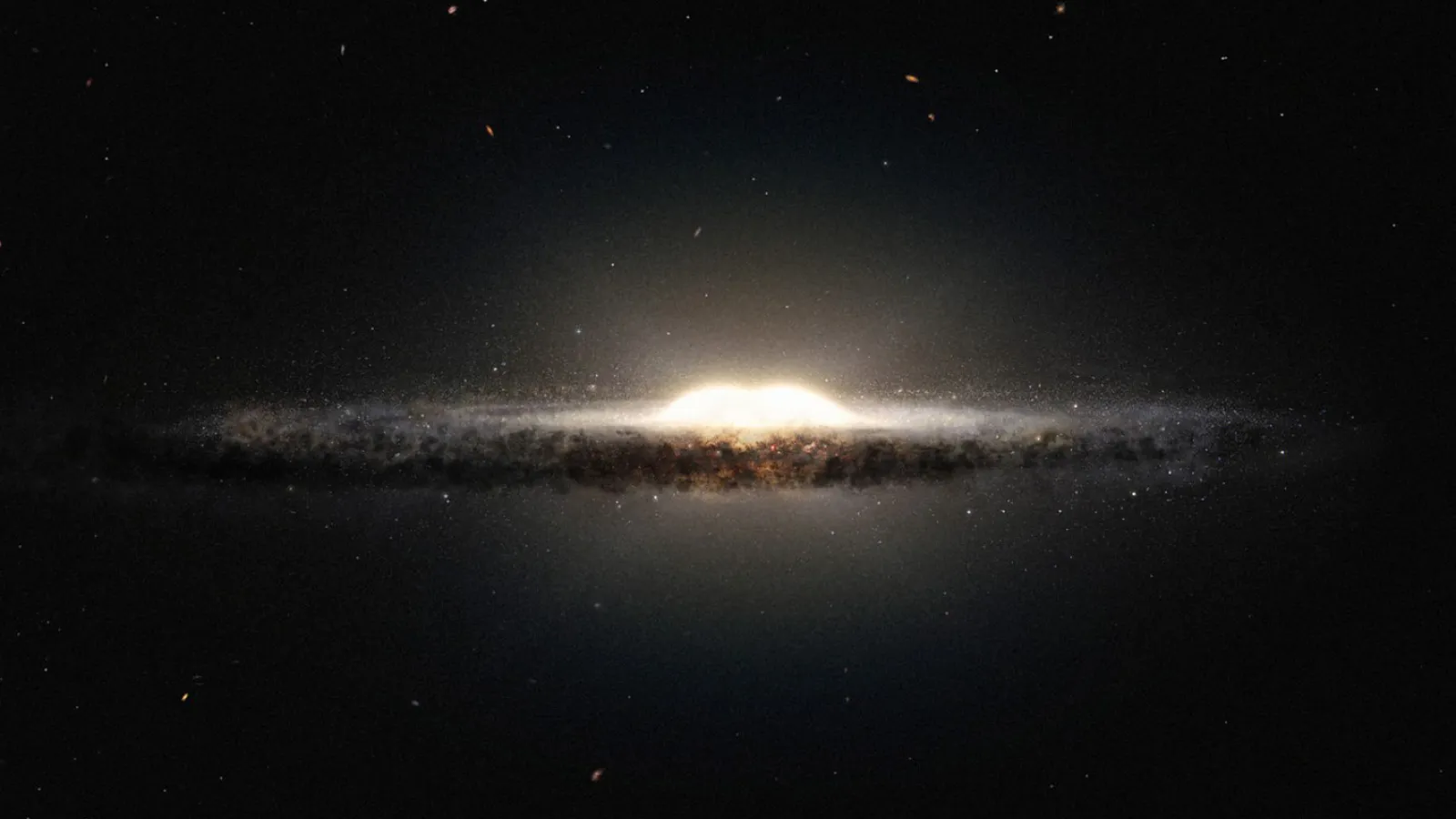
By calculating the age of stars in our interstellar backyard, CCAPP astronomers Fiorenzo Vincenzo and Mathieu Vrard have provided the best evidence to date of the…
The Office of Outreach and Engagement has awarded more than $215,000 to 23 recipients of 2021 Outreach and Engagement grants. Grants were awarded at a maximum amount of $10,000 to support…
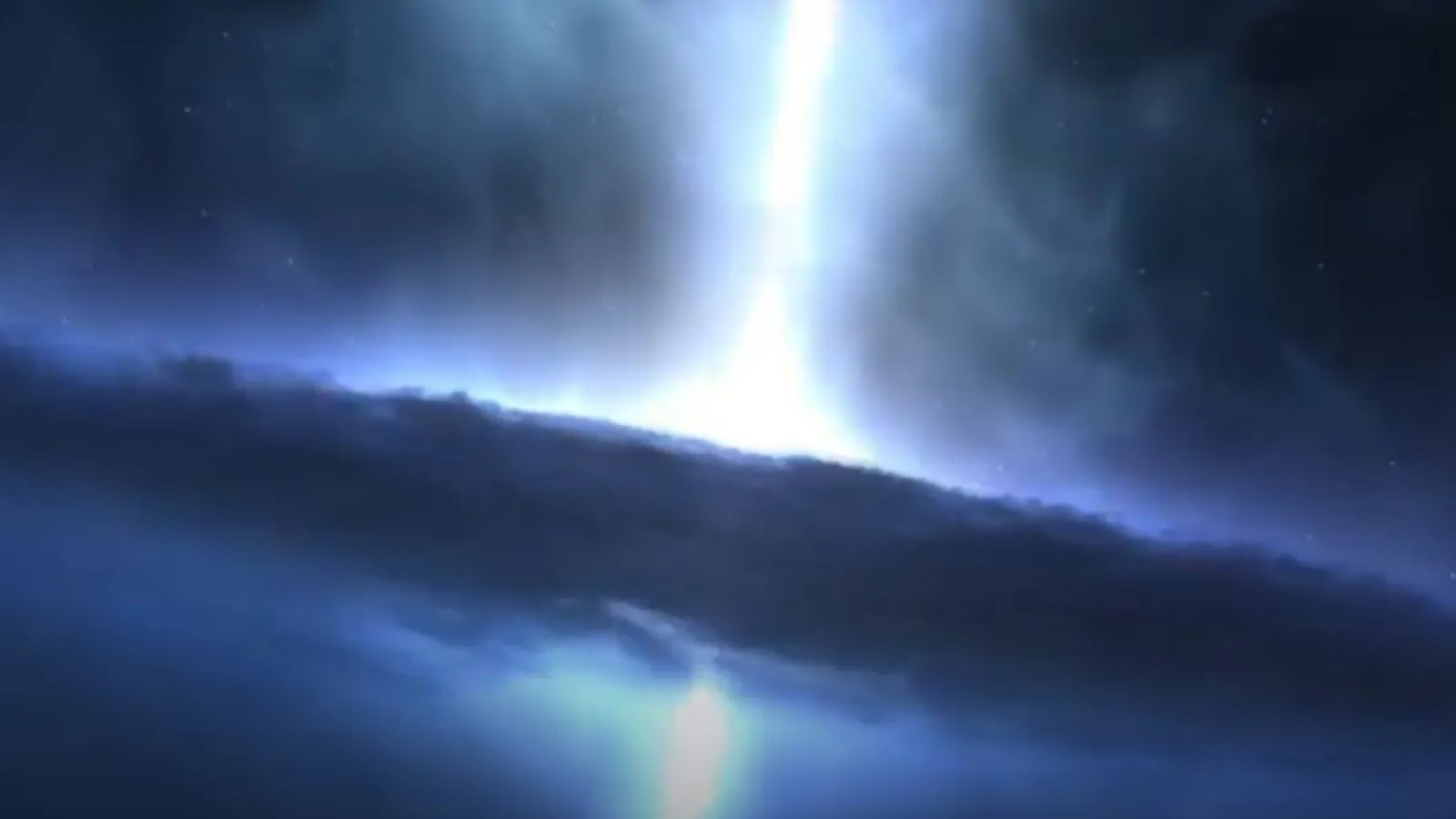
A five-year quest to map the universe and unravel the mysteries of “dark energy” officially began Monday at Kitt Peak National Observatory near Tucson, Arizona, when the Dark Energy Spectroscopic…
The Presidential Fellowship is the most prestigious award given by the Graduate School to recognize the outstanding scholarly accomplishments and potential of graduate students entering the final…
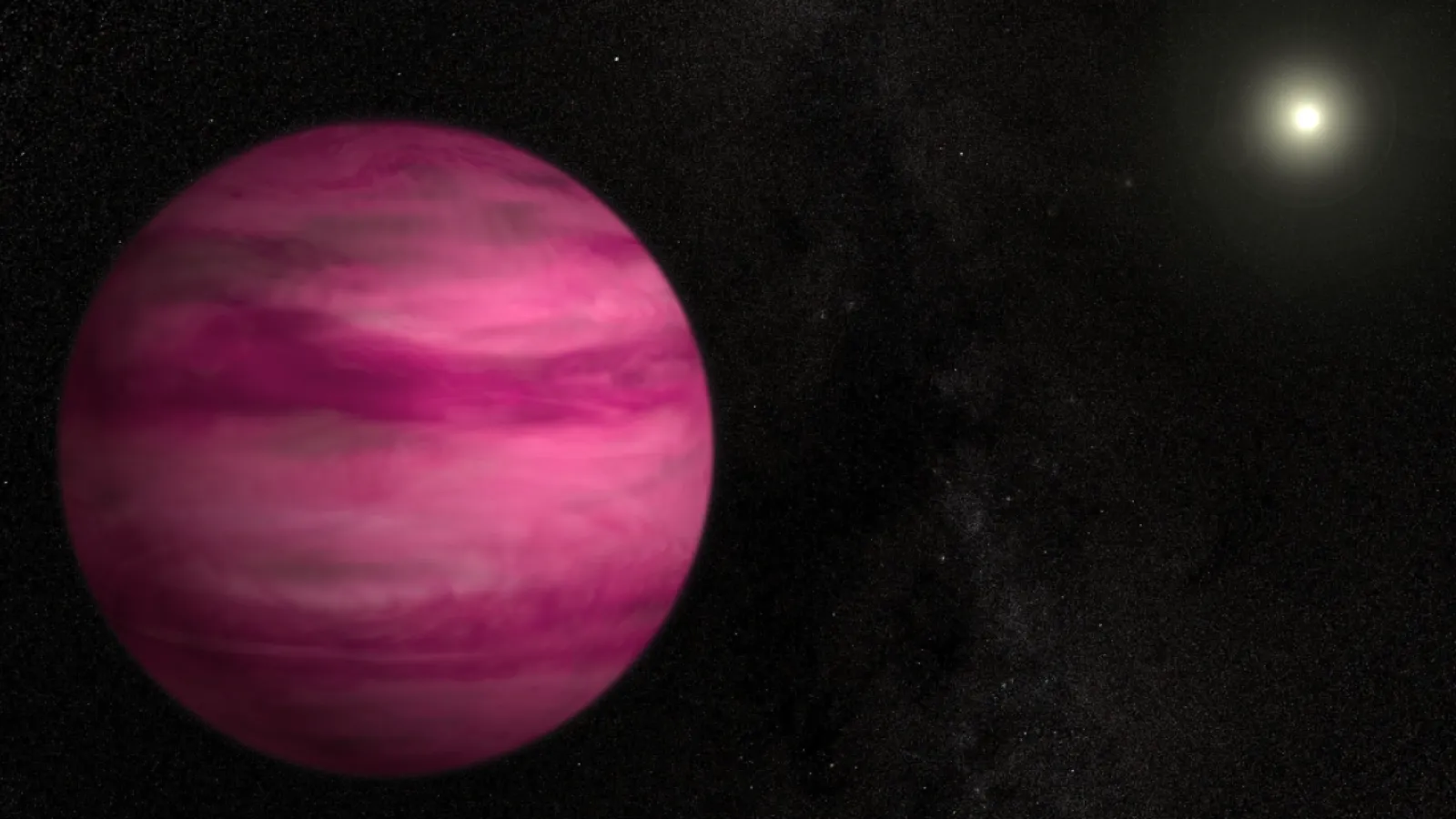
Dark matter makes up roughly 80% of the universe’s mass, yet it can’t be directly observed. New research led by Juri Smirnov, a fellow at the Center for Cosmology and Astroparticle Physics,…
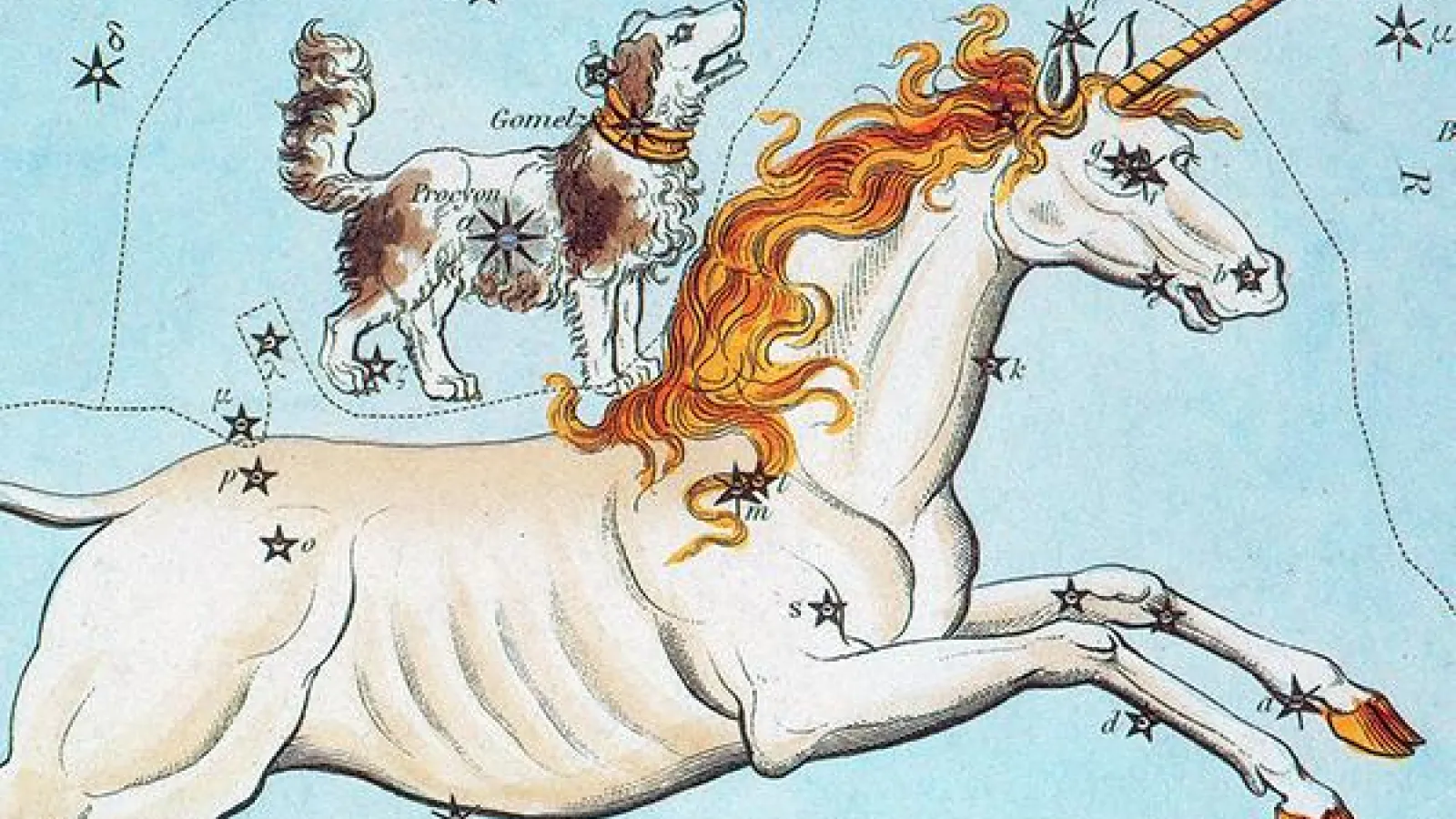
Ohio State Astronomy's Todd Thompson weighs in on the discovery of a celestial “unicorn” that’s just a slim 2.9 solar masses may help unravel a mystery that has long puzzled astronomers. The…
WIRED shares more on newly published research from Juri Smirnov, a fellow in the Center for Cosmology and AstroParticle Physics, which suggests dark matter could be detected by measuring the…
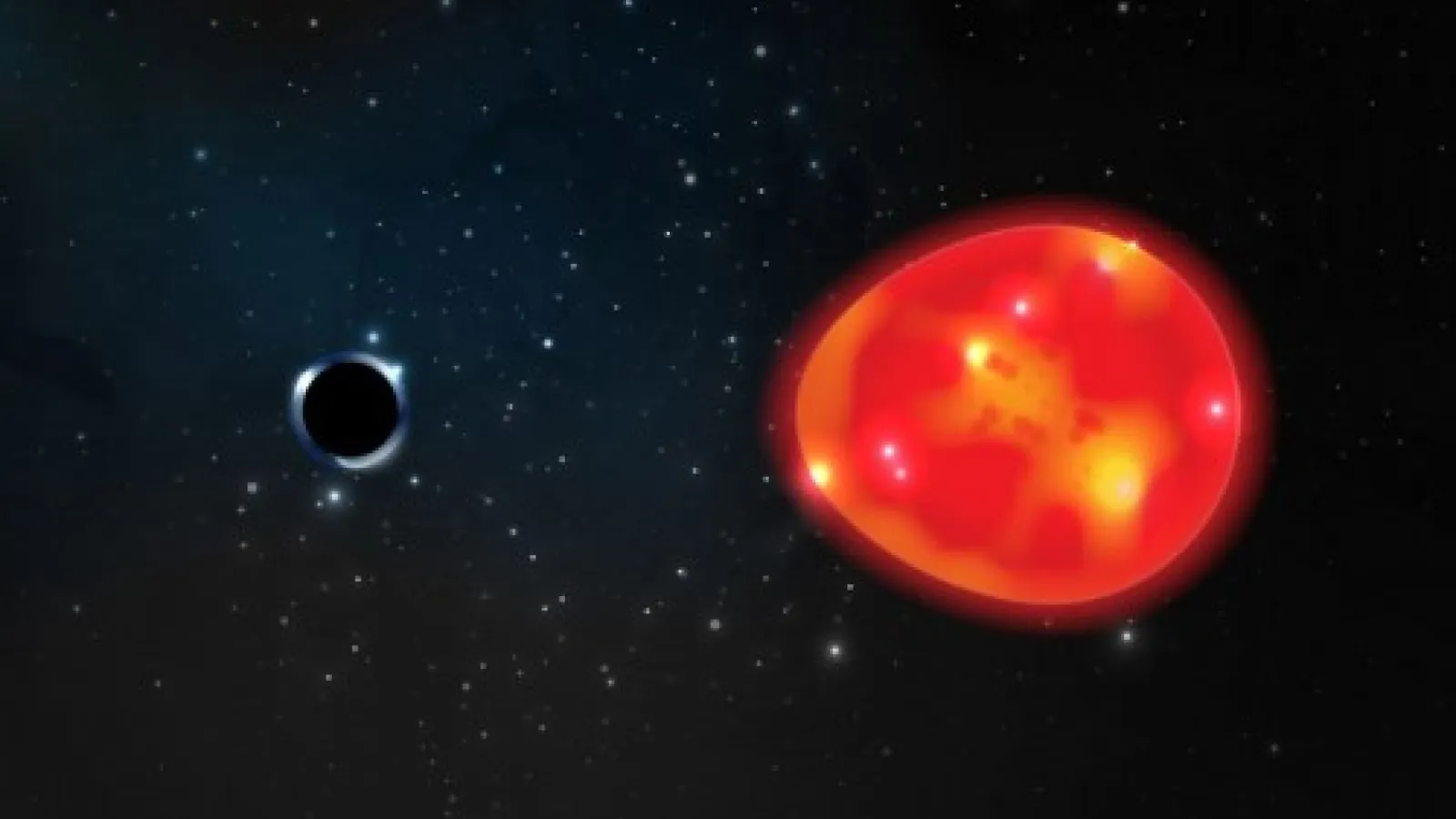
Scientists led by astronomy an Ohio State doctoral student Tharindu Jayasinghe discovered a black hole that may be the smallest in the Milky Way and the nearest to our solar system.
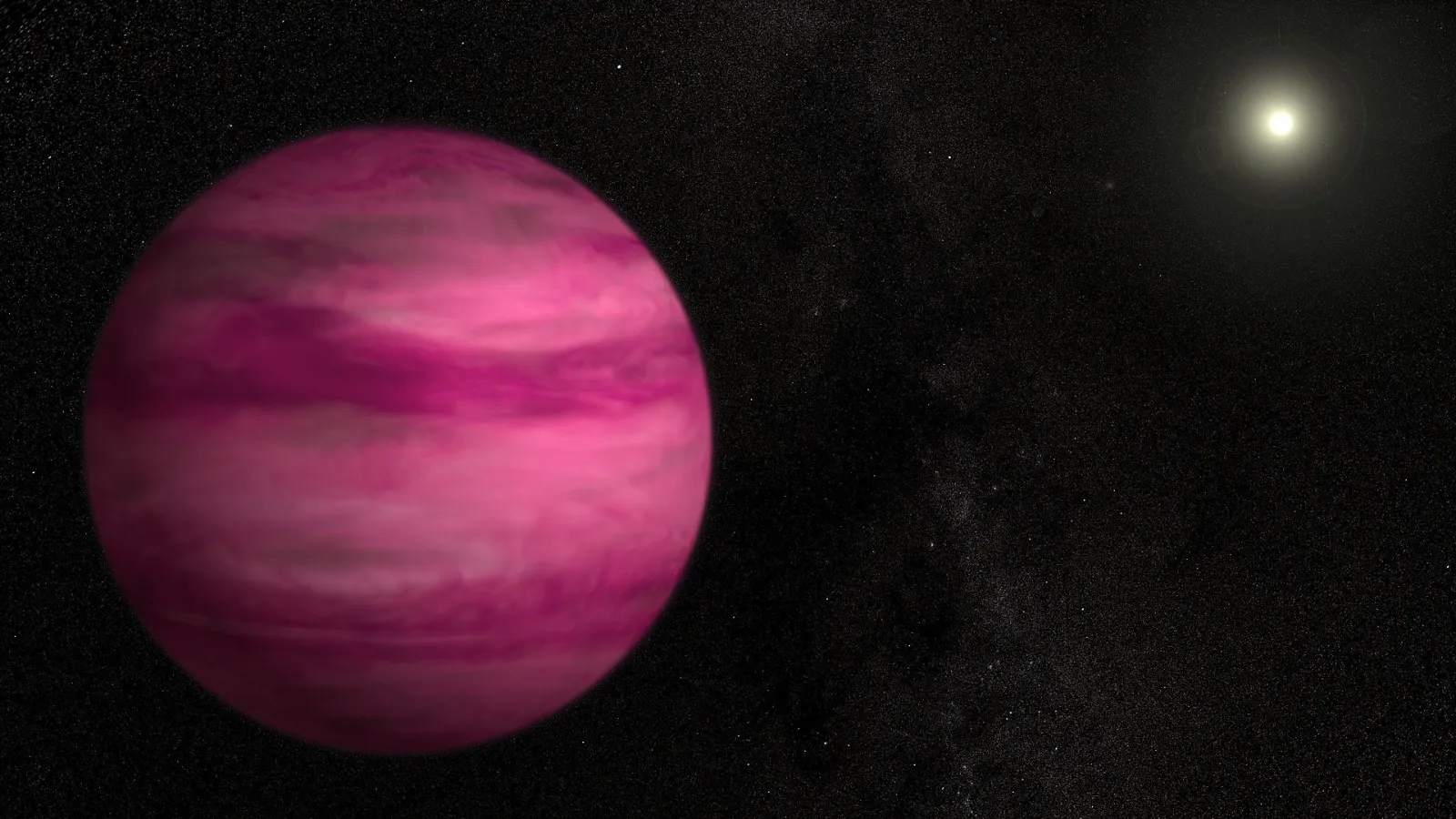
A paper co-authored by Juri Smirnov, a fellow at The Ohio State University’s Center for Cosmology and Astroparticle Physics, suggests exoplanets (planets outside of our solar system) and their…
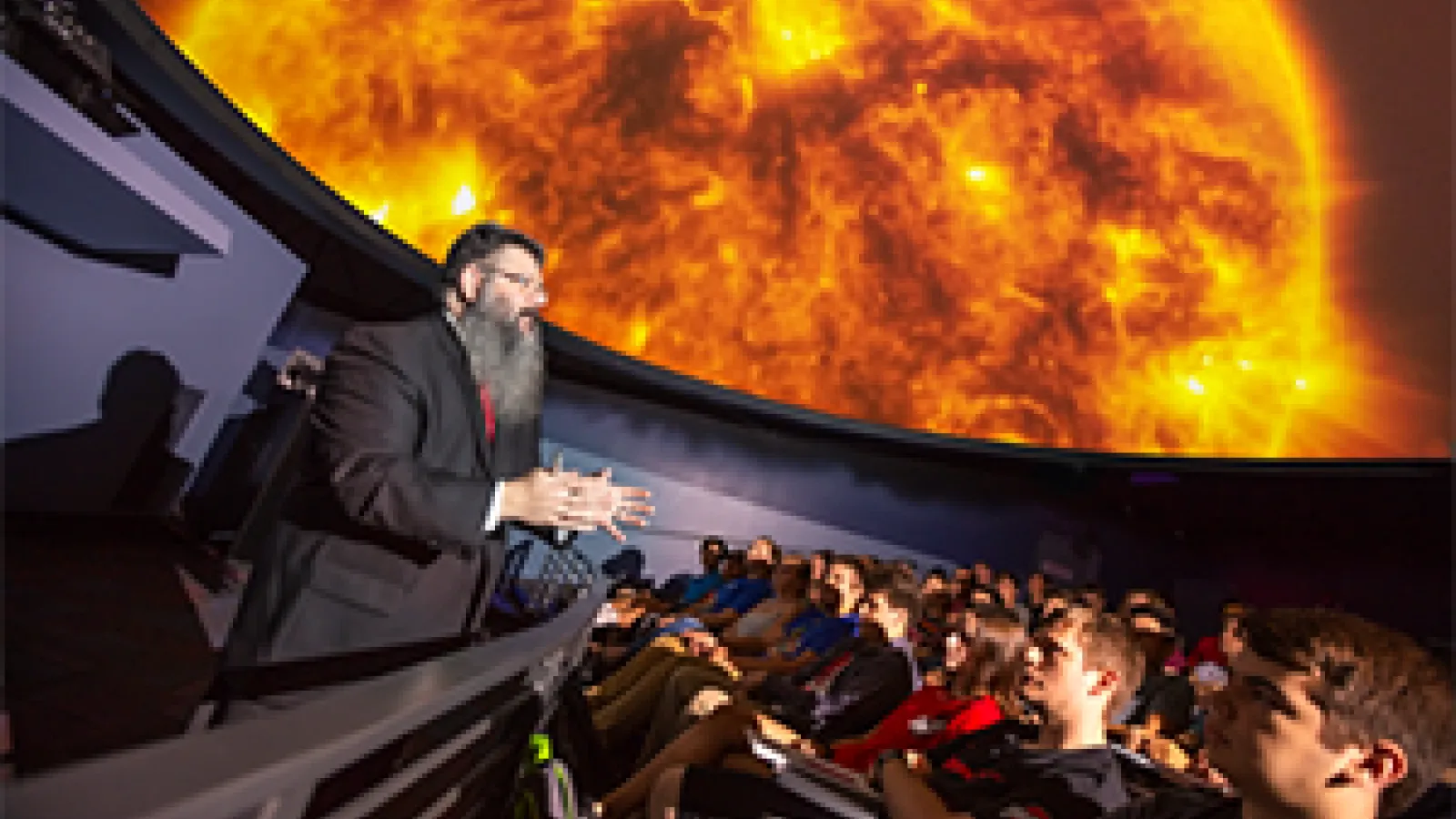
From sharing the grandeur of our universe with the public at the SciDome Planetarium to exploring black holes with middle schoolers and discussing the possibility of extraterrestrial life with…
Christopher Hirata, professor in the Department of Physics and the Department of Astronomy, has received the Distinguished Scholar Award, presented annually to six Ohio State faculty who…
For the third time in his career, The Ohio State University at Newark Assistant Professor Michael Stamatikos, PhD, has received the prestigious Bruno Rossi Prize from the American Astronomical…
Nine postdoctoral scholars in the College of Arts and Sciences were named 2021 President’s Postdoctoral Scholars, supported by the Office of the President. Recipients receive a minimum of $50,000…
Chris Kochanek, professor of astronomy, talks about his current research focusing on "massive stars behaving badly" on the podcast Tai Asks Why.
A longstanding project designed to study dark energy throughout the cosmos has released a second data set showing 300 million objects throughout space, one of the largest data releases of its kind…
The Heineman Prize committee selected two recipients this year, David and Robert Lupton, “for their essential contributions to facilitating, guiding, and participating in transformative science…
An international group of scientists who study space have discovered an astronomical “Old Faithful” – an eruption of light flashing about once every 114 days on a nearly predictable schedule. The…
: Price Prize winner Carl Fields was selected by Forbes to be on their list of 30 under 30 in Science, in fact one of a few “featured” people. The writeup for him notes, “He won a 2020 Price Prize…
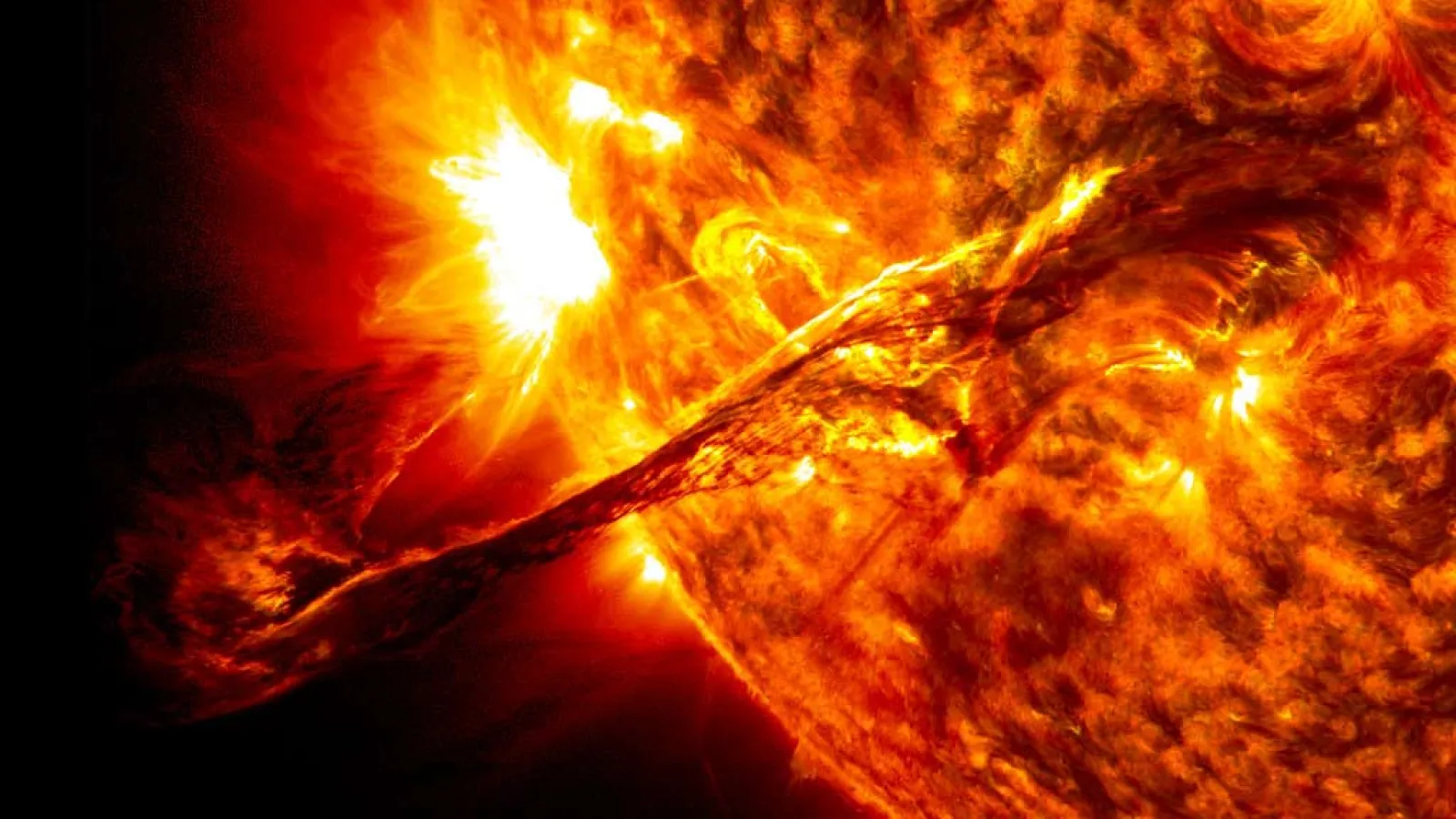
When the sun warms your face, it’s shooting more than just sunbeams at your skin. Neutrinos—ghostly particles with just a trace of mass—come along for the ride. Many trillions of them enter your…
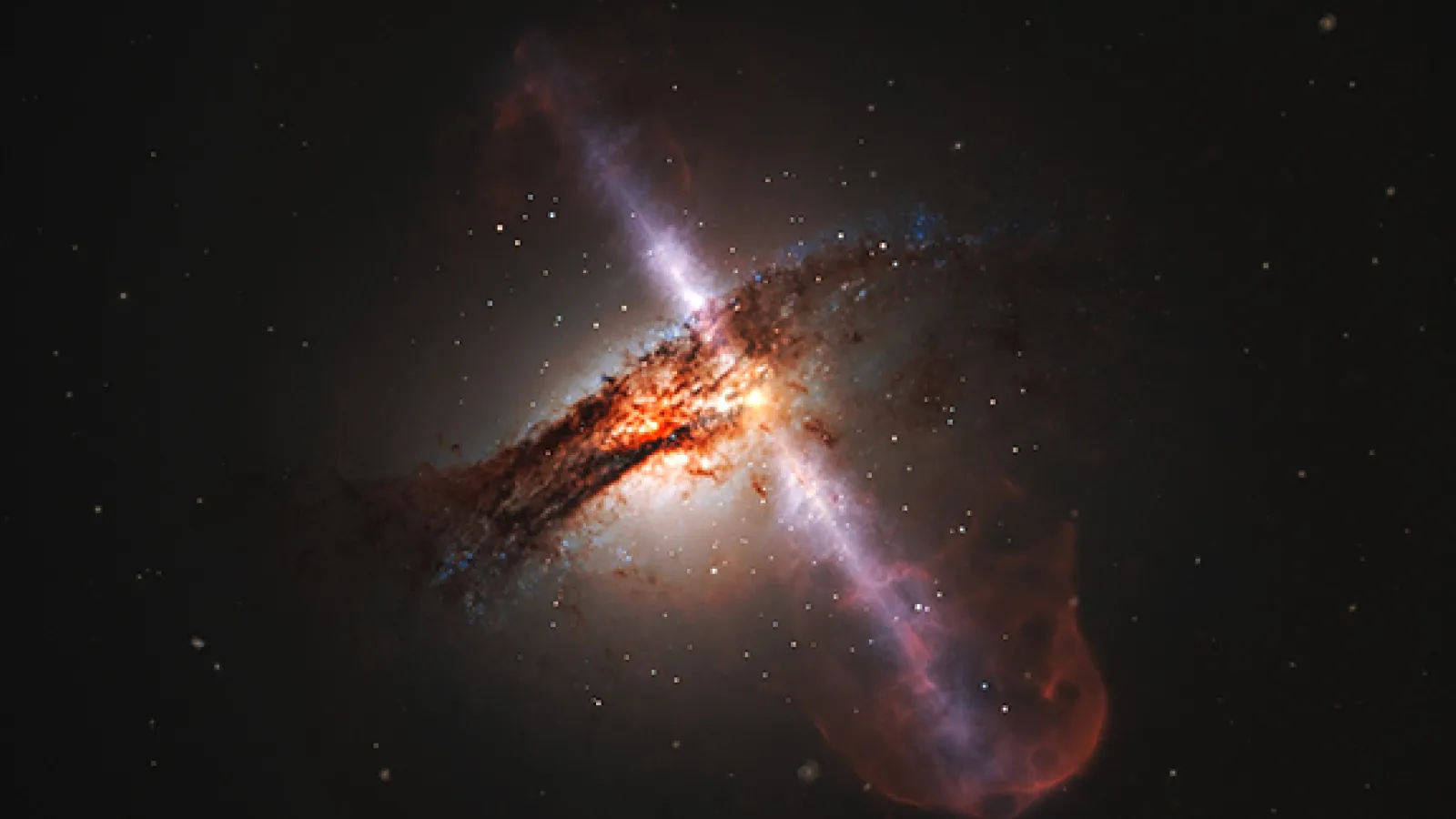
Steven Prohira is a neutrino hunter. The postdoctoral researcher at Ohio State's Center for Cosmology and AstroParticle Physics is principal investigator on a new project, the NSF-funded Radar…
COLUMBUS, Ohio -- The universe is getting hotter, a new study has found.
The study, published Oct. 13 in The Astrophysical Journal, probed the thermal history of the universe over the last…
The Ohio State University Departments of Astronomy and Physics invite applications for Postdoctoral Fellows in the OSU Center for Cosmology and AstroParticle Physics (CCAPP).
A successful…

First, CCAPP Fellow Steven Prohira is PI of a collaborative award (OSU lead institution) for the Radar Echo Telescope. With this 4-year award for $474k we will build, deploy, and…
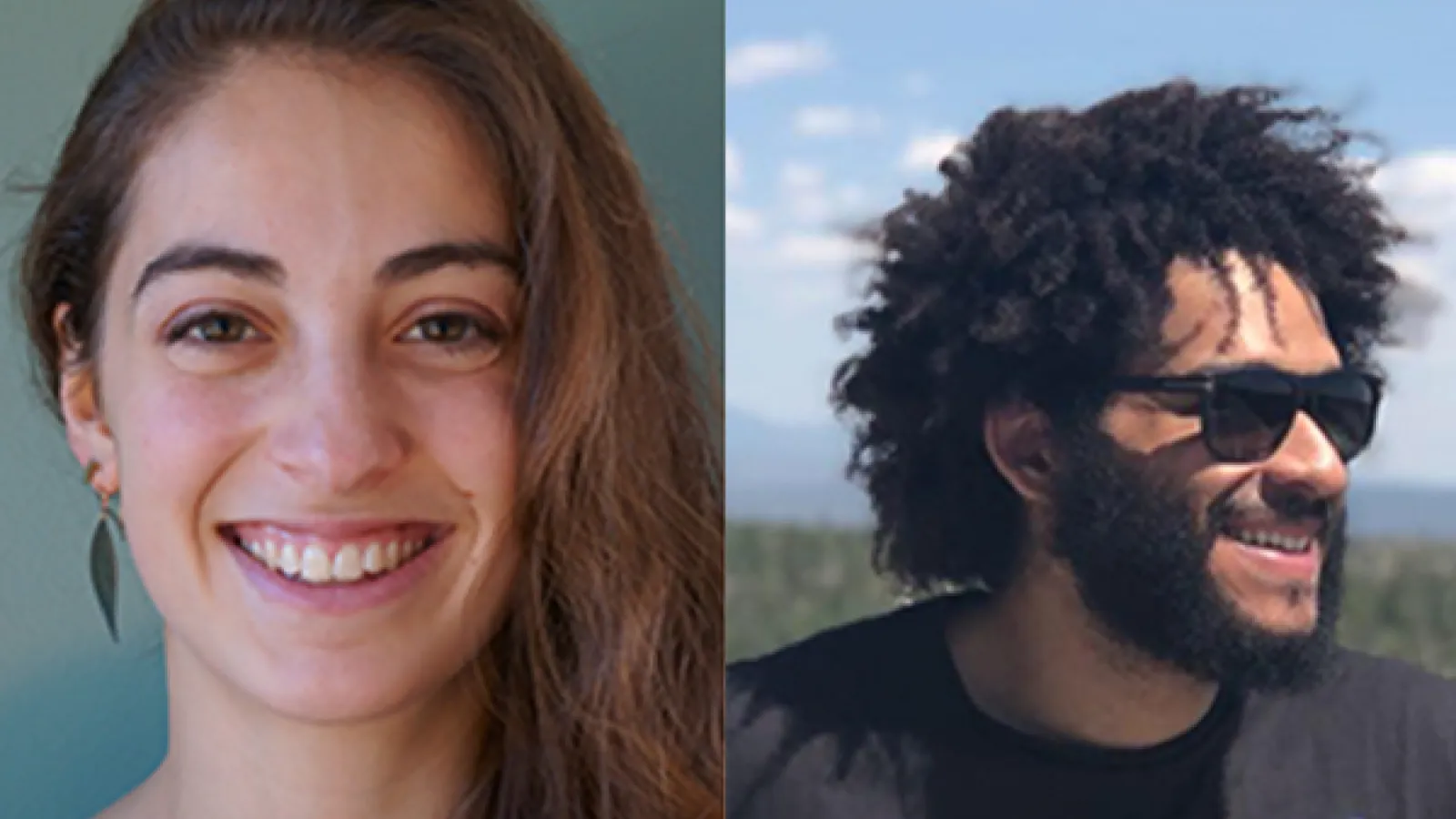
CCAPP is proud to announce Chiara Salemi (MIT) and Carl Fields (MSU) as the winners of the 2020 Price Prize in Cosmology and Astrophysics!
Chiara’s research focuses on searches for low-mass…
Annika Peter and her entire team, which include students, staff and faculty from Physics (Terry Bradley, Beatriz E. Burrola Gabilondo, Kirsten Casey, Chandrodoy Chattopadhyay, Ami Choi, Emilio…
One of our scientists, Annika Peter, was awarded two grants to conduct research that will continue to reveal the mysteries of the universe! We look forward to seeing these studies carried out and…
Scientists are boosting the sensitivity of the Super-Kamiokande neutrino experiment, developed by an international team that includes astronomy and physics professor John Beacom, allowing it to…
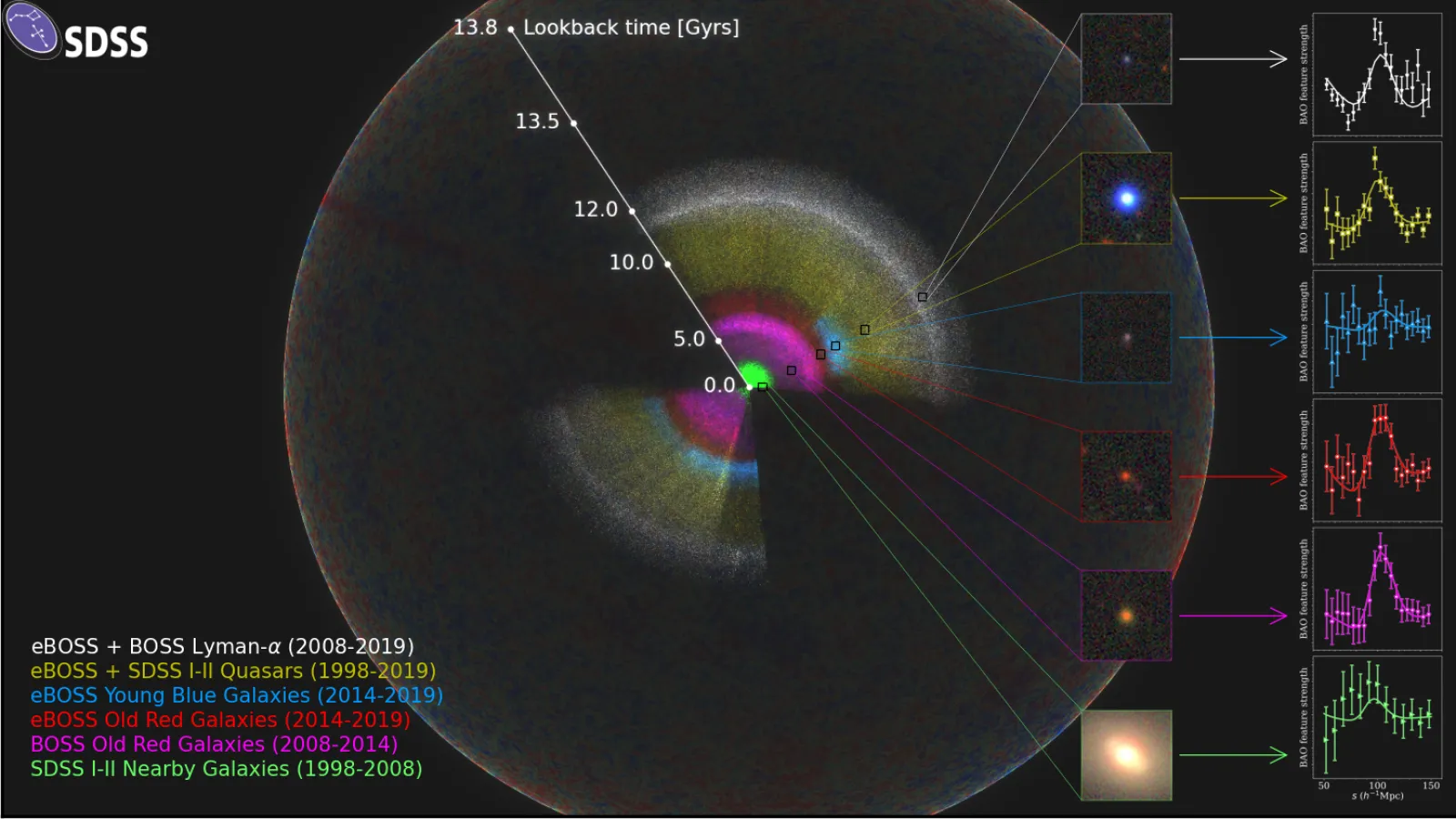
Data shows that about 6 billion years ago, the universe’s expansion accelerated COLUMBUS, Ohio --
A new three-dimensional map, built after decades of collecting and
analyzing data from the…
The Milky Way’s halo — the hazy, gaseous cosmic cloud surrounding our galaxy —is way hotter than we thought. The research, led by professor of astronomy Smita Mathur, could lead to insights about…
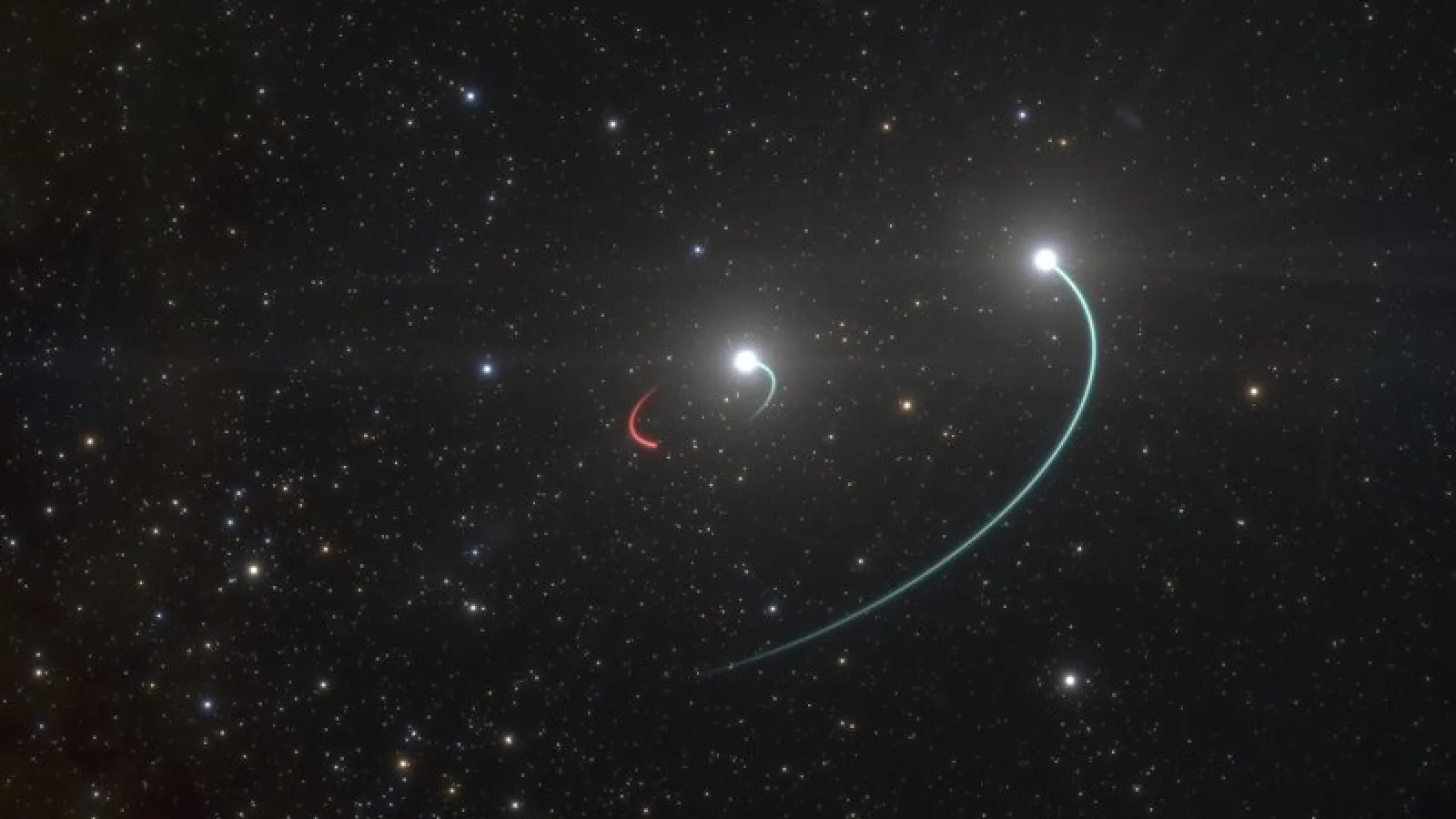
Meet your new but shy galactic neighbor: A black hole left over from the death of a fleeting young star.
European astronomers have found the closest black hole to Earth yet, so near that…
92.3 Woody and the Wakeup Call interviewed CCAPP's Anna Voelker on an asteroid that passed by Earth recently. You can listen to the full recording of this interview here: https://www.iheart.com…
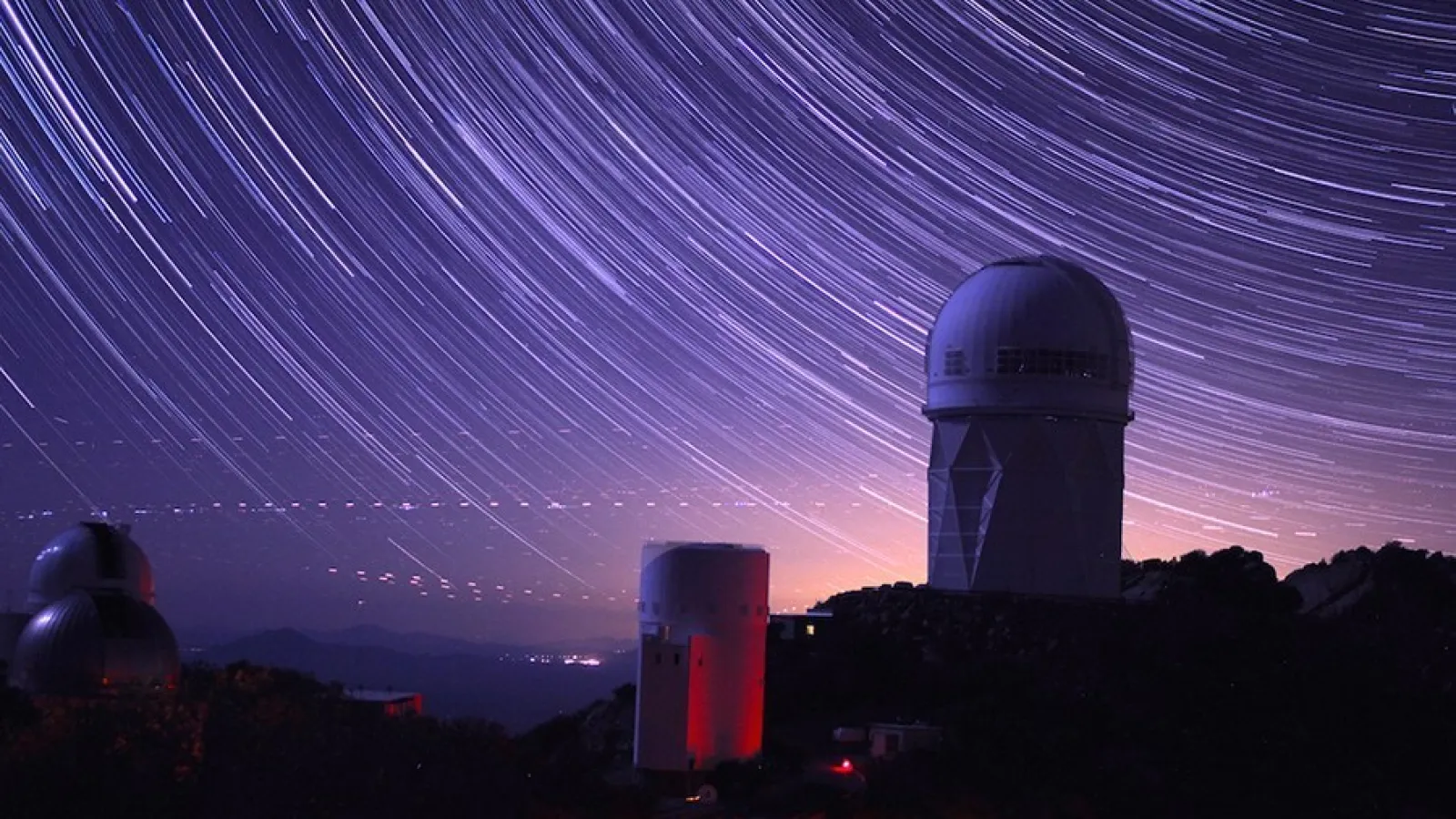
Originally posted to The Daily Californian 6/3/2020 https://www.dailycal.org/2020/06/02/berkeley-lab-researchers-continue-studying-universes-expansion-remotely/
The expansion of…
Paul Martini, professor in the Department of Astronomy and Center for Cosmology and Astroparticle Physics, has been named a 2020–2021 fellow at the Radcliffe Institute for Advanced Study at…
Professor Amy Connolly has been awarded the 2019-2020 Susan M. Hartmann Mentoring and Leadership Award.
This award recognizes a faculty member, staff member or student from within The Ohio…
Ohio State's Department of Astronomy, in partnership with NASA and the SciAccess Initiative, is hosting a free, virtual conference June 29. This free all-day event will be dedicated to promoting…
Todd Thompson, professor and vice-chair in the Department of Astronomy, has received the Distinguished Scholar Award, which honors six Ohio State faculty members who demonstrate scholarly activity…
Annika Peter, associate professor of physics and astronomy, works at the interface of particle physics and astronomy to discover the secrets of dark matter. She shares her research on galaxies,…
This new astronomy webinar series features the work and voices of underrepresented scientists and students in the astrophysics community. Join Anna Voelker, the Department of Astronomy's and CCAPP…
Originally posted to artsandsciences.osu.edu/news on March 31, 2020
Department of Astronomy Visiting Scholar David Martin and 2017 PhD graduate Tom Holoien…
Todd Thompson, professor and vice chair in the Department of Astronomy, has received the Distinguished Scholar Award, which honors six Ohio State faculty members who demonstrate…
Scientists create new experiment to find neutrinos
One of the greatest mysteries in astrophysics these days is a tiny subatomic particle called a neutrino, so small that it passes through matter –…

Originally posted March 12, 2020 by sciencenews.org
Global internet satellites are photobombing telescopes and messing with astronomers’ researchAstronomer Cliff Johnson was peering into…
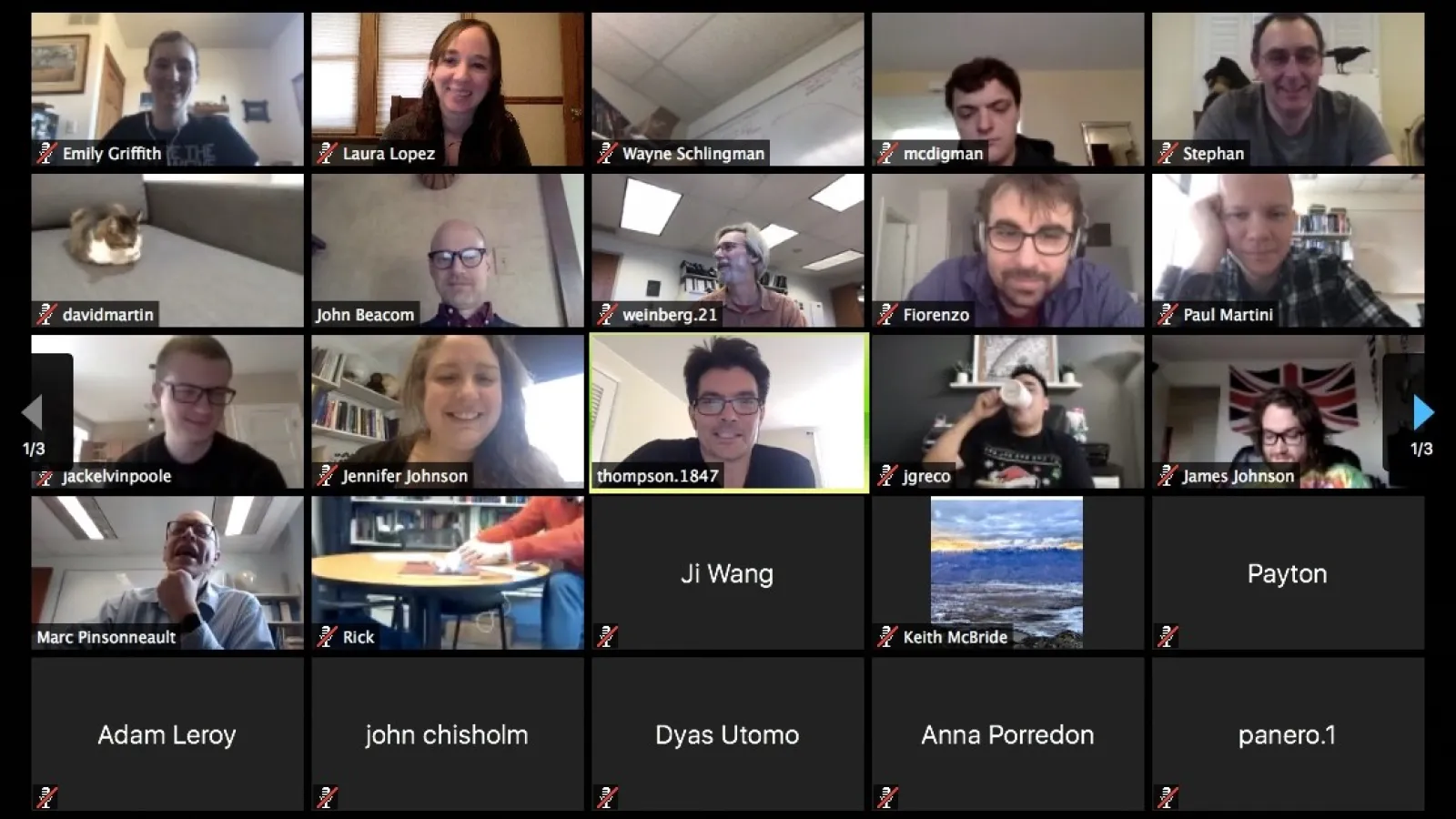
Department’s 25-year daily coffee tradition continues – just online
For 25 years, astronomy researchers at The Ohio State University have gathered daily at 10:30 a.m., filling a conference room,…
SciAccess, an initiative started by Anna Voelker, outreach coordinator in the Department of Astronomy, has received the Community Engaged Program Award for promoting disability inclusion in…
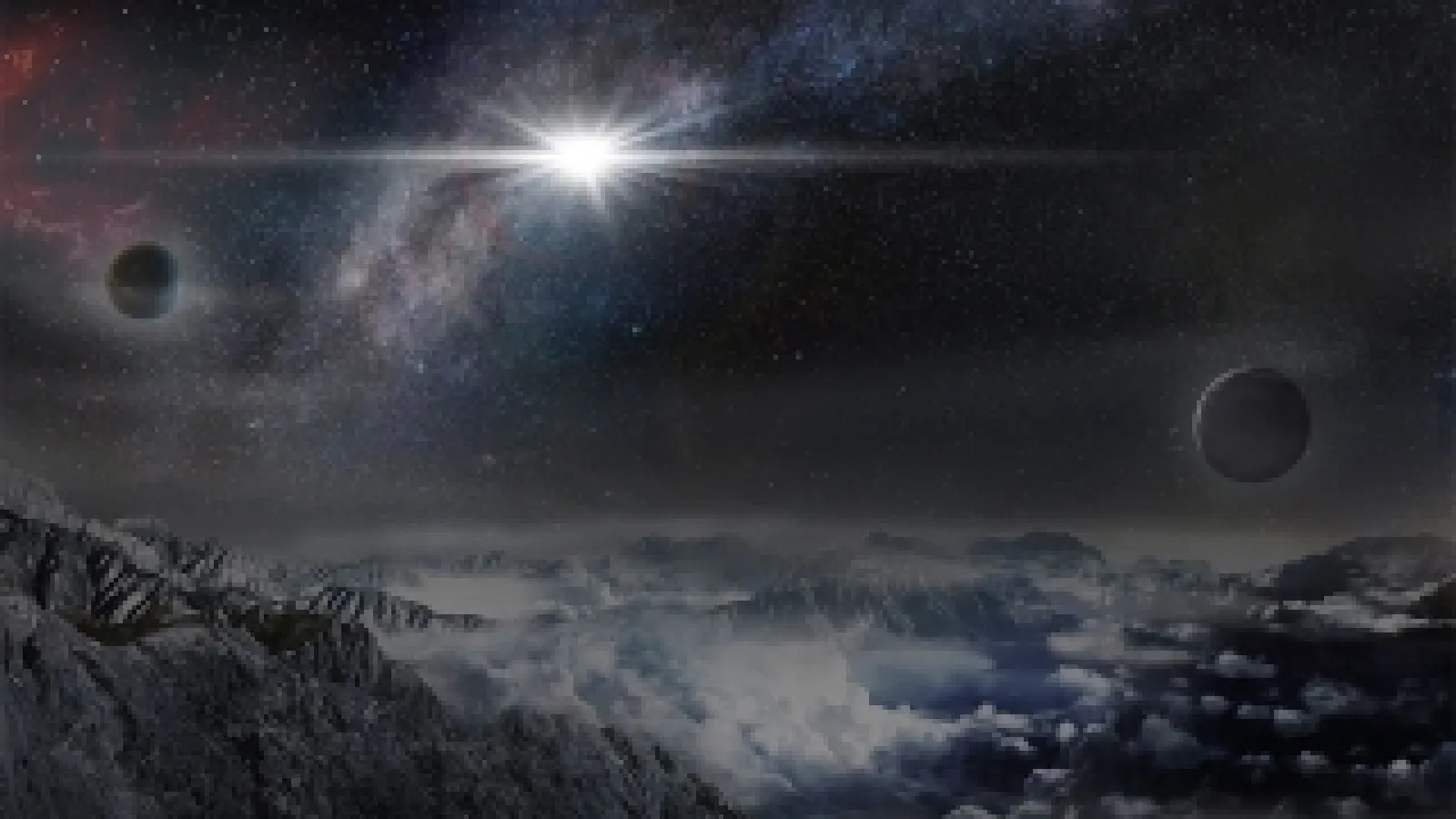
We are pleased to announce the results of the 2020 Faculty Senate Election in the Natural and Mathematical Sciences division of the College of Arts and Sciences. Elected senators and alternates…

Originally published to physicsworld.com
Physicists working at the SLAC laboratory in the US have shown they can detect radar echoes by bouncing radio waves off a cascade of high…
Originally posted to artsandsciences.osu.edu/news
Christopher Kochanek, professor of astronomy and Ohio Eminent Scholar, and Krzysztof Stanek, professor of astronomy and Ohio State…
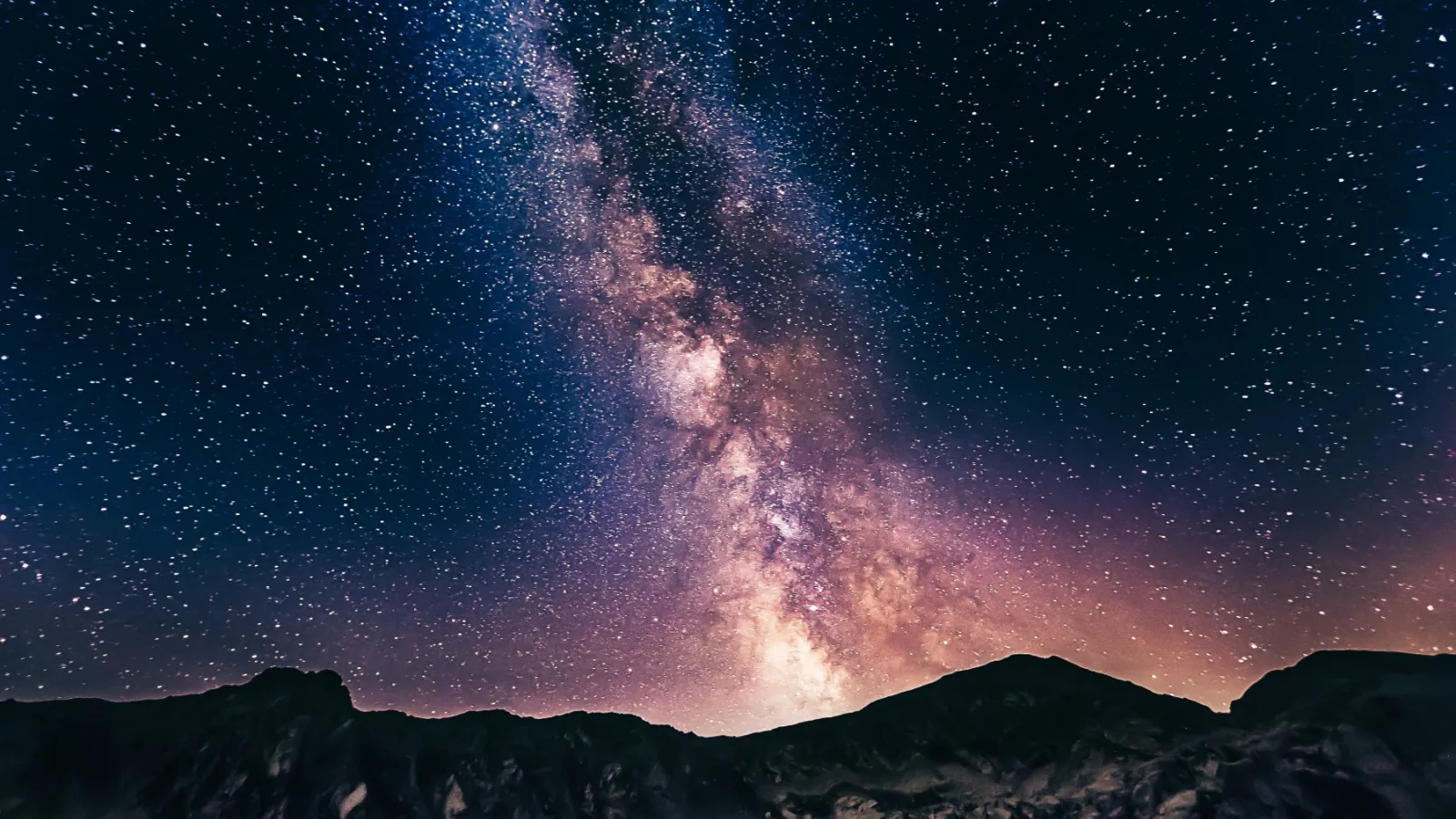
Study finds new elements, hotter temperatures in the Milky Way
Originally posted to news.osu.edu
The halo that surrounds our Milky Way galaxy is hotter and made up of…
Originally posted to artsandsciences.osu.edu/news
John Beacom, Arts and Sciences Distinguished Professor and Henry L. Cox Professor of Physics and Astronomy, has…
Originally posted to gizmodo.com.au
Scientists using the Hubble Space Telescope have discovered evidence of small clumps of dark matter warping the light from distant quasars.
…
Originally posted to artsandsciences.osu.edu/news
Christopher Kochanek, professor and Ohio Eminent Scholar in the Department of Astronomy, has won the 2020 Dannie…
John Beacom, Arts and Sciences Distinguished Professor, Astronomy, "Three Physicists Stumbled Upon a Striking Mathematical Discovery," The Atlantic, Nov. 17
Todd Thompson, Professor, Astronomy, "How measels wipes out immune memory and detecting small black holes," Science Magazine, Oct. 31
Paul Sutter, Community Outreach Coordinator, CCAPP, “Black hole shock: Travelling towards singularity would allow you to ‘see your future,’” Daily Express, Nov. 19
College of Arts and Sciences faculty members Andrew Hayes, professor in the Department of Psychology, and David Weinberg, Distinguished University Professor in the Department of Astronomy, were…
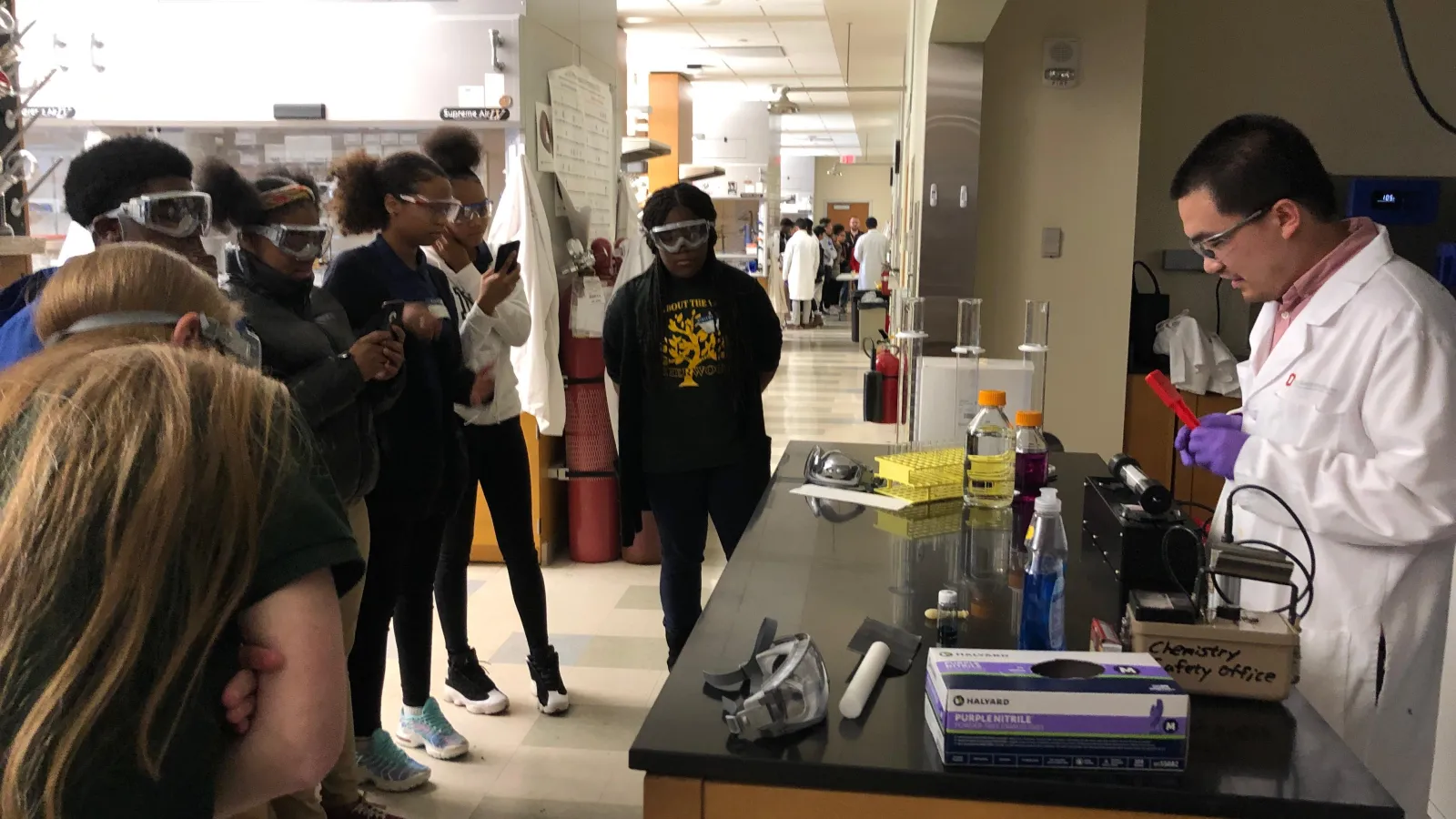
Ohio State welcomed several hundred middle school students from nine Columbus City Schools on Nov. 6 for the Breakfast of Science Champions. The students took part in hands-on science activities…
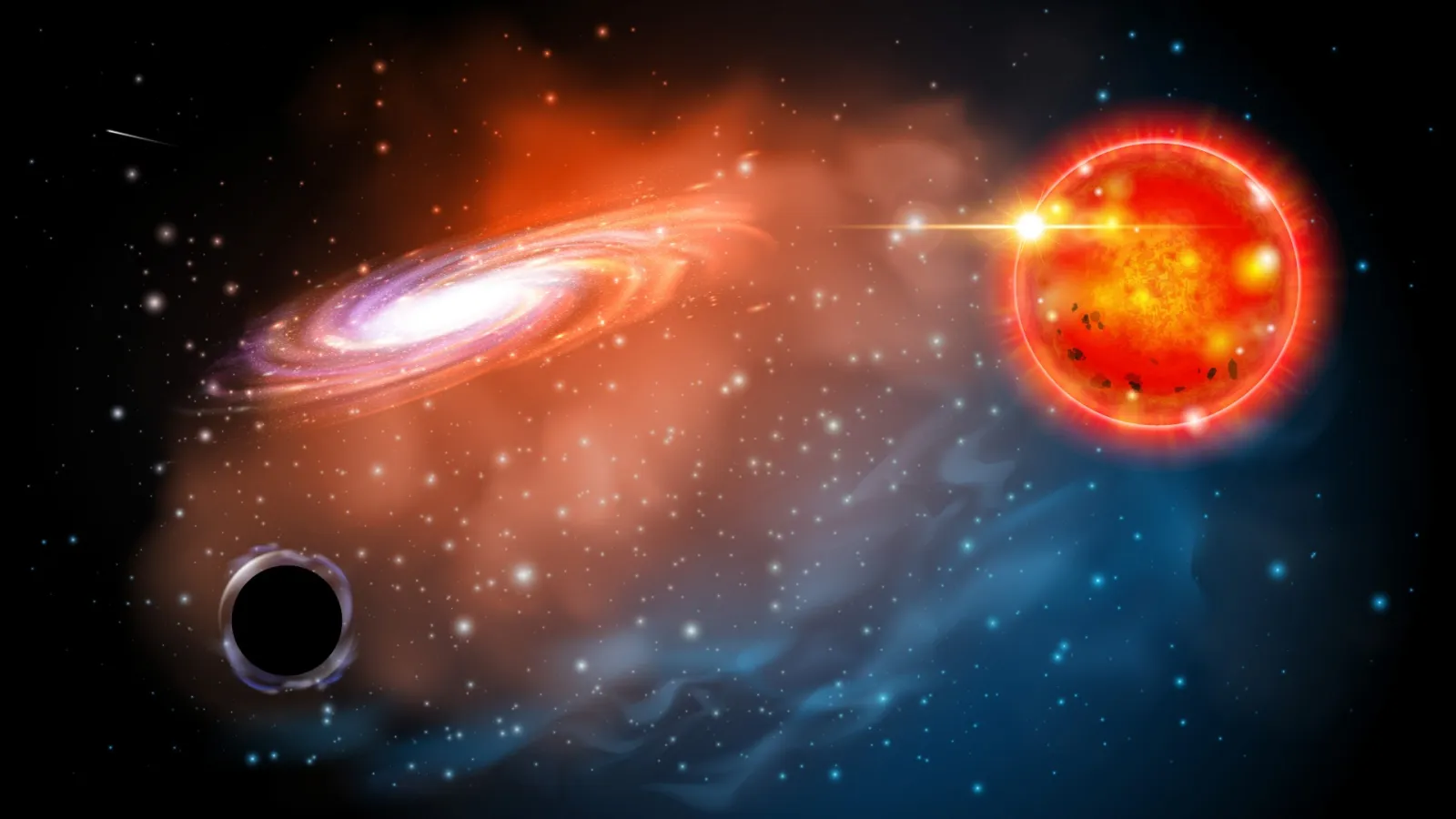
New study shows black holes might be smaller than researchers believed possible
COLUMBUS, Ohio-Black holes are an important part of how astrophysicists make sense of the universe – so…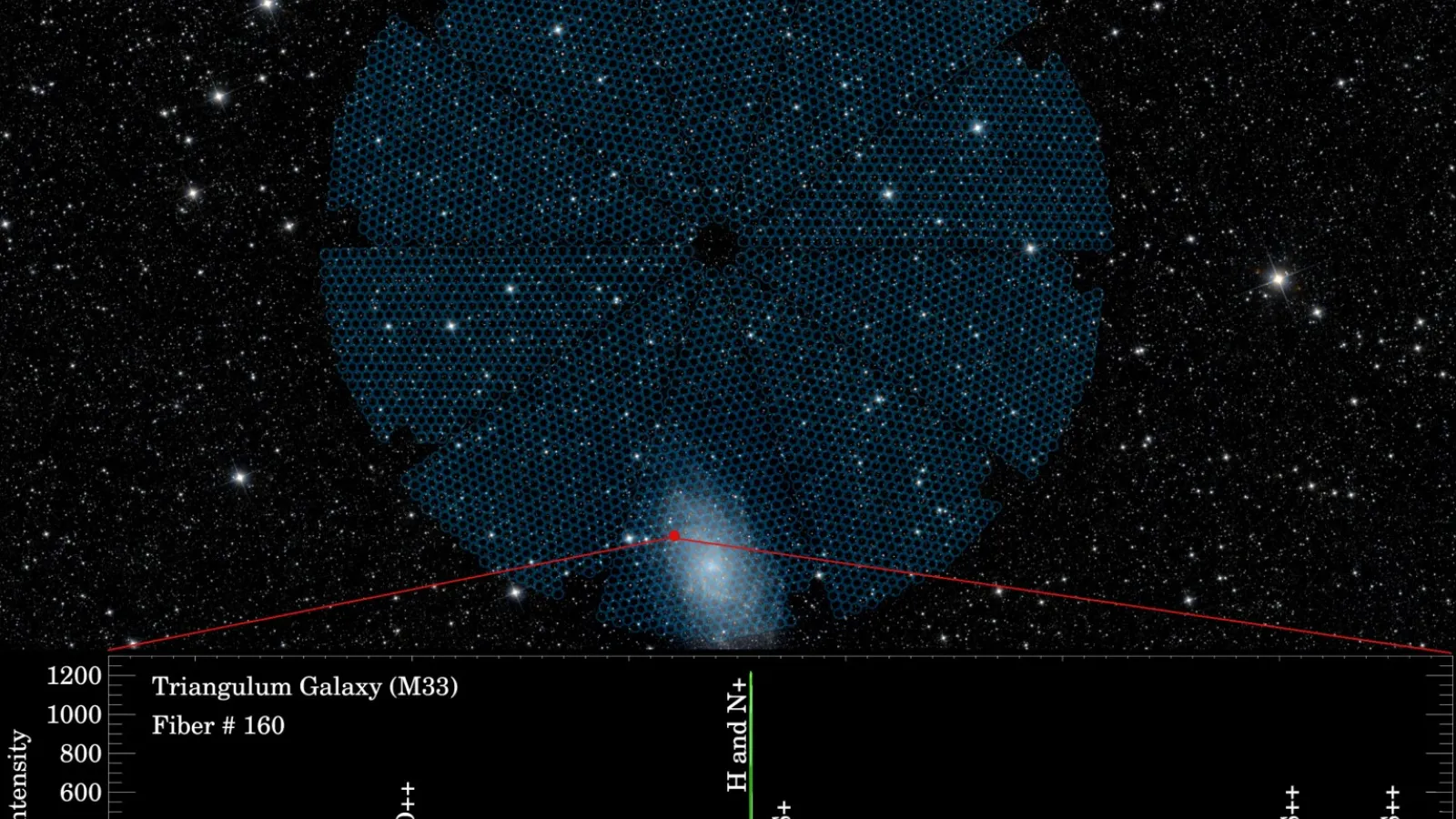
Astronomers test fiber-optic experiment that attempts to understand why the universe's expansion is accelerating For the last 20 years, astrophysicists have tried to understand dark energy, an unseen…
The Ohio State University Departments of Astronomy and Physics invite…
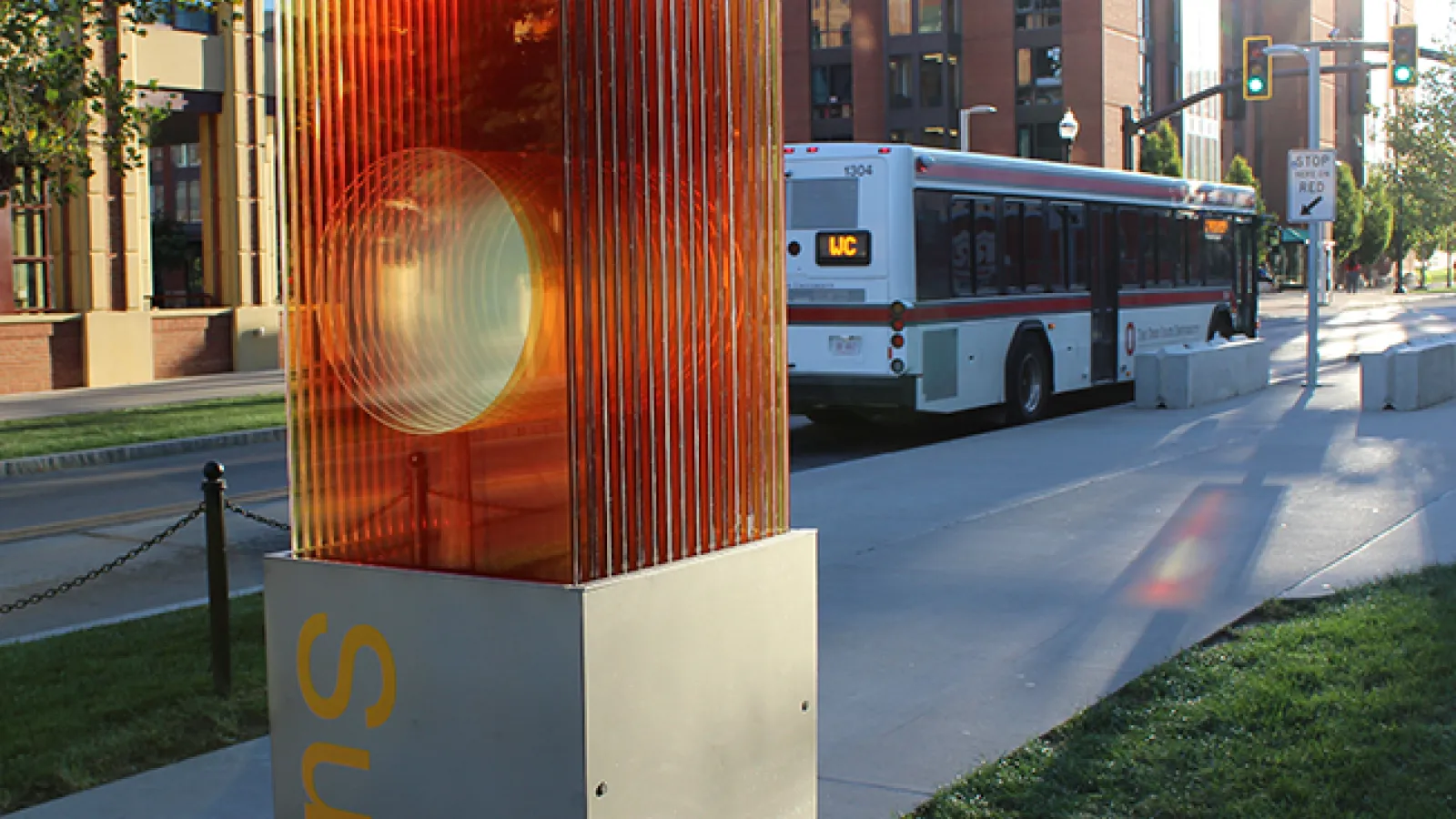
A new cosmic art installation on campus represents our solar system and bridges the arts and sciences in an astronomical way, thanks to a generous gift from M. Andrew (Andy) '64 '67 and Sandra (Sandy…

Shirley Li and Isaac Upsal have been awarded the 2020 Dissertation Award of the APS Division of Nuclear Physics. Shirley Li is an alumna of both OSU's Physics Department as well as CCAPP. Isaac…
(Originally posted to https://news.osu.edu)
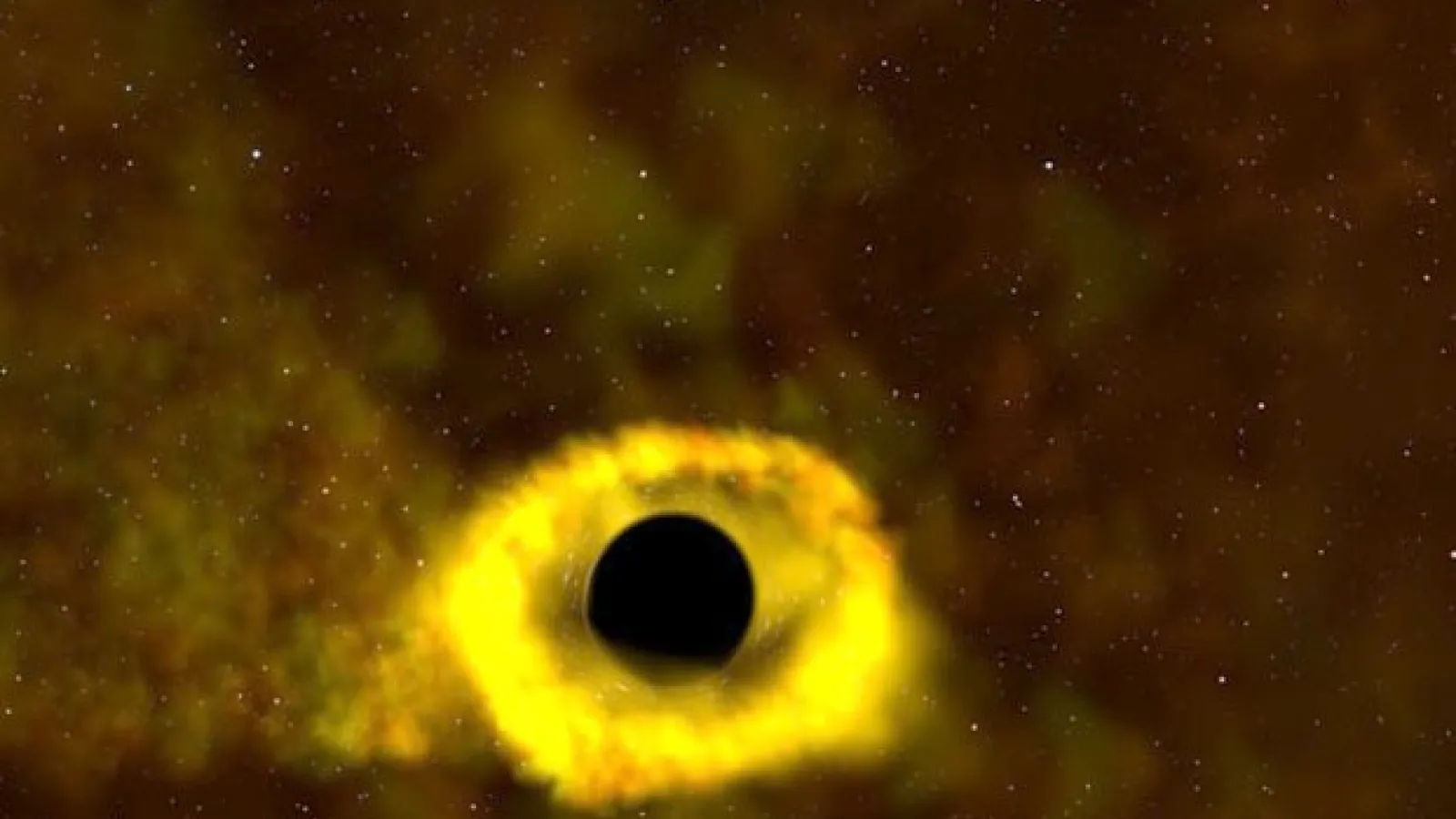
“Lucky” observation gives most detailed look ever of the phenomenon A NASA satellite searching space for new planets gave astronomers an unexpected…
The Office of Postdoctoral Affairs (OPA) is pleased to announce that John Beacom is the 2019 recipient of the annual Mentor of the Year Award. The Faculty Mentor of the Year Award recognizes a…
"Science is not about trying to memorize what's in the book." -John Beacom
This week on Voices of Excellence, Distinguished Professor of Physics and Astronomy John Beacom describes…
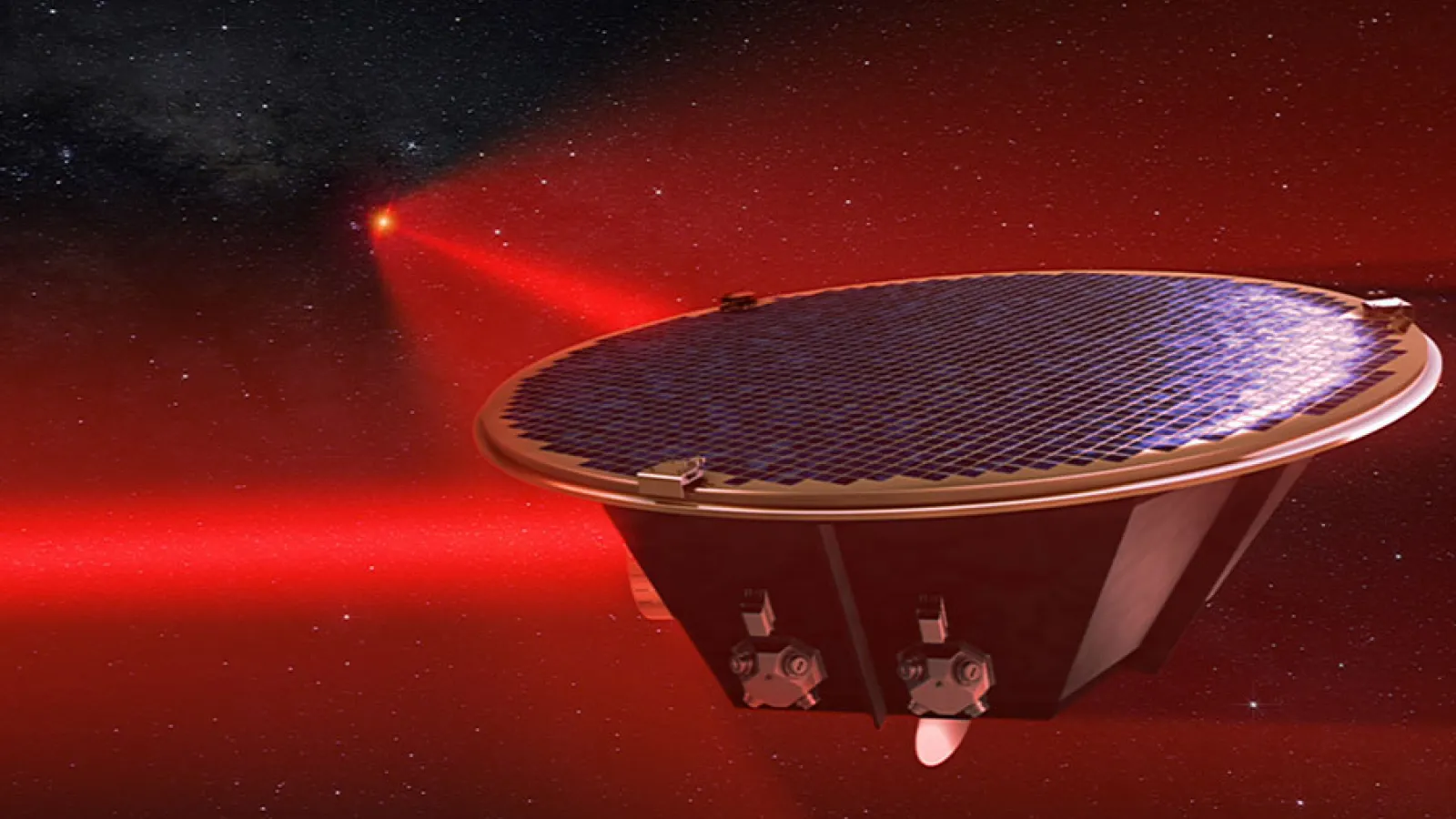
Leading experts (including Nobel Prize Winner Rai Weiss) discuss the future and far future of gravitational wave astronomy from upgrading LIGO to larger ground based detectors such as The Einstein…
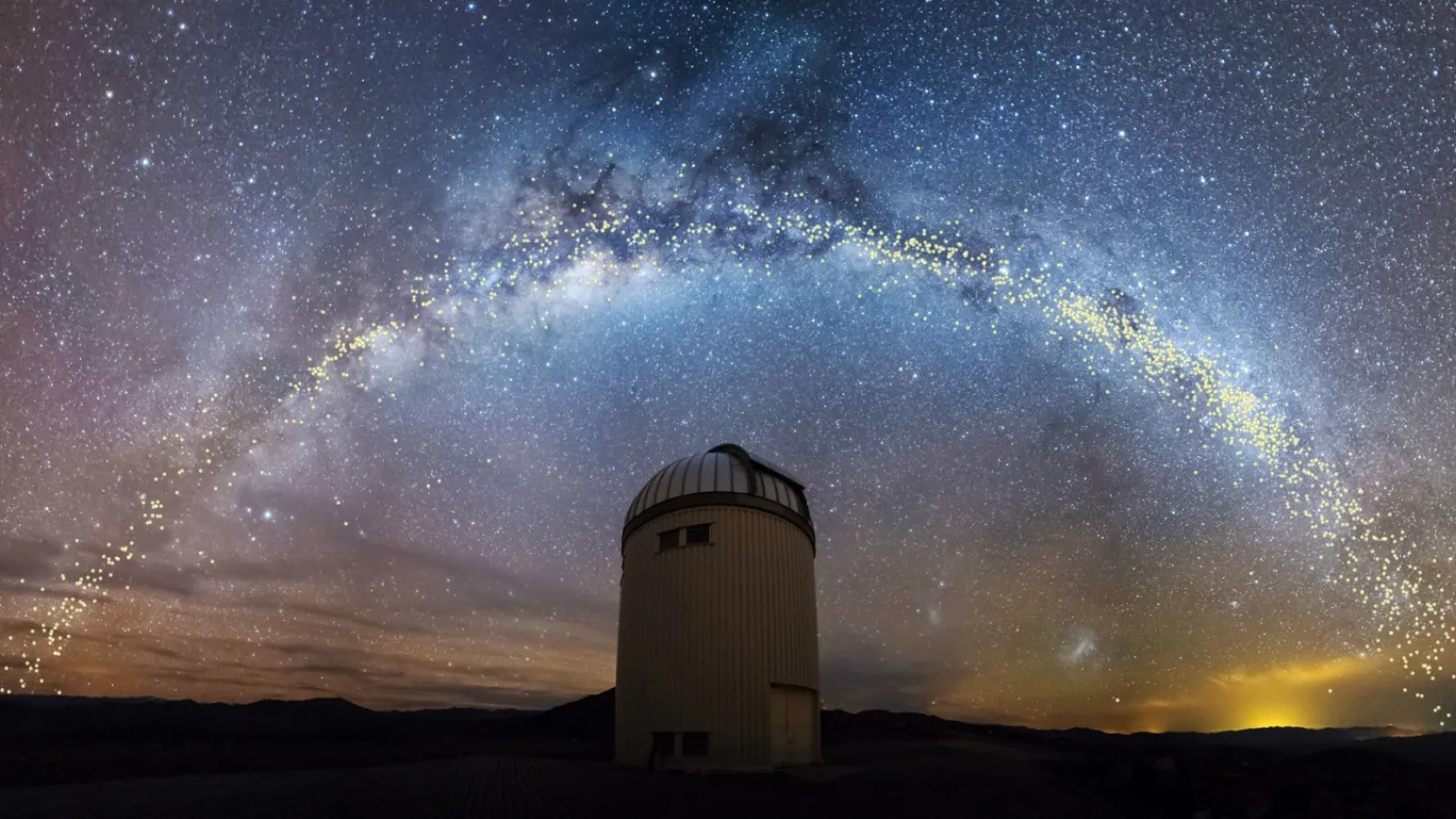
(Originally posted http://news.osu.edu)
Model created using more than 2,300 stars — the most comprehensive of its kind to dateAn international research team has built the most in…
It has been 50 years since Neil Armstrong made “one giant leap for mankind”, but Apollo 11’s golden anniversary is bittersweet.
On the one hand, we celebrate a tremendous technological…

(Originally posted http://osu.edu/features)
Anna's Roadmap to Success From COSI to NASA to the President's Prize, Anna Voelker's story is a journey that started with a struggle.When…
Data from NASA and Ohio State offer new clues about why stars explode.
When NASA’s Transiting Exoplanet Survey Satellite launched into space in April 2018, it did so with a specific goal:…
(Originally posted http://u.osu.edu/stemcoding)
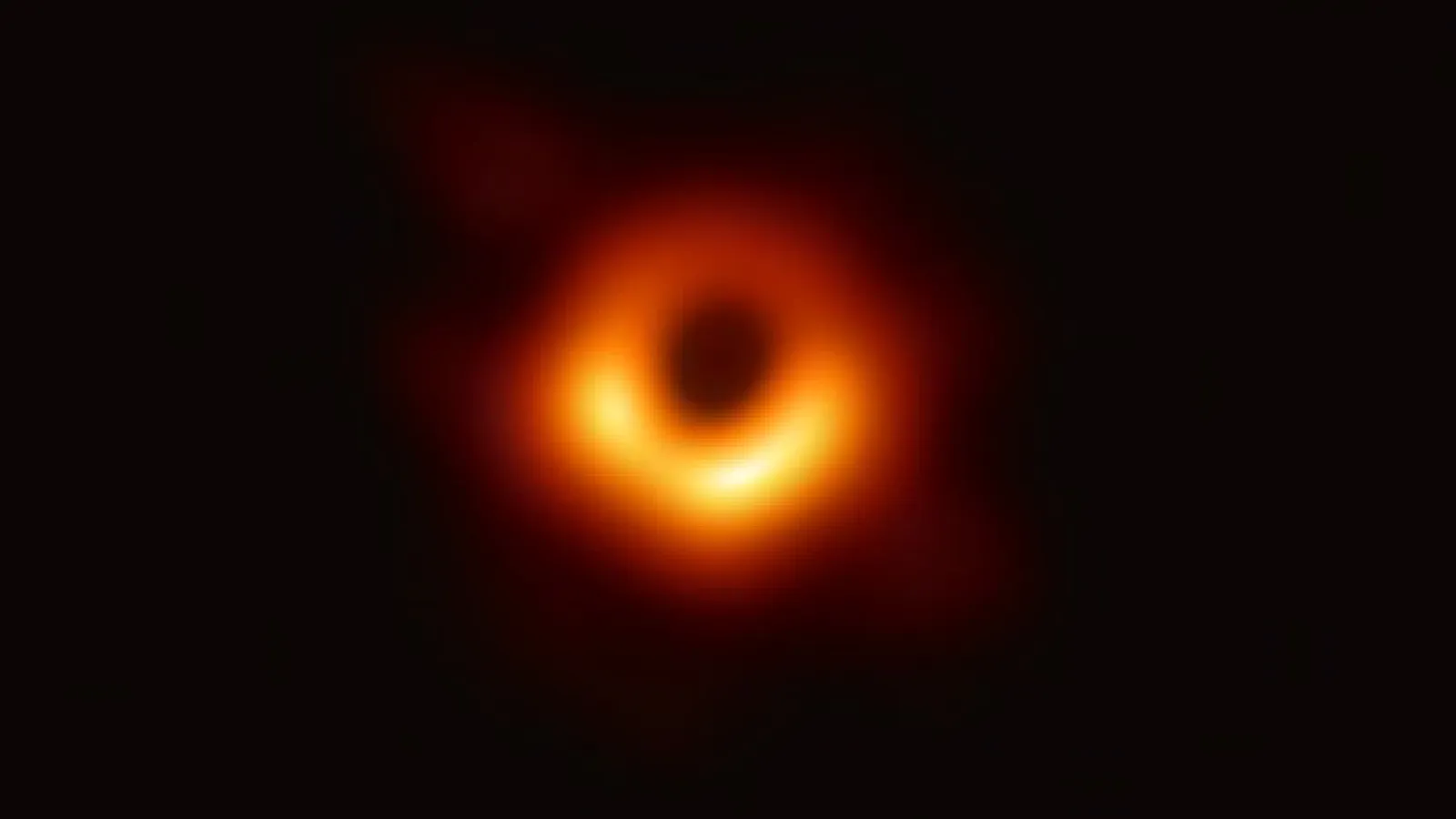
This spring we were all amazed to see the first images of gas falling into a supermassive black hole which were taken by a global radio…
(Originally posted http://abc.net.au)
An international science team including astronomy and physics professor John Beacom is using 11,000 giant ’lightbulbs,’ 50,000 tons of ultrapurewater…
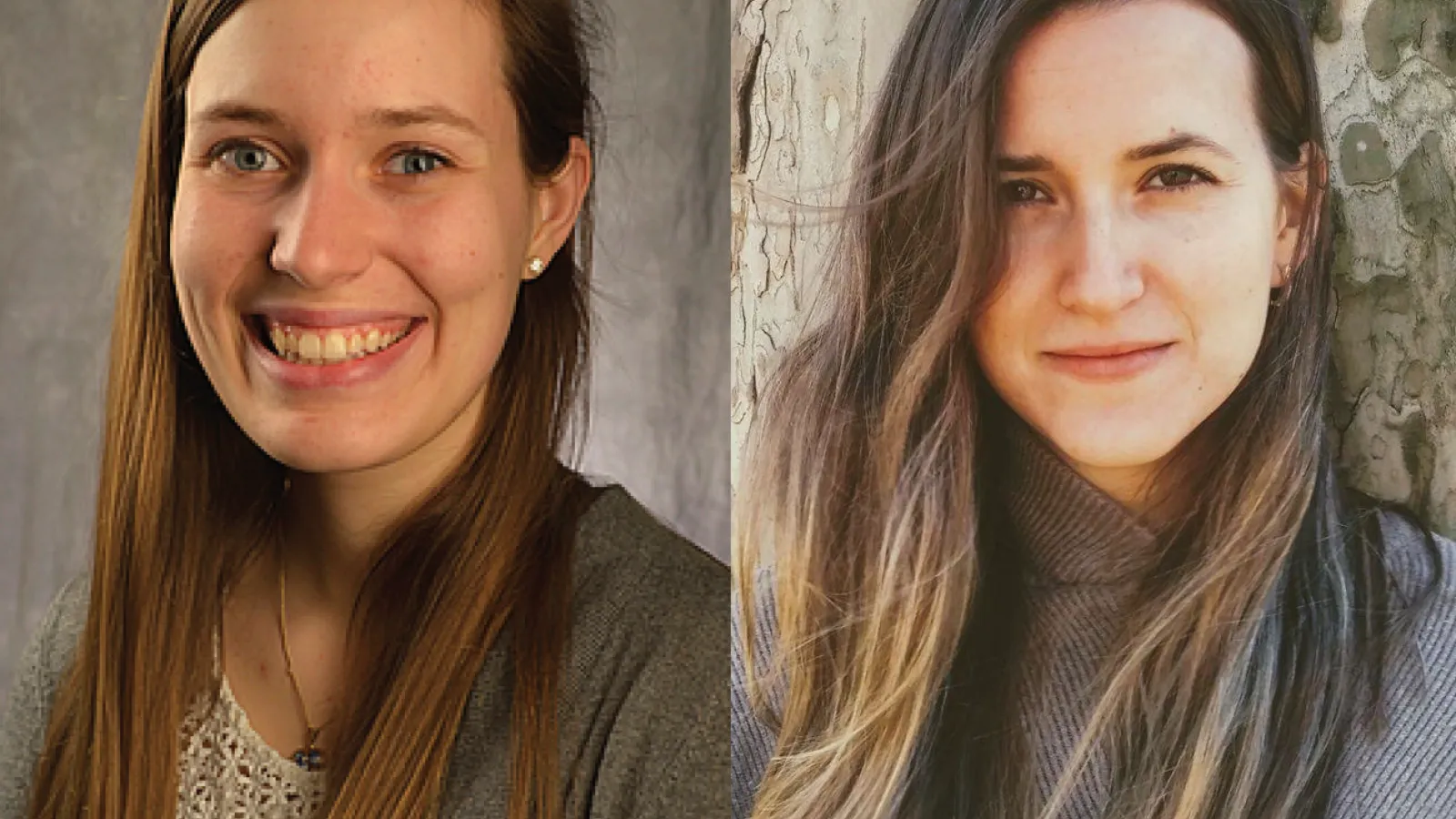
CCAPP is proud to announce the winners of the 2019 Price Prize in Cosmology and Astrophysics!
Carolyn Raithel (Arizona) and Shany Danieli (Yale)
Carolyn’s research focuses on the…
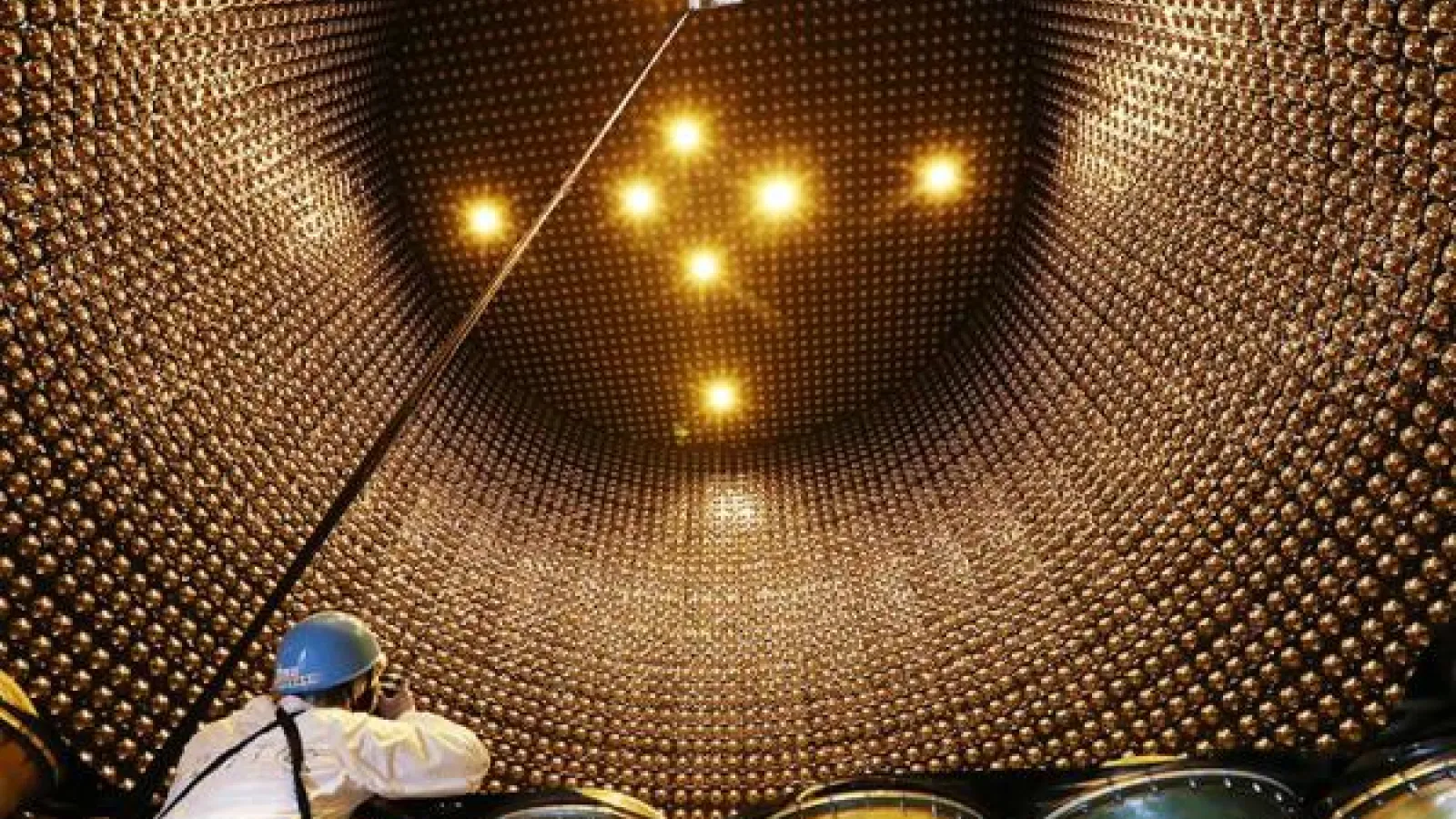
Welcome to my secret underground lair,’ he [Professor Mark Vagins] tells me as we get to his lab.” A new essay with spectacular photos shows the inside of the Super-Kamiokande neutrino detector…

(Originally posted http://newsarama.com)
Marvel Studios' $1.1 billion dollar global hit Captain Marvel debuts on digital platforms Tuesday, May 28, which will of course include the mid-credits…
(Originally posted to http://quantamagazine.org)
The sun radiates far more high-frequency light than expected, raising questions about unknown features of the sun’s magnetic field and the…
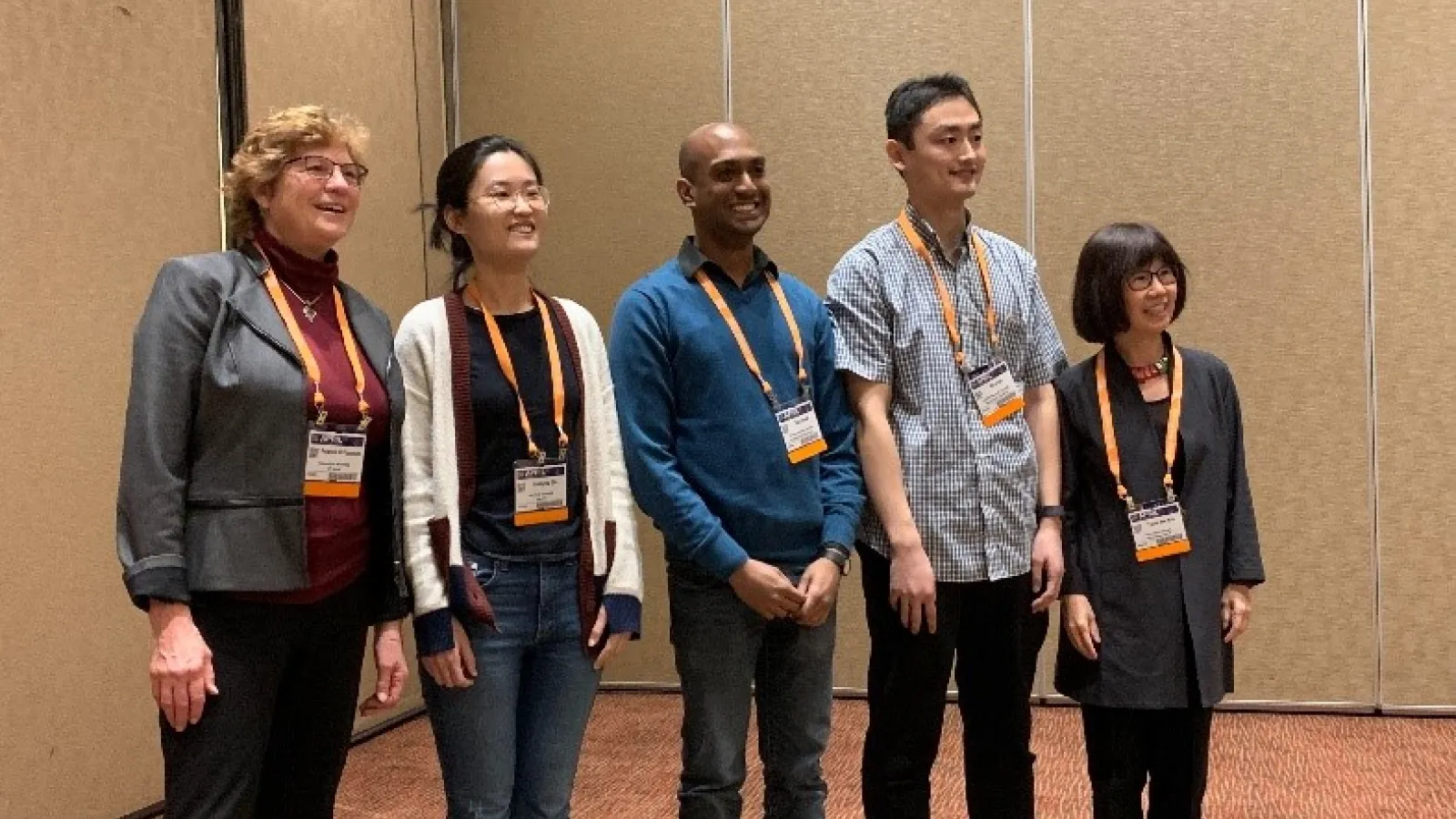
Bei Zhou and Guanying Zhu of Ohio State University participated in the DPF Grand Slam at the APS meeting in Denver in April and were two of the three winners. More Info: DPF Newsletter
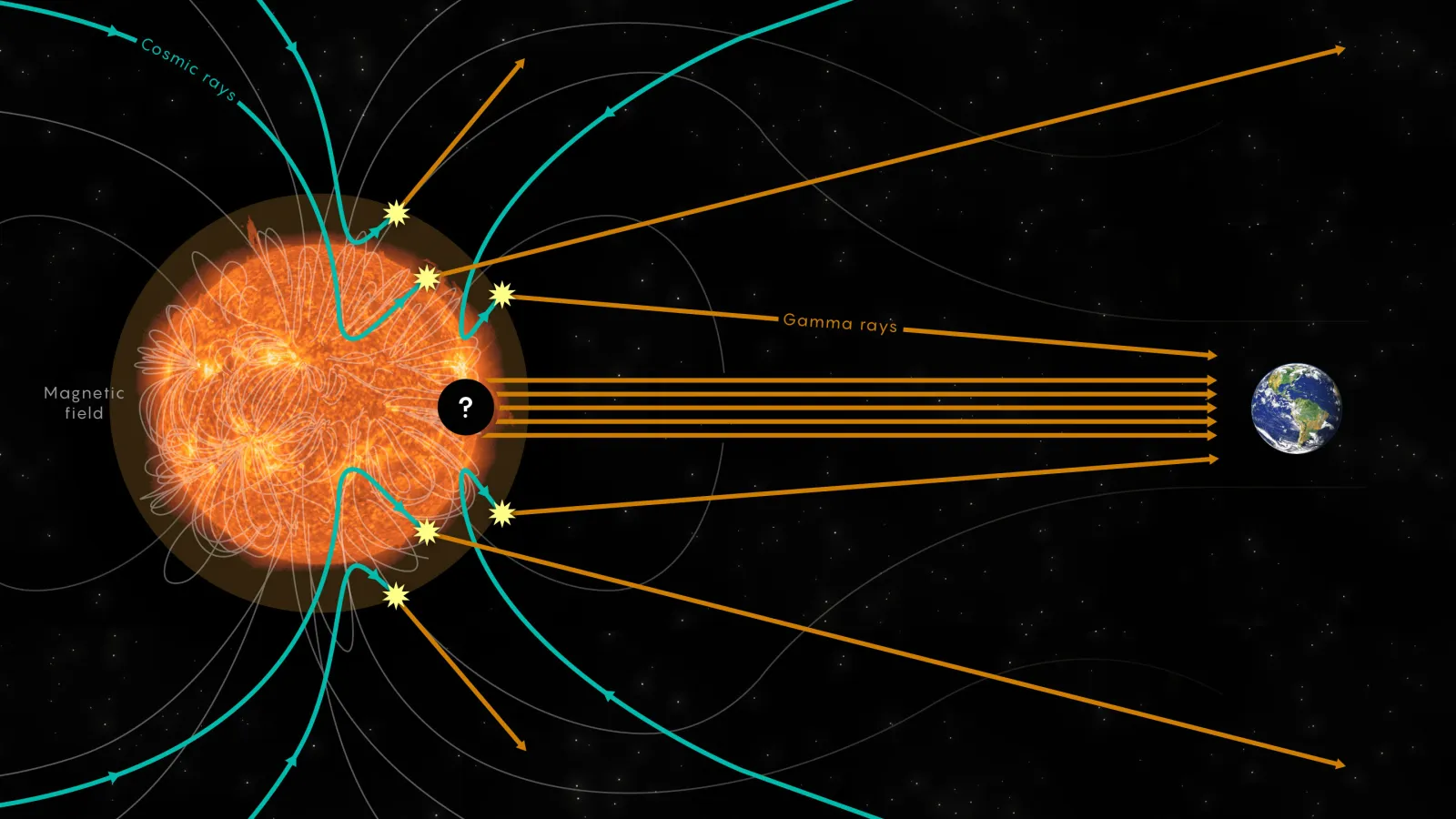
The sun radiates far more high-frequency light than expected, raising questions about unknown features of the sun’s magnetic field and the possibility of even more exotic physics. Read More- Link
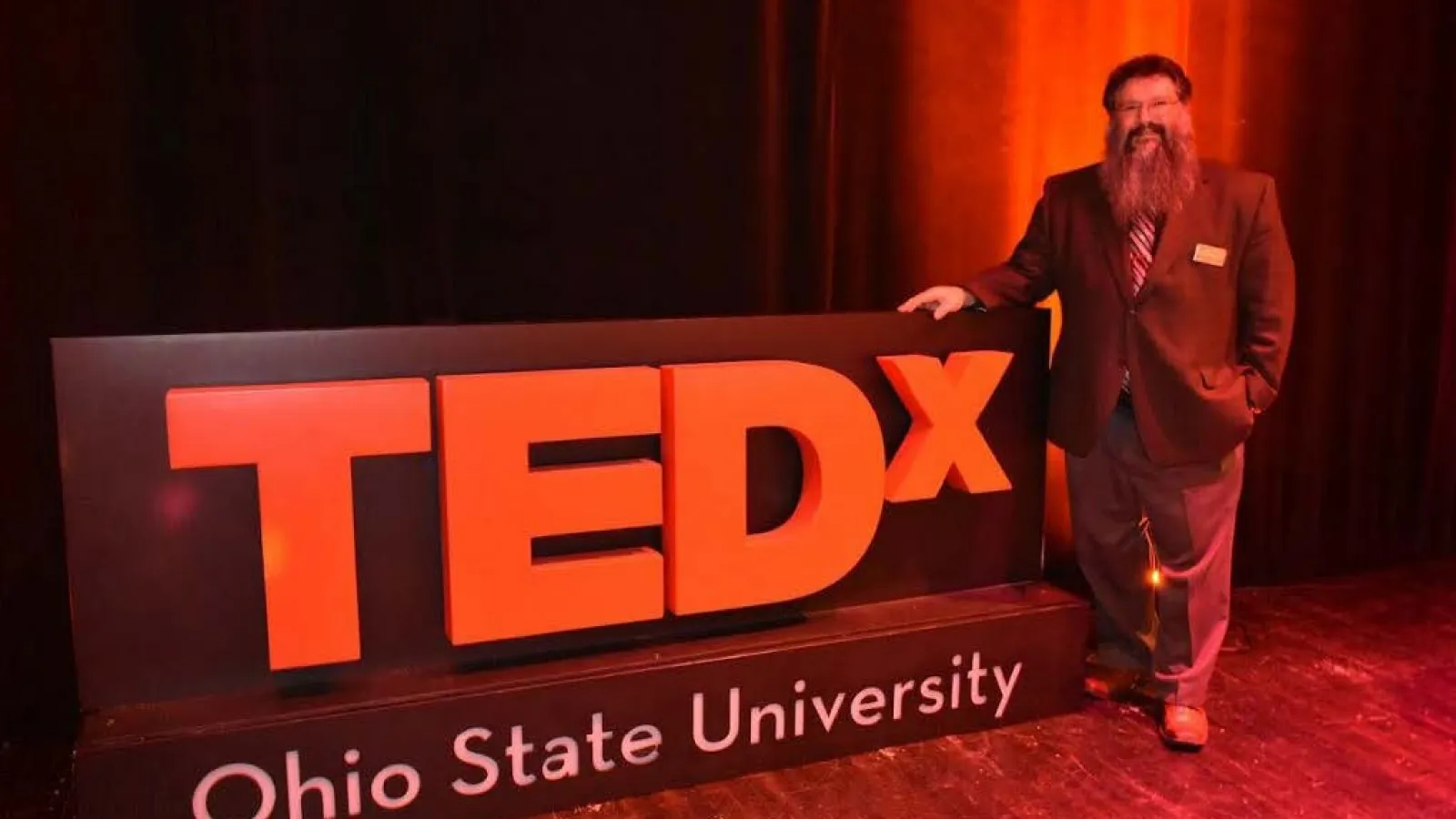
Michael Stamatikos speaks about the importance of science to society, the STEM Syndrome which plagues our nation and how places like the Scidome can be a solution to this epidemic. Dr. Michael…
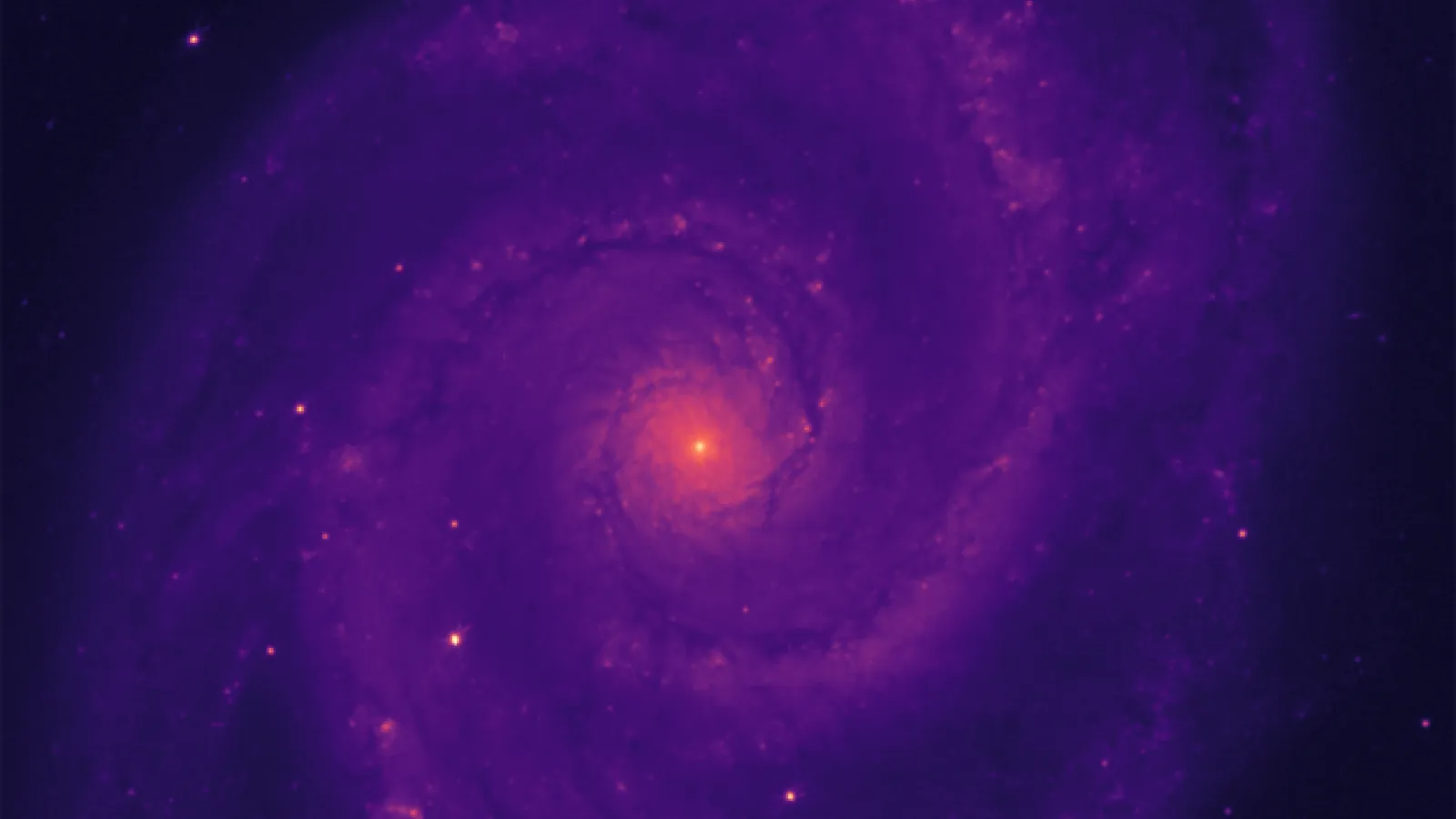
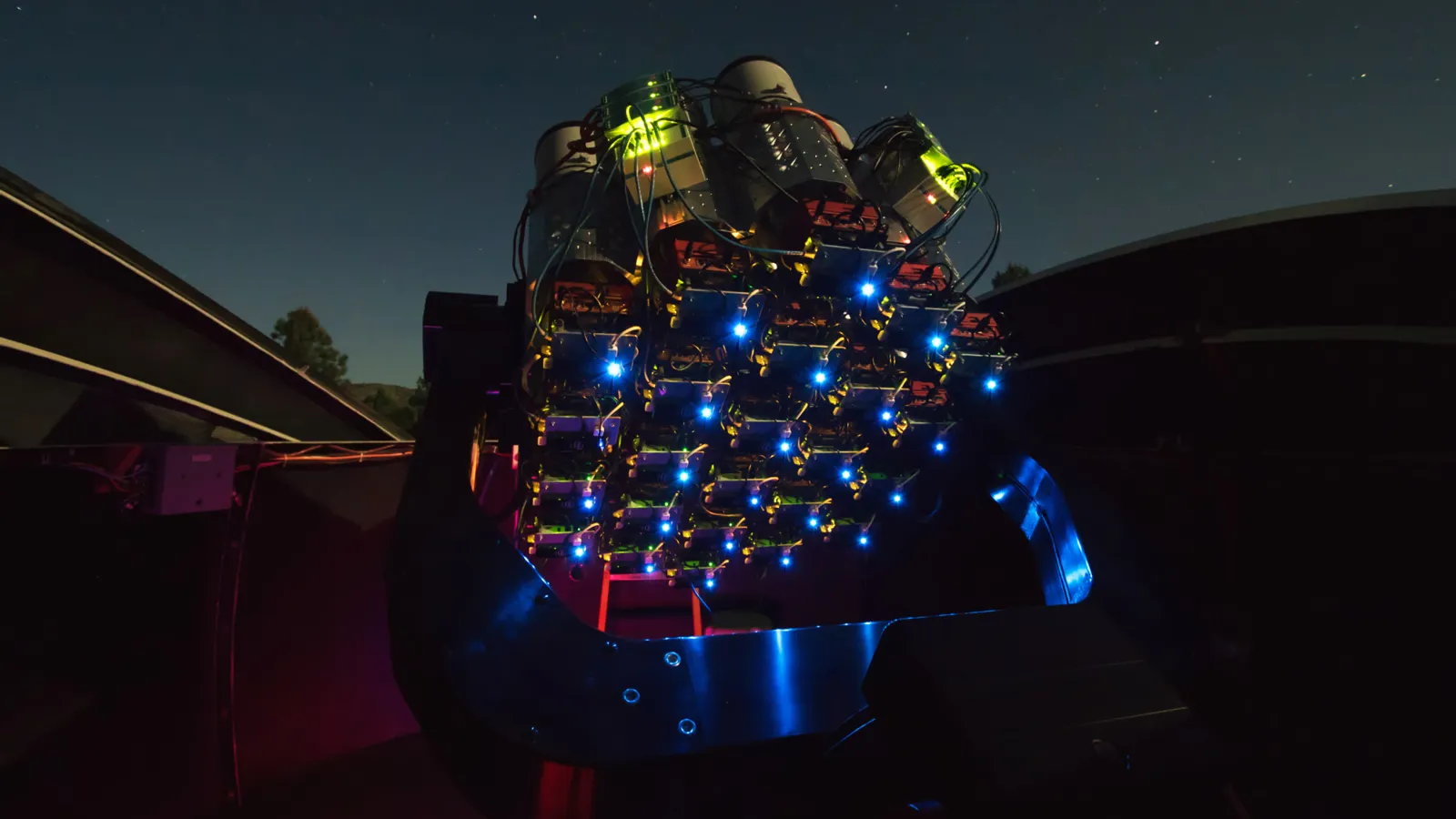
On April 1, the dome of the Mayall Telescope near Tucson, Arizona, opened to the night sky, and starlight poured through the assembly of six large lenses that were carefully packaged and aligned for…
(Originally posted to http://quantamagazine.org)
Paradoxically, a small galaxy that seems to contain none of the invisible stuff known as “dark matter” may help prove that it exists.
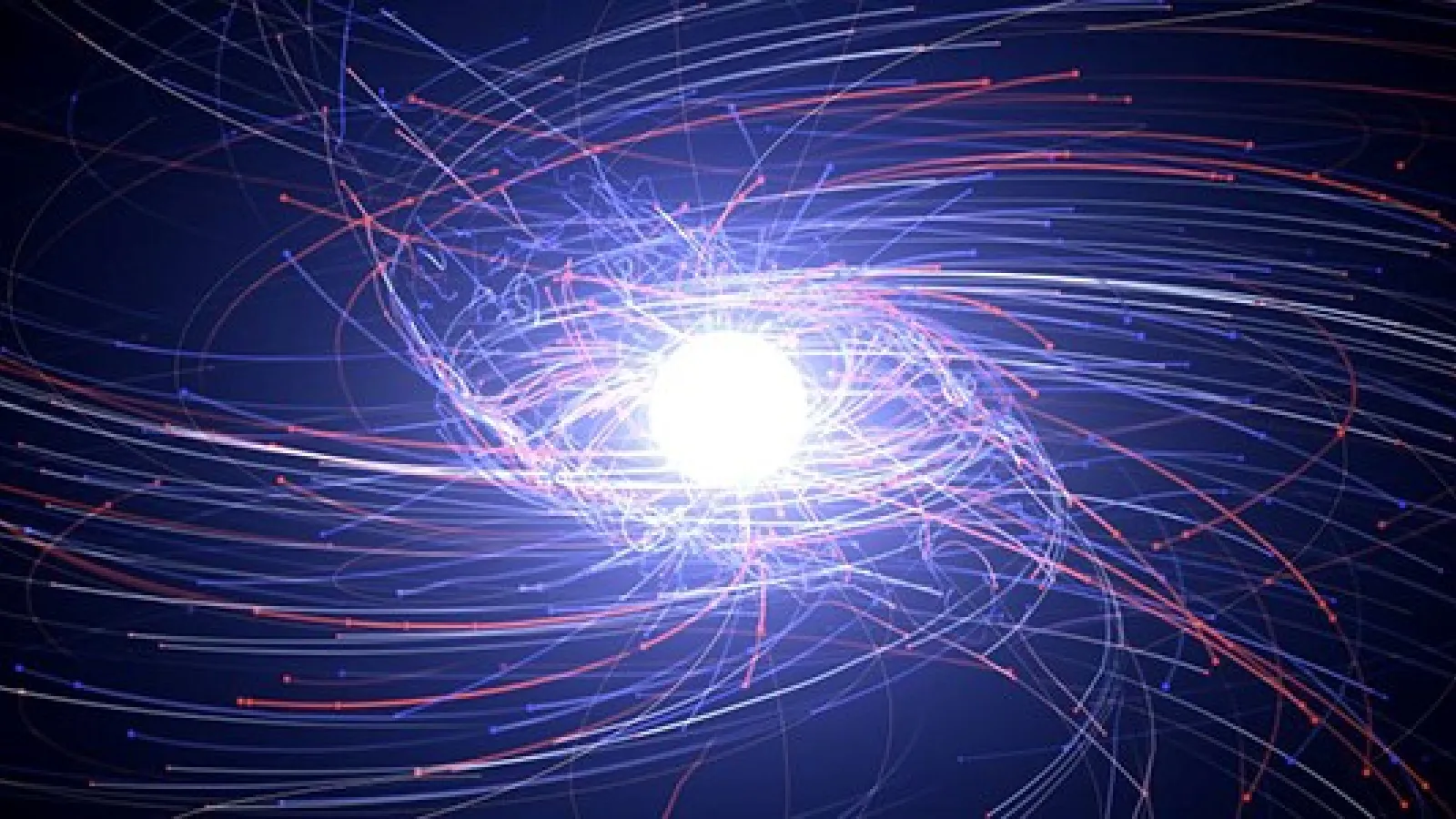
The universe ought to be swimming with antimatter, and scientists aren't quite sure where it all went. Paul Sutter, community outreach coordinator at the Center for Cosmology and…
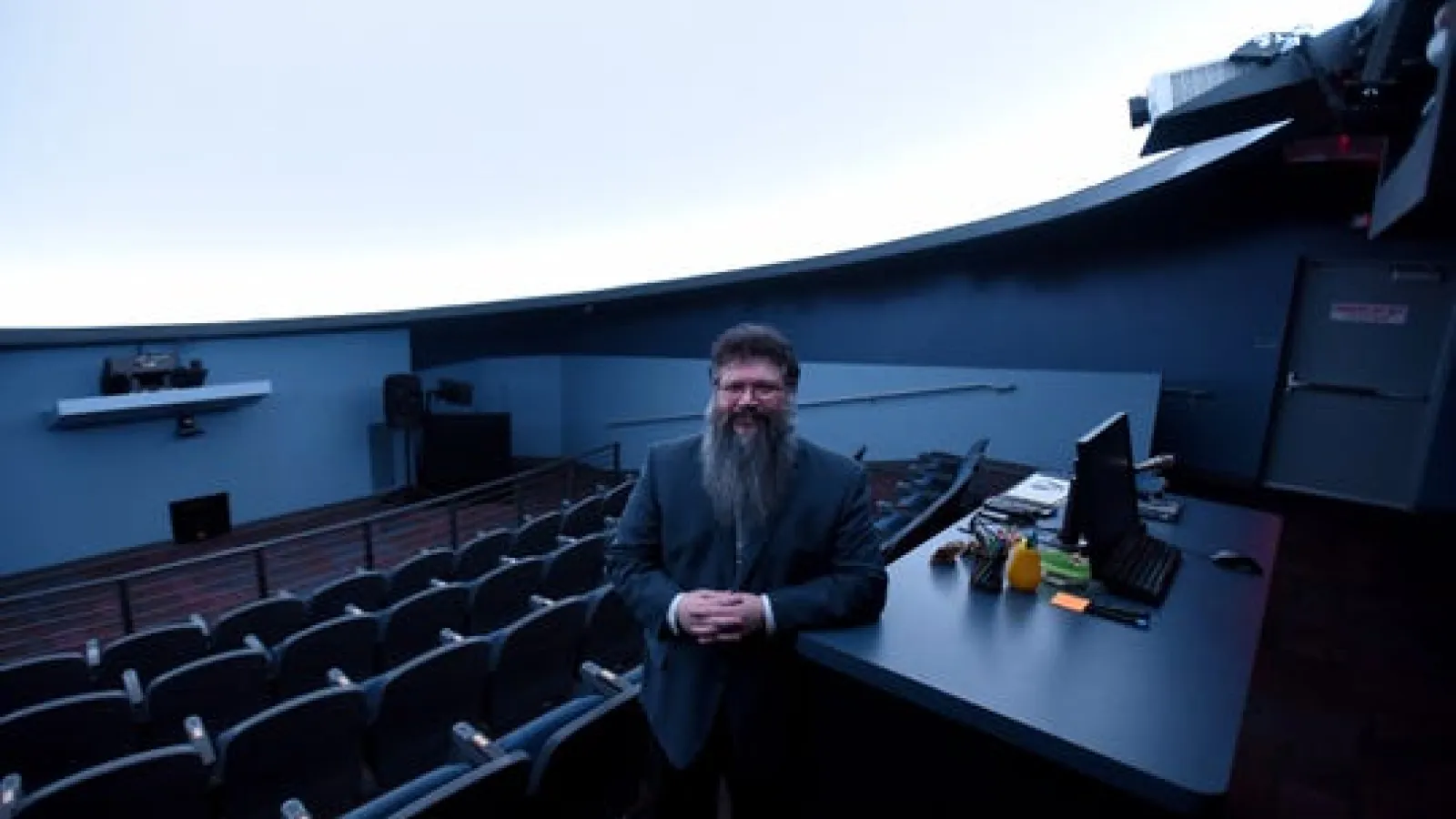
NEWARK – Michael Stamatikos loves science. And that may be a bit of an understatement. He teaches, for instance, physics and astronomy at OSU’s Newark campus. “Mike is passionate,” assessed William…
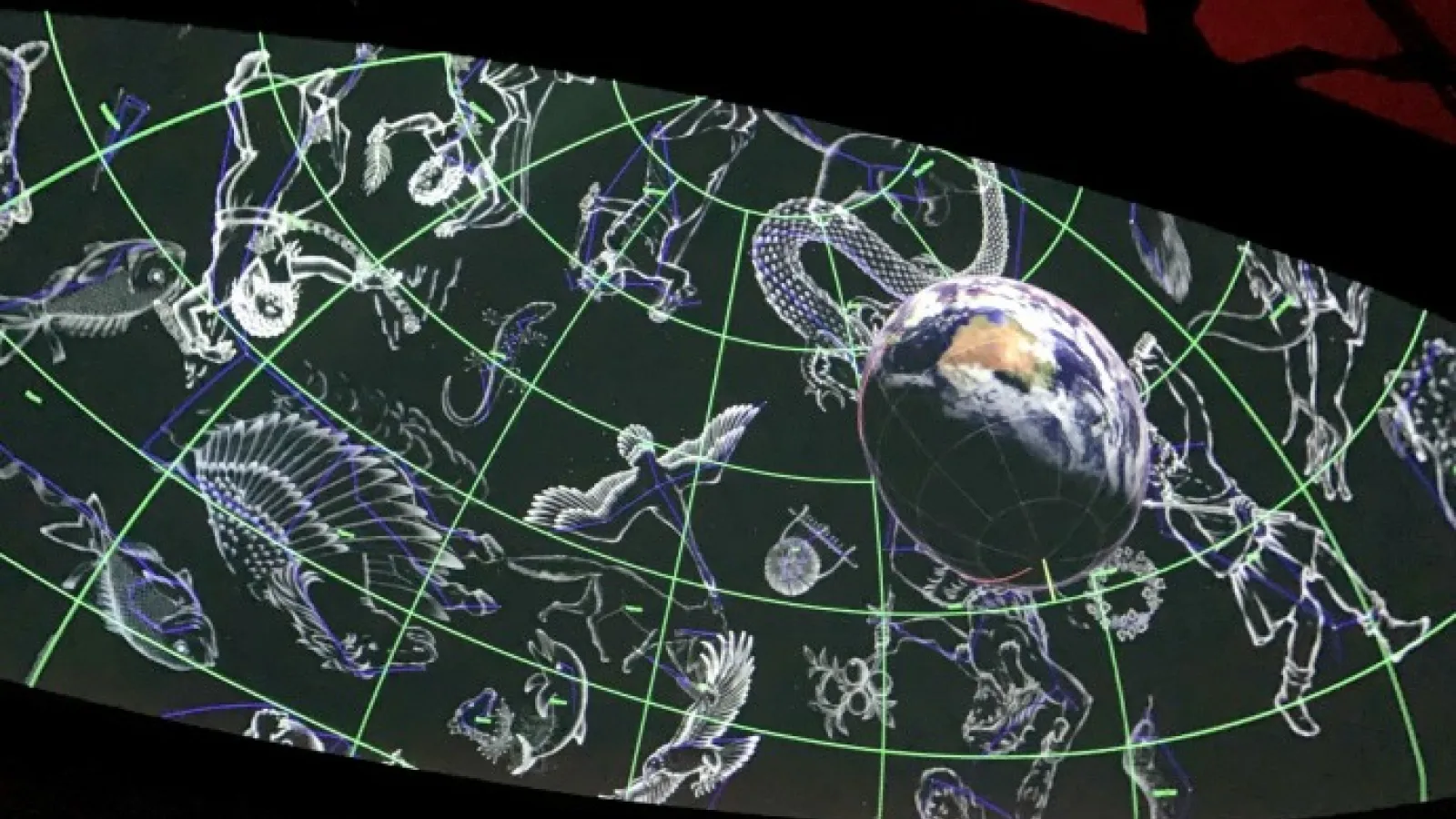
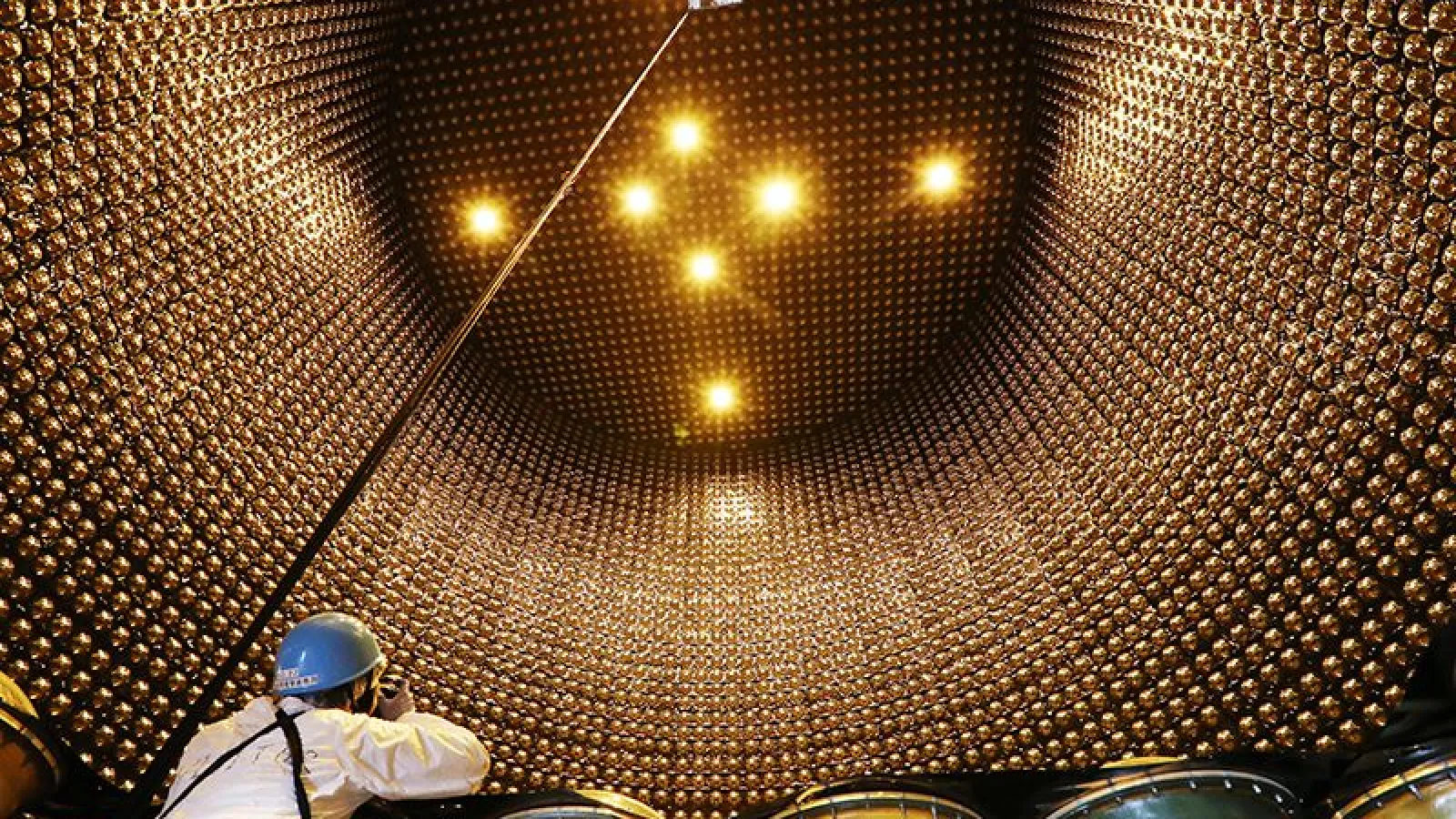
Recent upgrades to the Super-Kamiokande neutrino observatory will allow it to trace the history of exploding stars.
A research initiative co-led by John Beacom, professor…
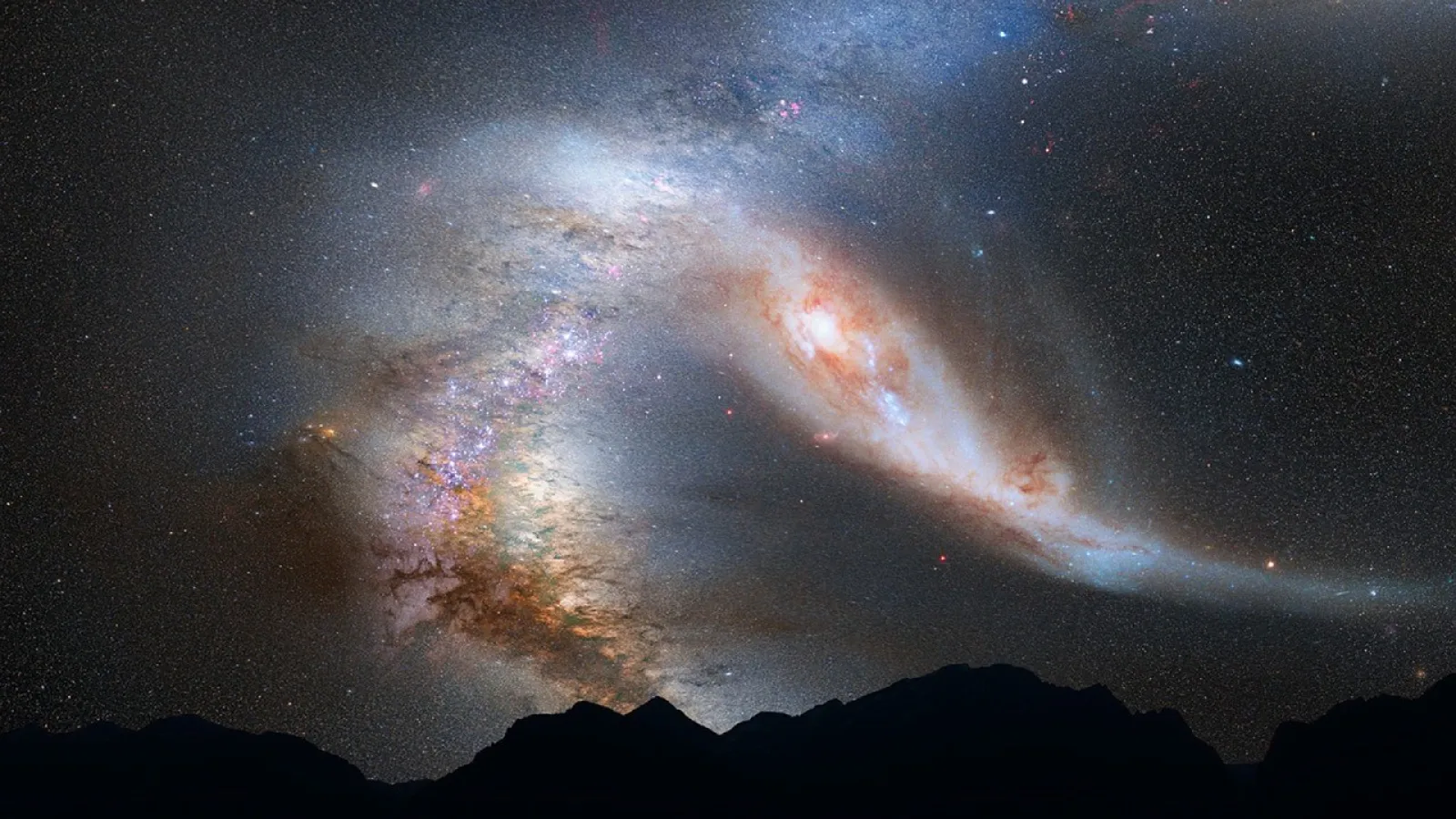
The study, by a team of astronomers at The Ohio State University, provides the most detailed estimates to date of the potential reach of the Wide Field Infrared Survey Telescope mission (nicknamed…
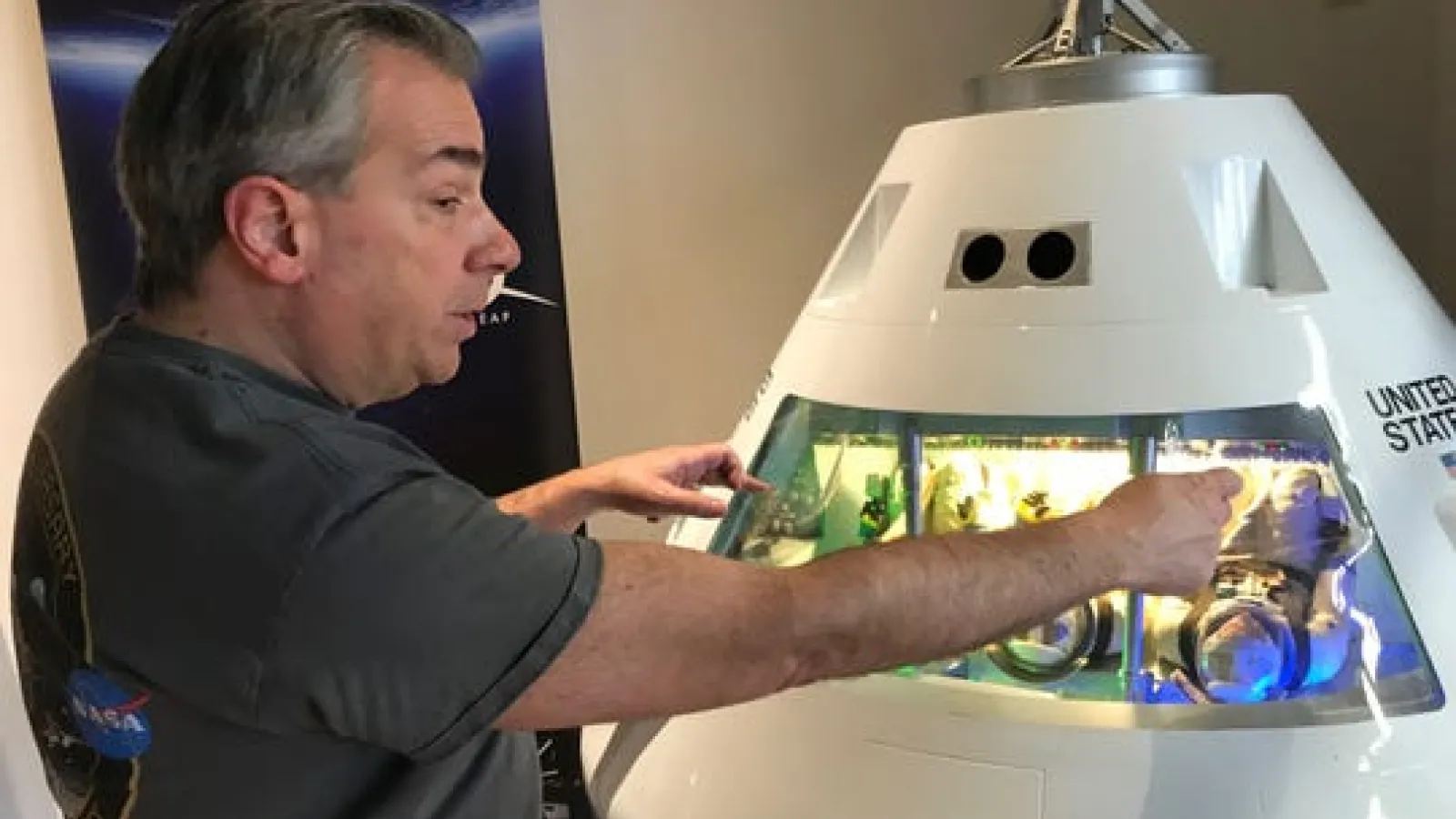
NEWARK - NASA's "Apollo and the Next Giant Leap" exhibit at The Works was delayed by a month due to the government shutdown. But timing is everything. As STEMfest (Science, Technology, Education and…

Research Corporation for Science Advancement (RCSA), America's first foundation dedicated wholly to science, announces 24 recipients of its 2019 Cottrell Scholar Awards. These Awards provide $100…
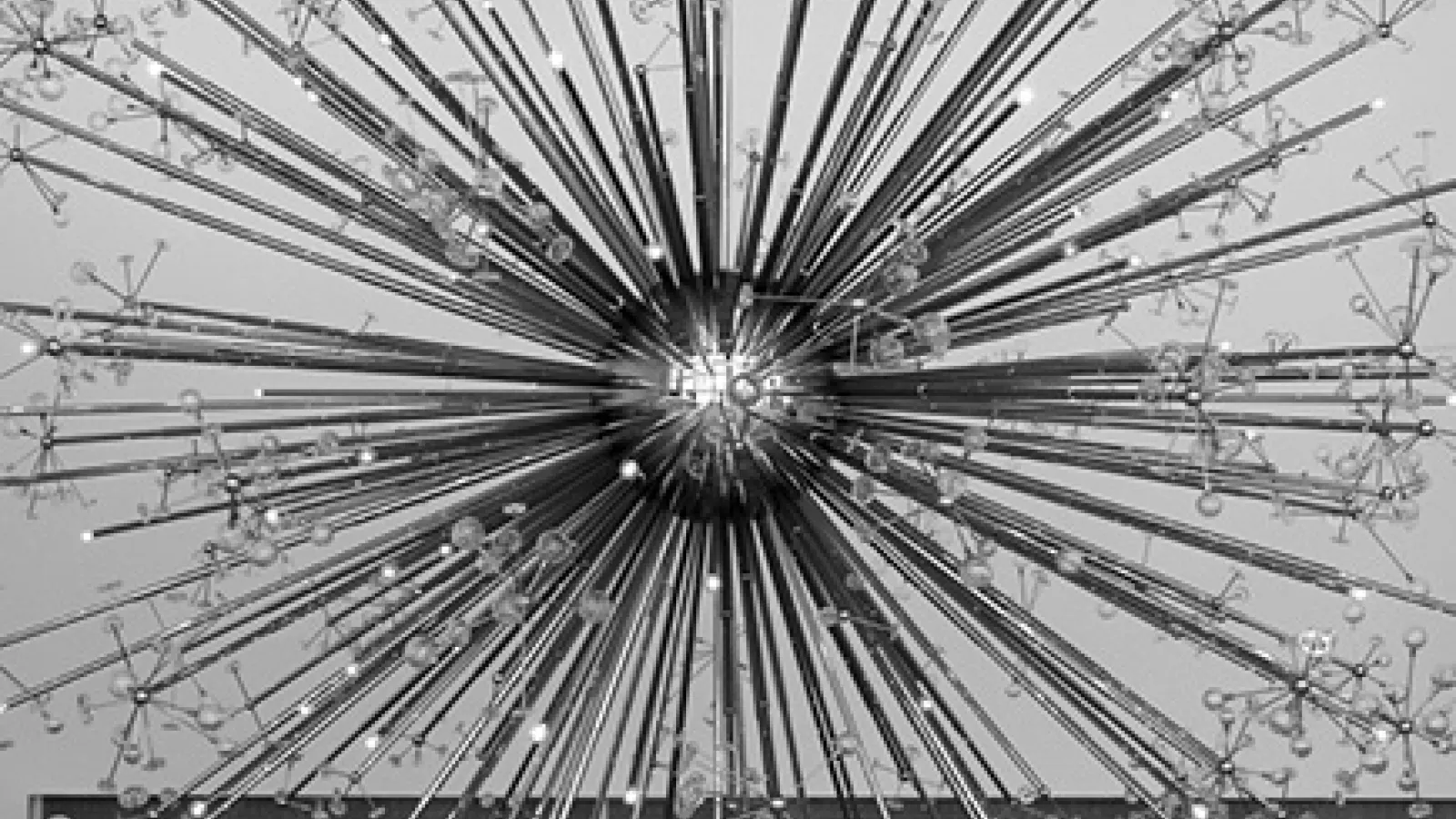
Chair of the Department of Astronomy David Weinberg discusses his collaboration with artist Josiah McElheny on a sculpture that represents five ways a universe…
Dr. Michael Stamatikos is an Assistant Professor of Physics & Astronomy at The Ohio State University and an astrophysicist affiliated with NASA’s Goddard Space Flight Center. Stamatikos is the…
(Originally posted to http://news.osu.edu)
The composition of the universe—the elements that are the building blocks for every bit of matter—is ever-changing and ever-evolving, thanks to the…
Fifteen graduate students in the College of Arts and Sciences have received an autumn 2018 Presidential Fellowship, the most prestigious award given by the Graduate School at Ohio State.
(Originally posted http://thespacereview.com)
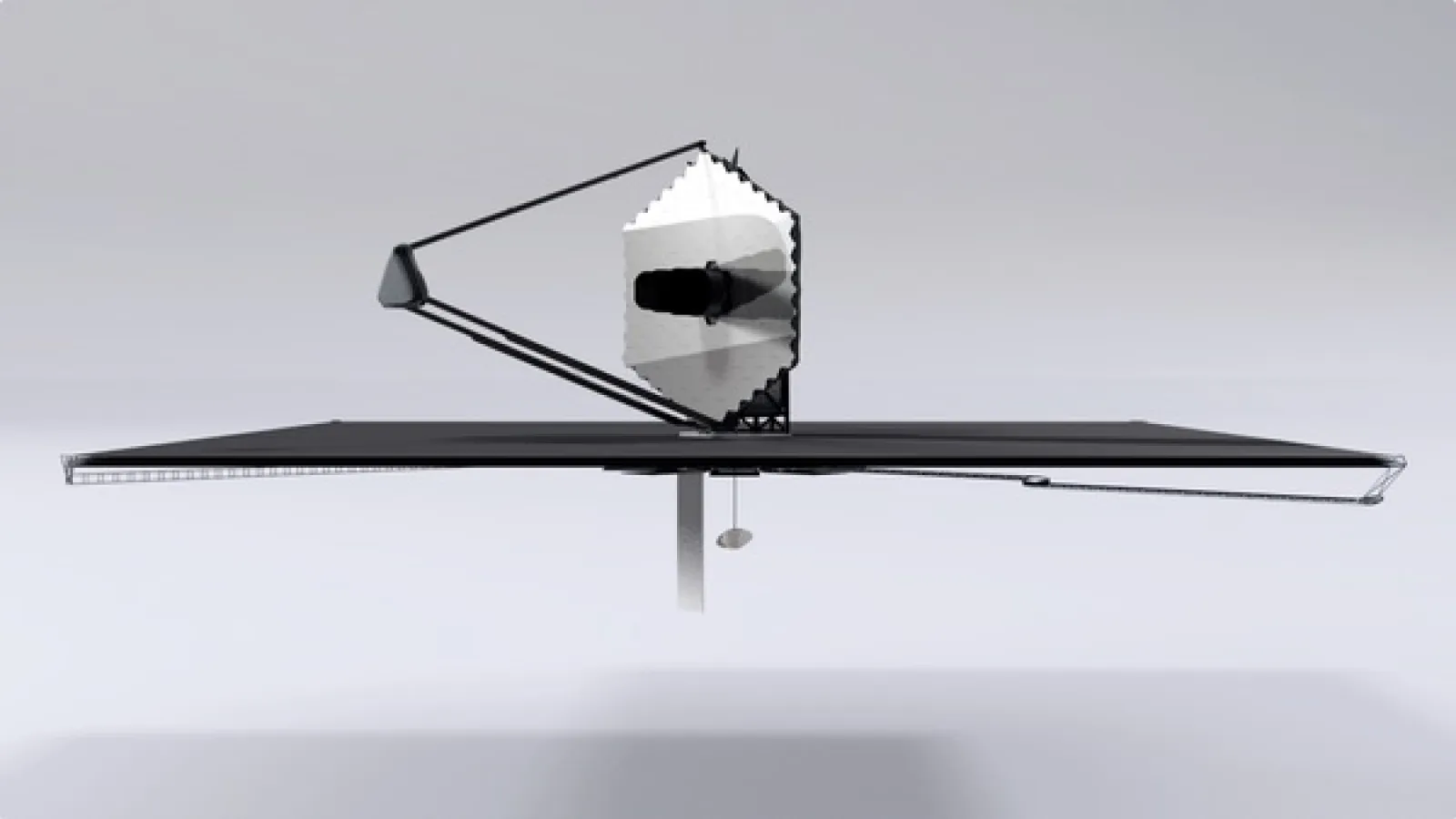
An incident last week provided a reminder of the importance of being able to repair space telescopes. The Wide Field Camera 3 (WFC3), one of…
(Originally posted to http://newswise.com)
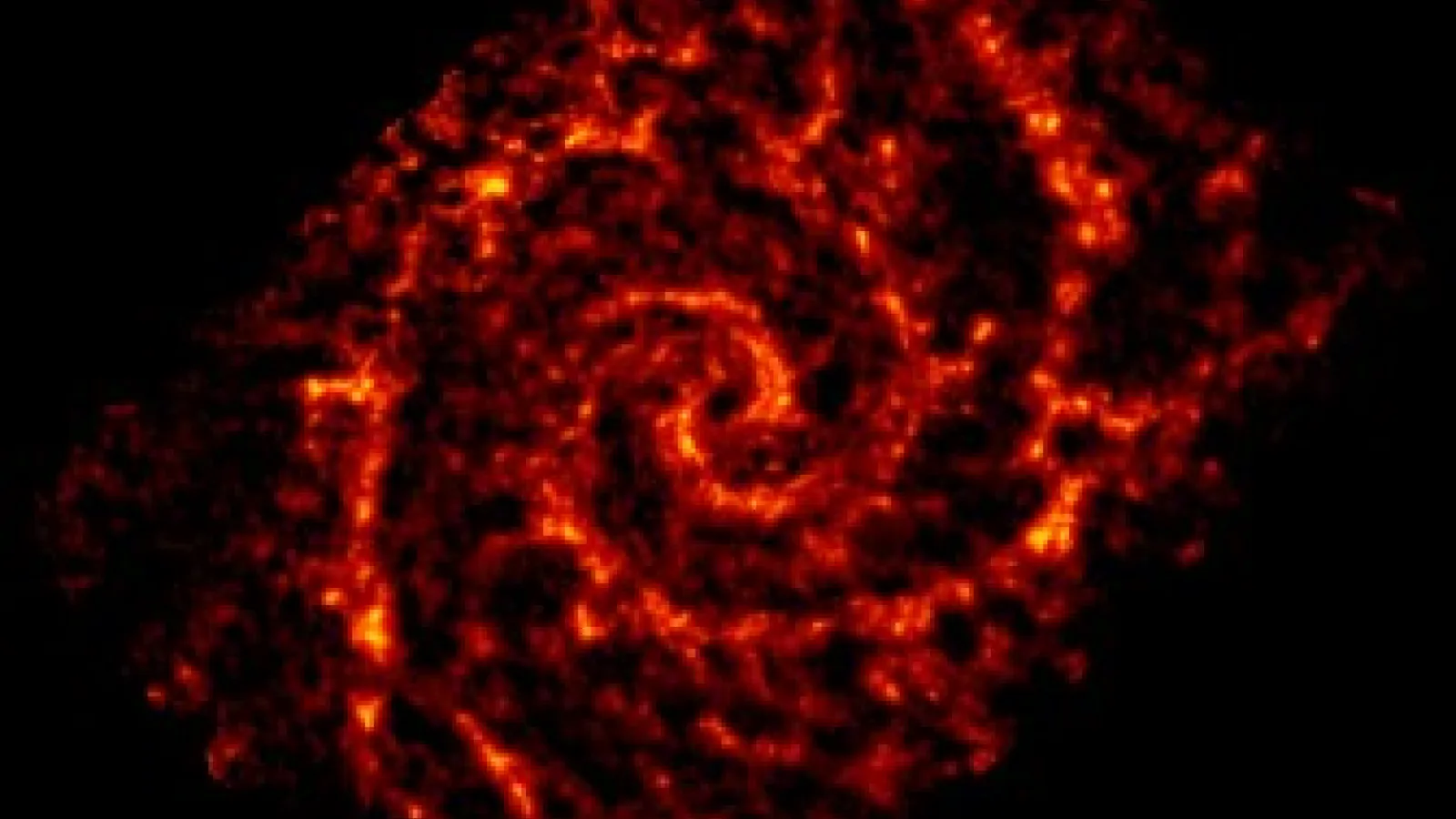
ALMA Sinks Its PHANGS into the Relationship between Star-forming Clouds and Their Host Galaxies Galaxies come in a wide variety of shapes and sizes…
(Originally posted http://byrd.osu.edu/news)
Atmospheric mineral nanoparticles in Antarctic ice during the last climatic cycle
A National Science Foundation grant has been awarded…
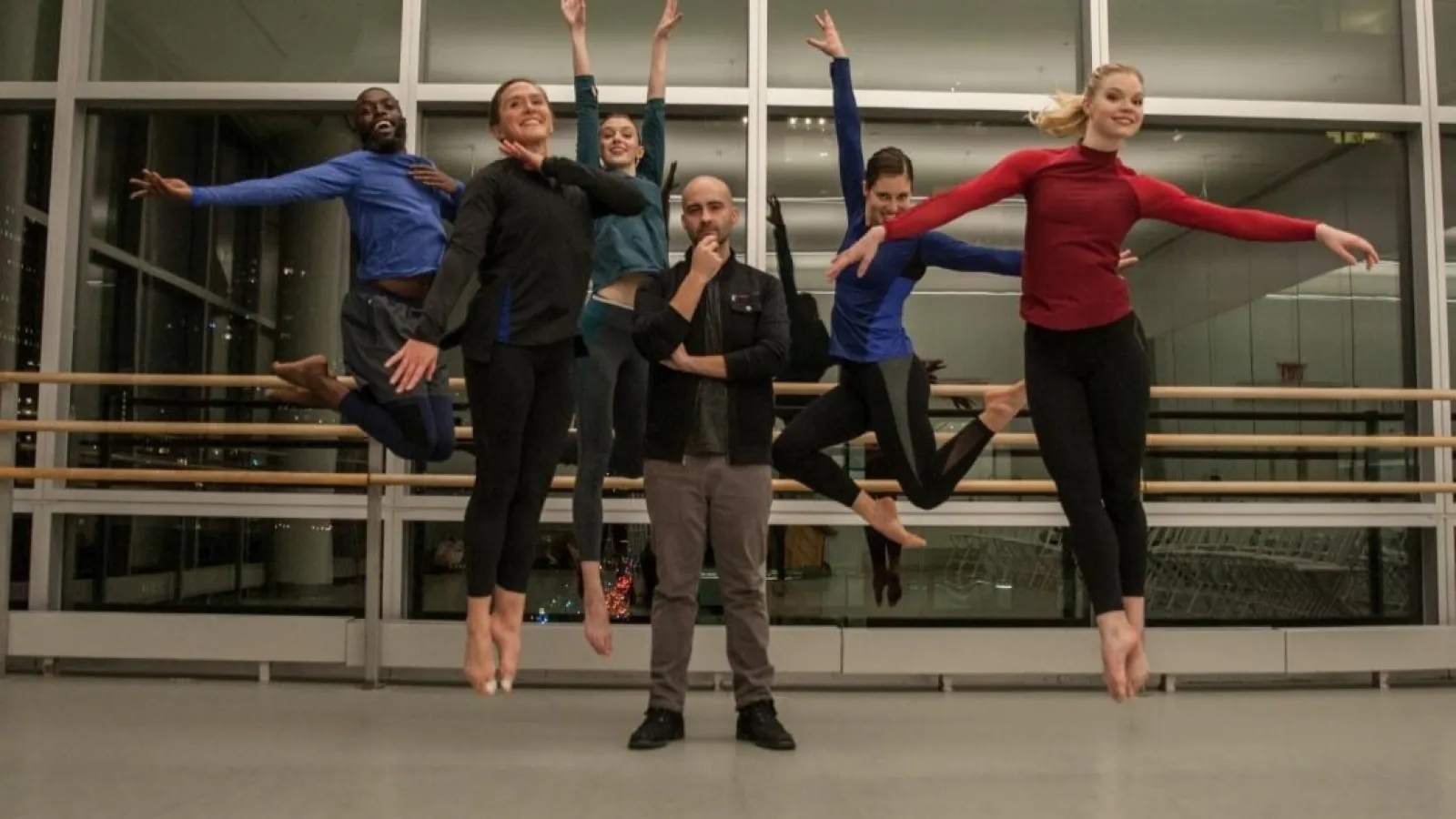
At their first studio showing on December 1st, SYREN Modern Dance and Paul Sutter traveled through narrativesequences and robust movement throughout "Ticktock", an exploration of time rooted in…
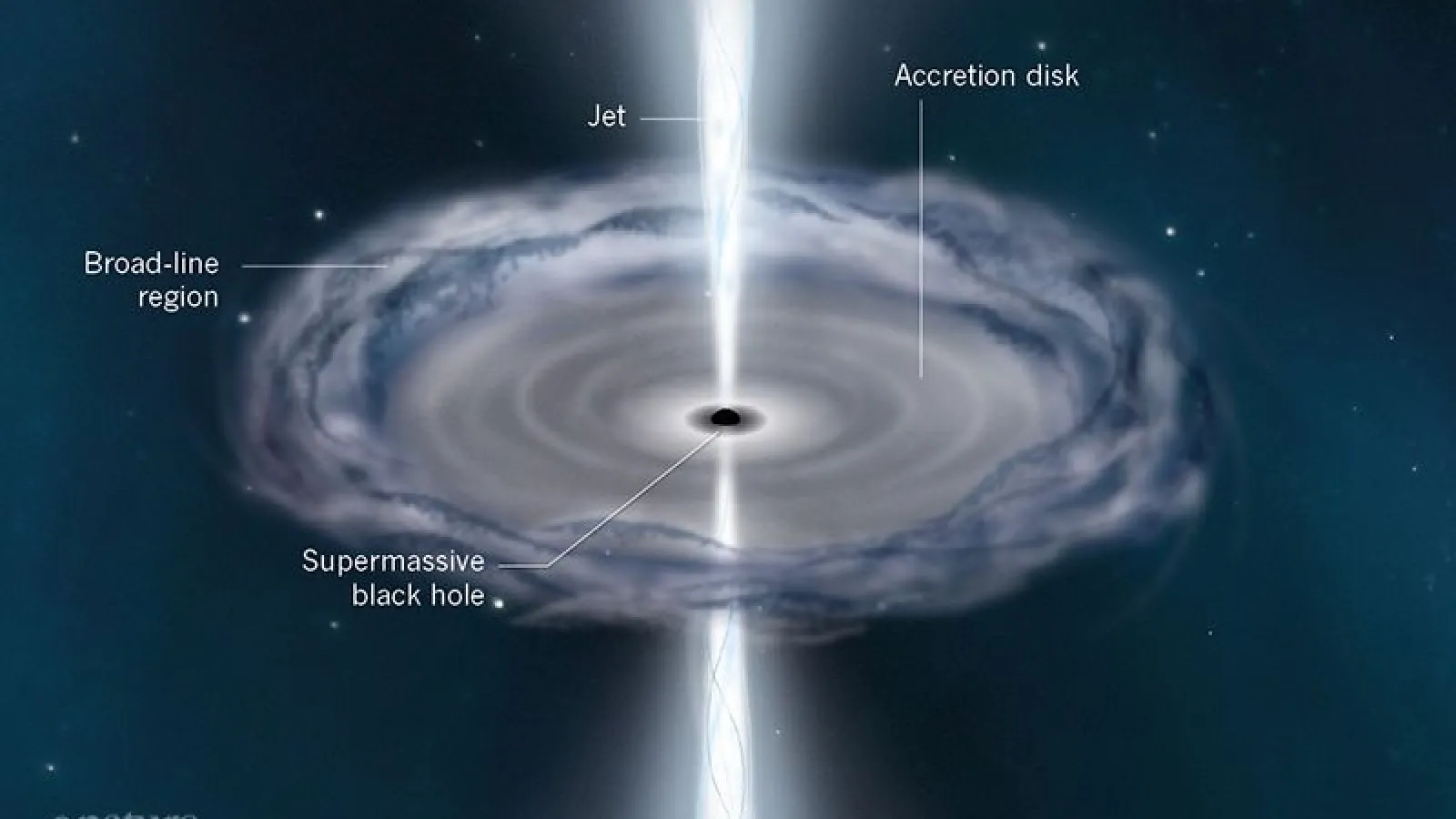
A new study involving Bradley Peterson, professor emeritus of astronomy, provides the most detailed view yet of the gas clouds swirling around a black hole at the center of a distant quasar. The…

(Originally posted to News and Updates from the College of Arts and Sciences Newsletter)
The key to finding extraterrestrial life could lie in clues within the atmospheres of exoplanets. Ji…

Nobel Laureate Professor Rai Weiss from MIT presents the 56th annual Smith Lecture on October 17, 2018.
Video
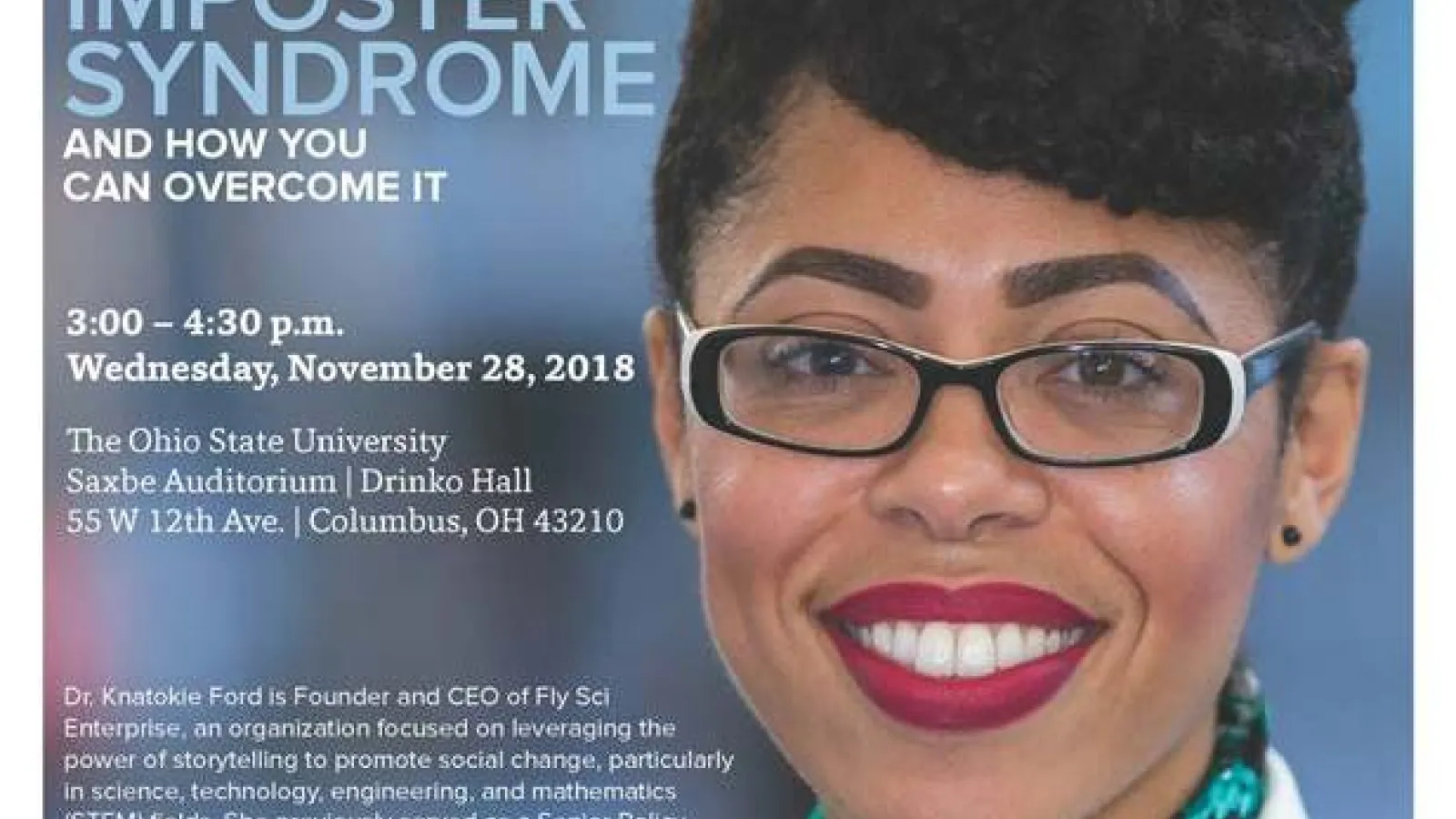
CCAPP is delighted to co-sponsor the talk "Imposter Syndrome and How You Can Overcome It" with Dr. Knatokie Ford on Wednesday, November 28, 2018. , November 28, 2018
(Originally posted http://phys.org/news)
A new study led by ANU has investigated the nature of a cosmic phenomenon that slows down star formation, which helps to ensure the universe is a place…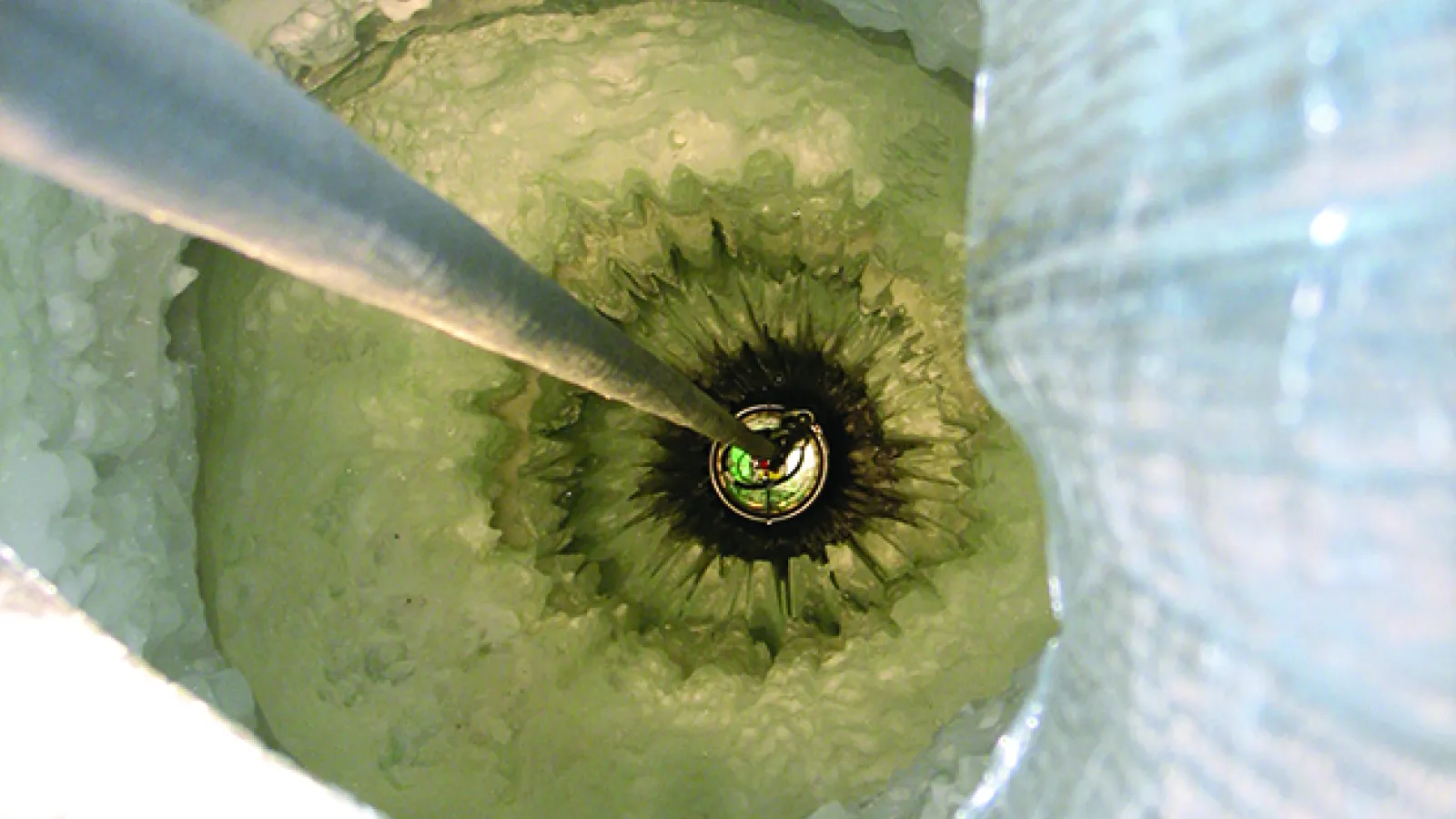
What could be more daunting than searching for an invisible particle — one so elusive that physicists had no evidence of its existence until 1956? This is just the kind of challenge that Ohio…
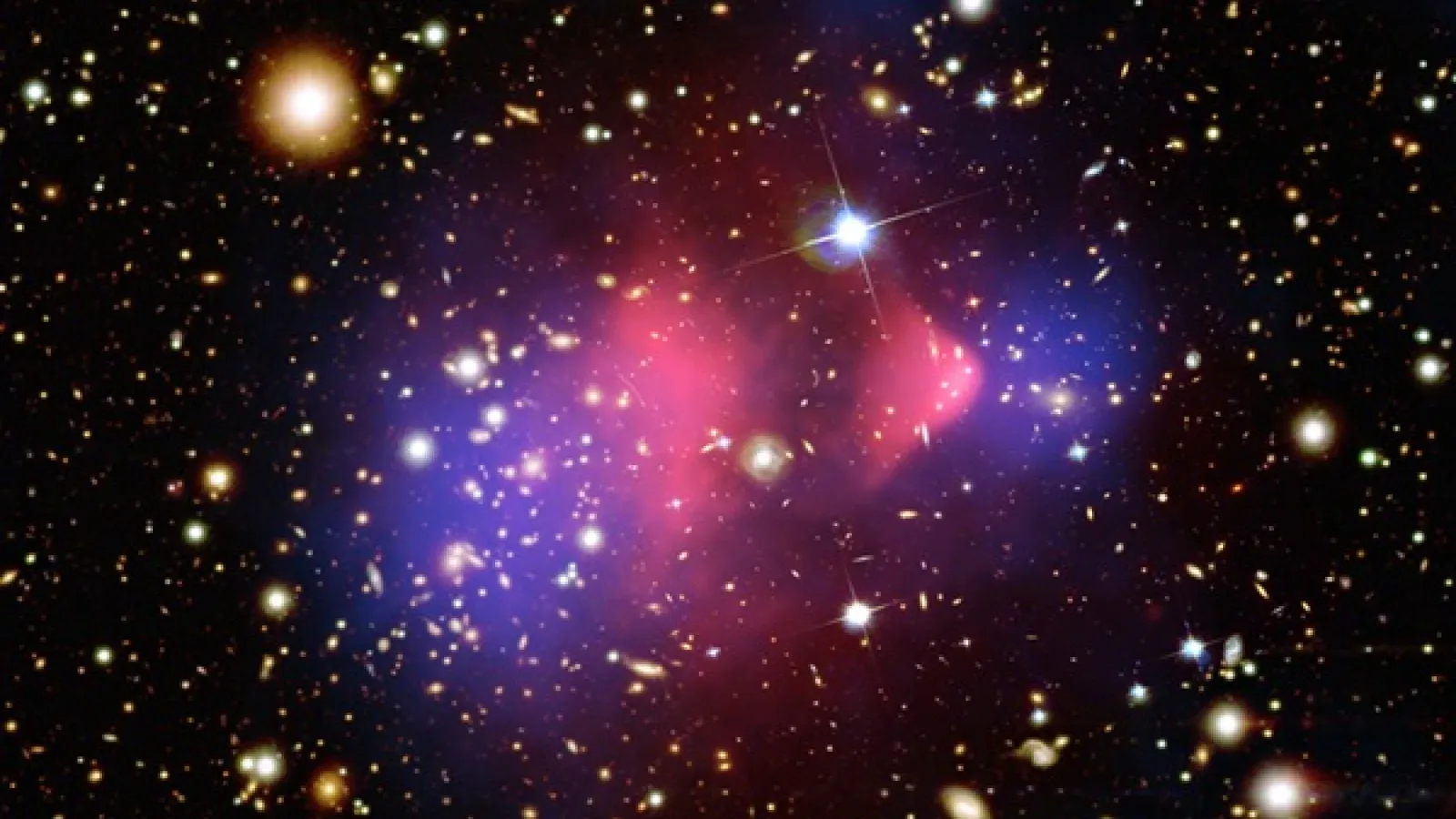
Numerous experiments have been dedicated to the search for dark matter, but the strange substance remains frustratingly elusive. Annika Peter, assistant professor, physics,…
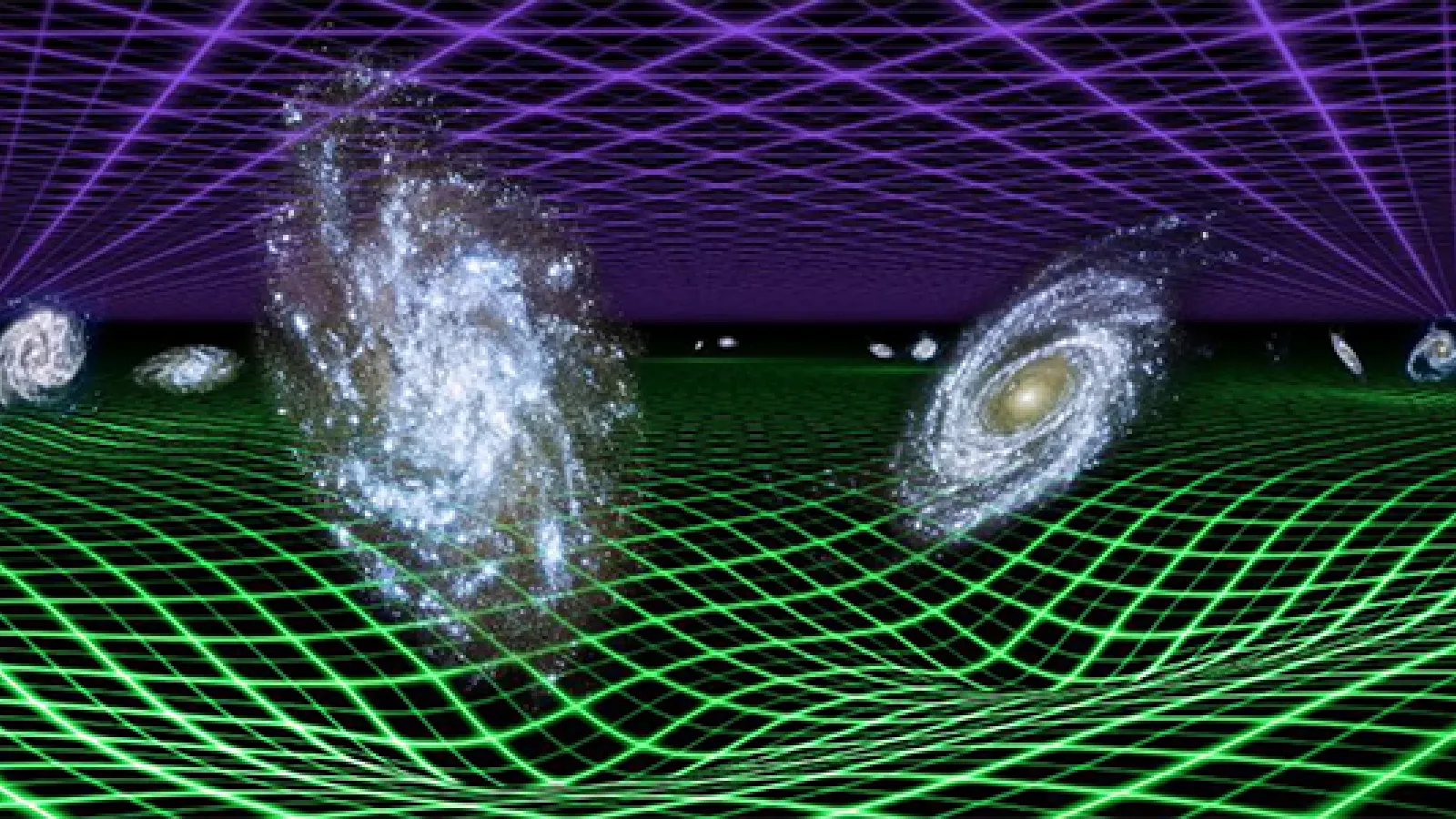
Paul Sutter, community outreach coordinator for the Center for Cosmology and AstroParticle Physics, explains one of the biggest puzzles in modern physics.
Read more
…
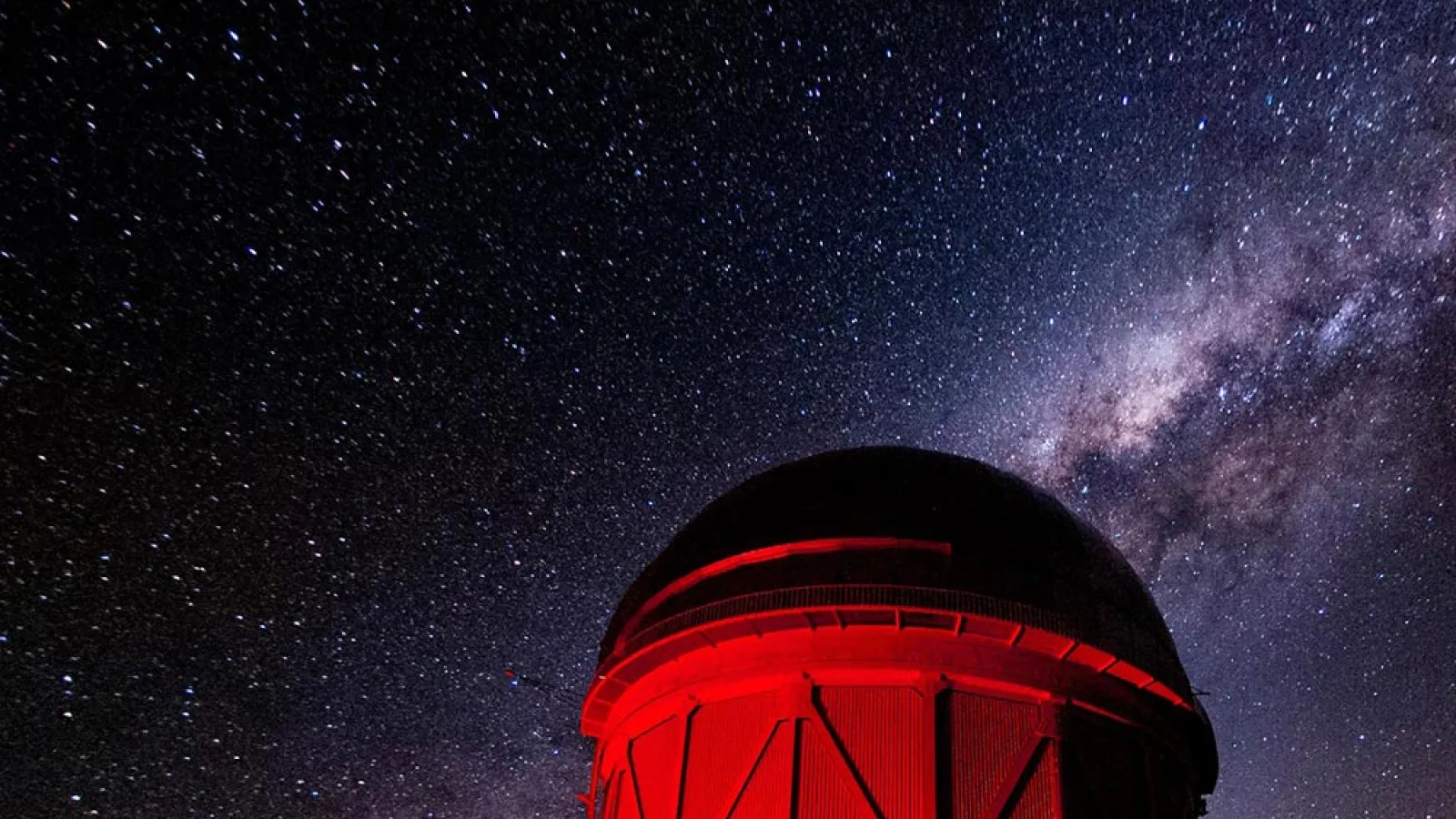
One year ago the Dark Energy Survey (DES) released the initial cosmological results from its first year of data using a combined analysis of weak gravitational lensing and the clustering of large…
In Prof. John Beacom’s introductory physics course, a student made a short video of him doing a lecture demonstration. This was uploaded to a Chinese social-media site, where it went viral, so far…
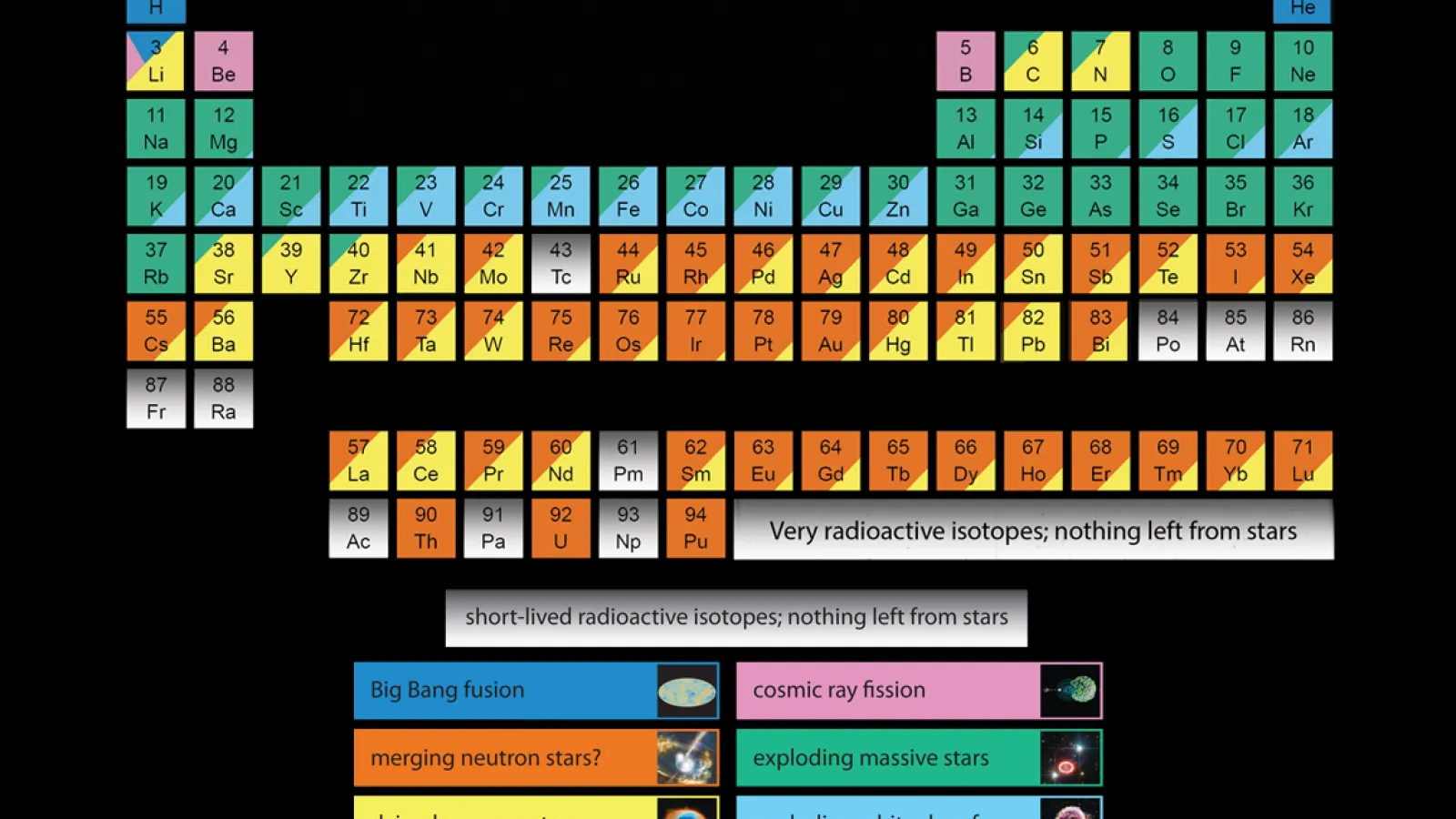
Astronomy professor Jennifer Johnson created a version of the periodic table that color codes the elements by their cosmic origins.
View the table and read the article here…
John Beacom, College of Arts and Sciences Distinguished Professor of Physics and Astronomy and Director of the Center for Cosmology and Astro-Particle Physics (CCAPP) has been named the second…
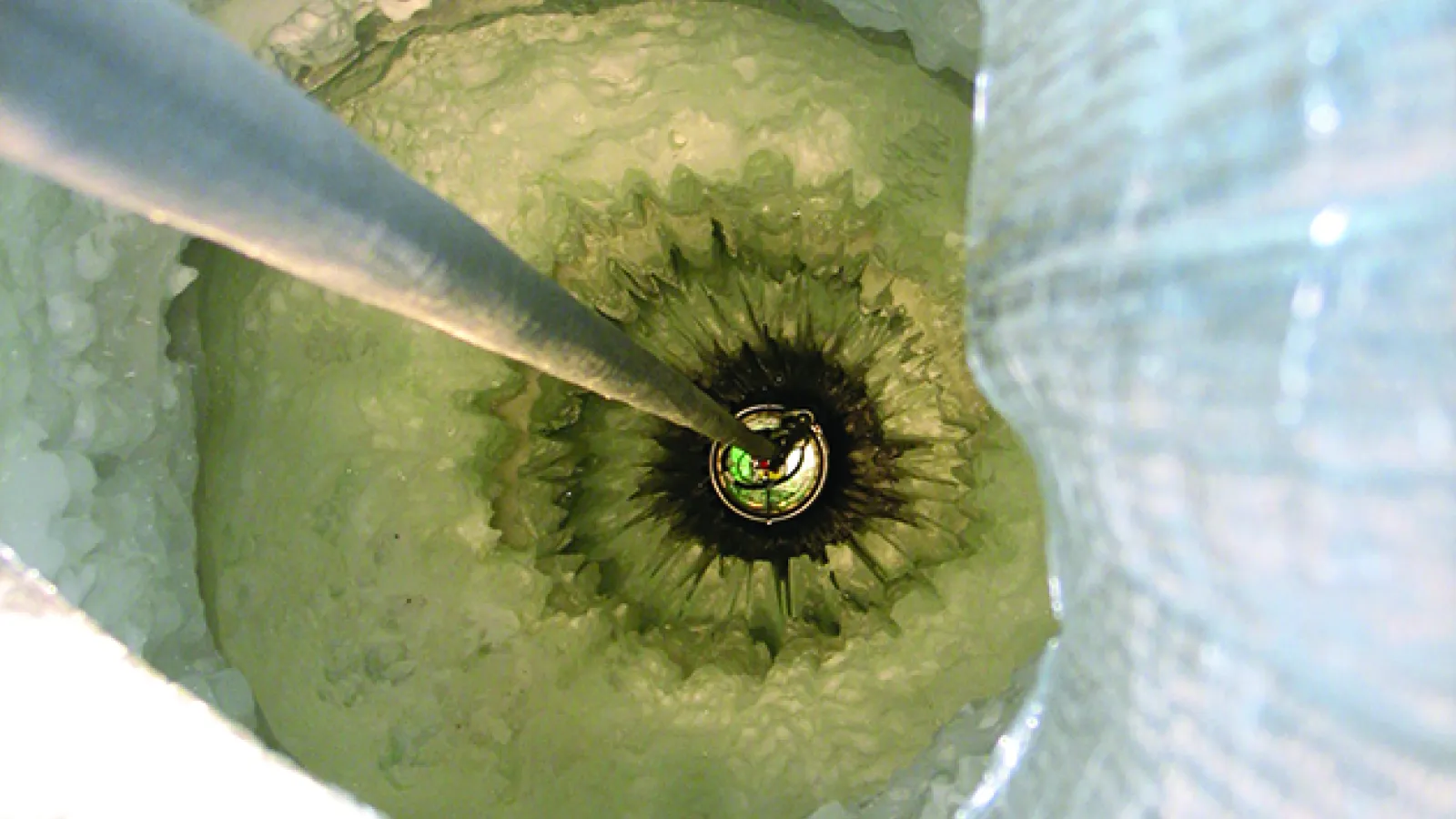
(Originally posted to https://artsandsciences.osu.edu/news-events Autumn 2018 edition)
Astrophysicists unlock mysteries deep beneath Antarctic ice. What could be more daunting than searching…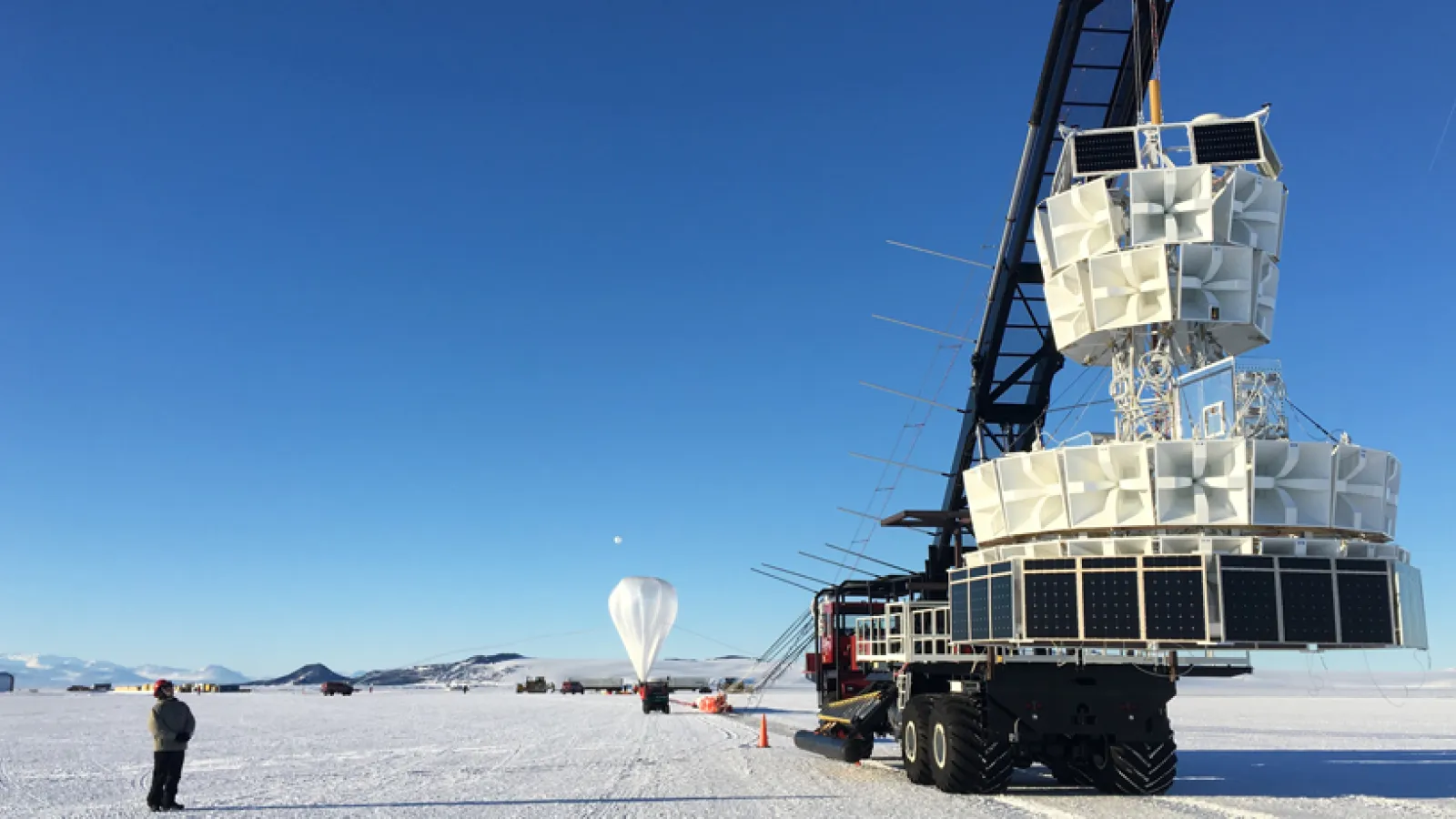
Dangling from a balloon high above Antarctica, a particle detector has spotted something that standard physics is at a loss to explain.
John Beacom, ASC Distinguished…
A new paper from the Department of Astronomy, in collaboration with ASC Technology Services, provides uniform classification of 412,000 known variable stars (brightness as seen from Earth…
The 2018 Michelson Postdoctoral Prize was awarded to Tim Linden for his work bridging Astrophysics and Particle Physics. He will spend the week of Oct 1 – 5 in residence in…
Inspiring people to learn through a mixture of fun and awe, is what The Works is all about. And it's latest addition is light years ahead of the rest.
The Sci-Dome Planetarium is opening up…
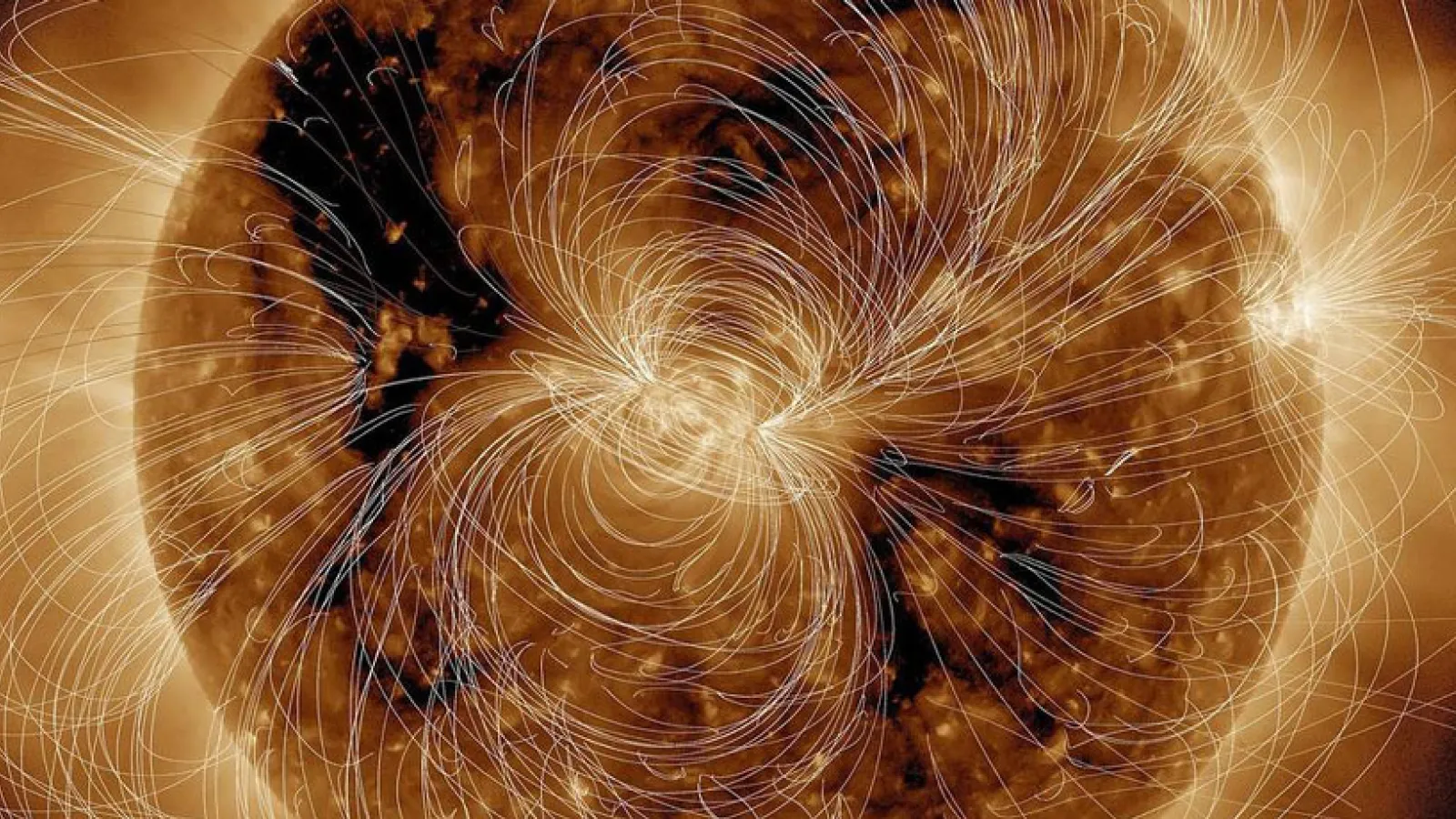
Researchers are stumped by the sun’s high-energy gamma-ray emissions, which were examined over most of the solar cycle for the first time by Ohio State astrophysicists John Beacom…
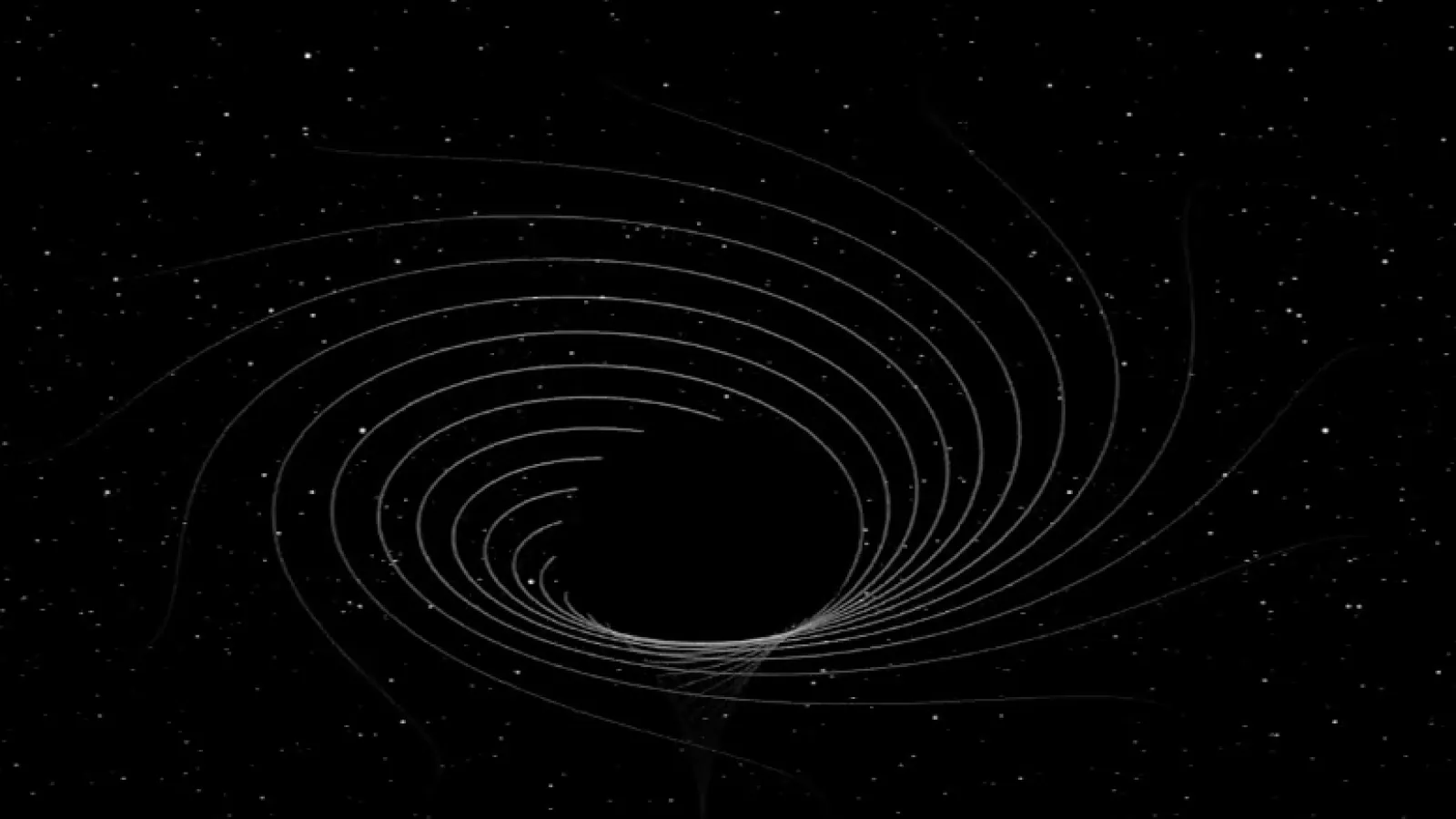
Black holes, befitting their name and general vibe, are hard to find and harder to study. You can eavesdrop on small ones from the gravitational waves that echo through space when they collide—but…
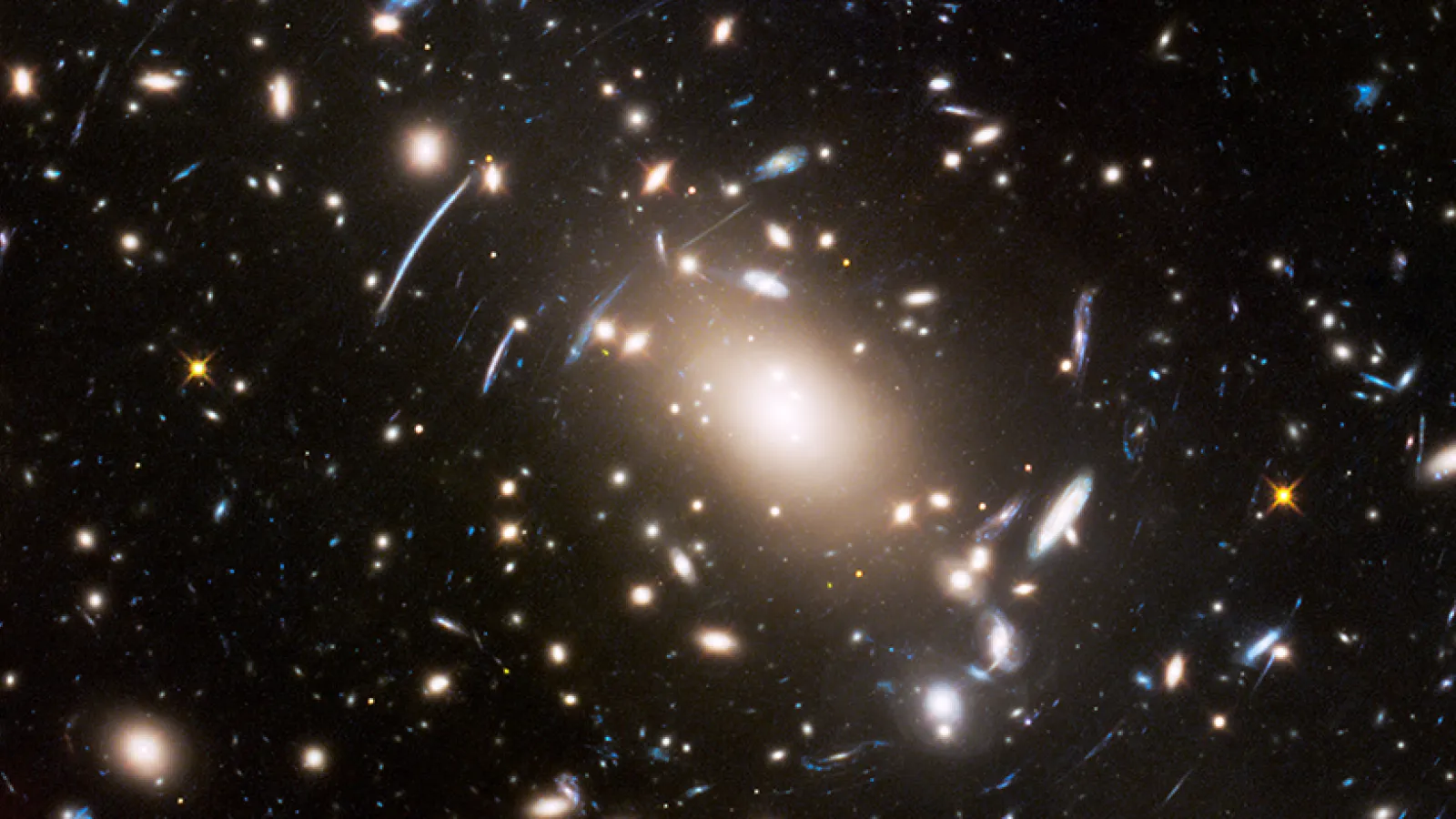
Dim light emanating from the purgatory between galaxies could illuminate the most shadowy constituents of the cosmos.
Dark matter, an unidentified type of particle that interacts…
Though it dominates the universe, dark energy is the biggest discovery we don’t understand. David Weinberg, Distinguished University Professor, astronomy weighs in on revealing…
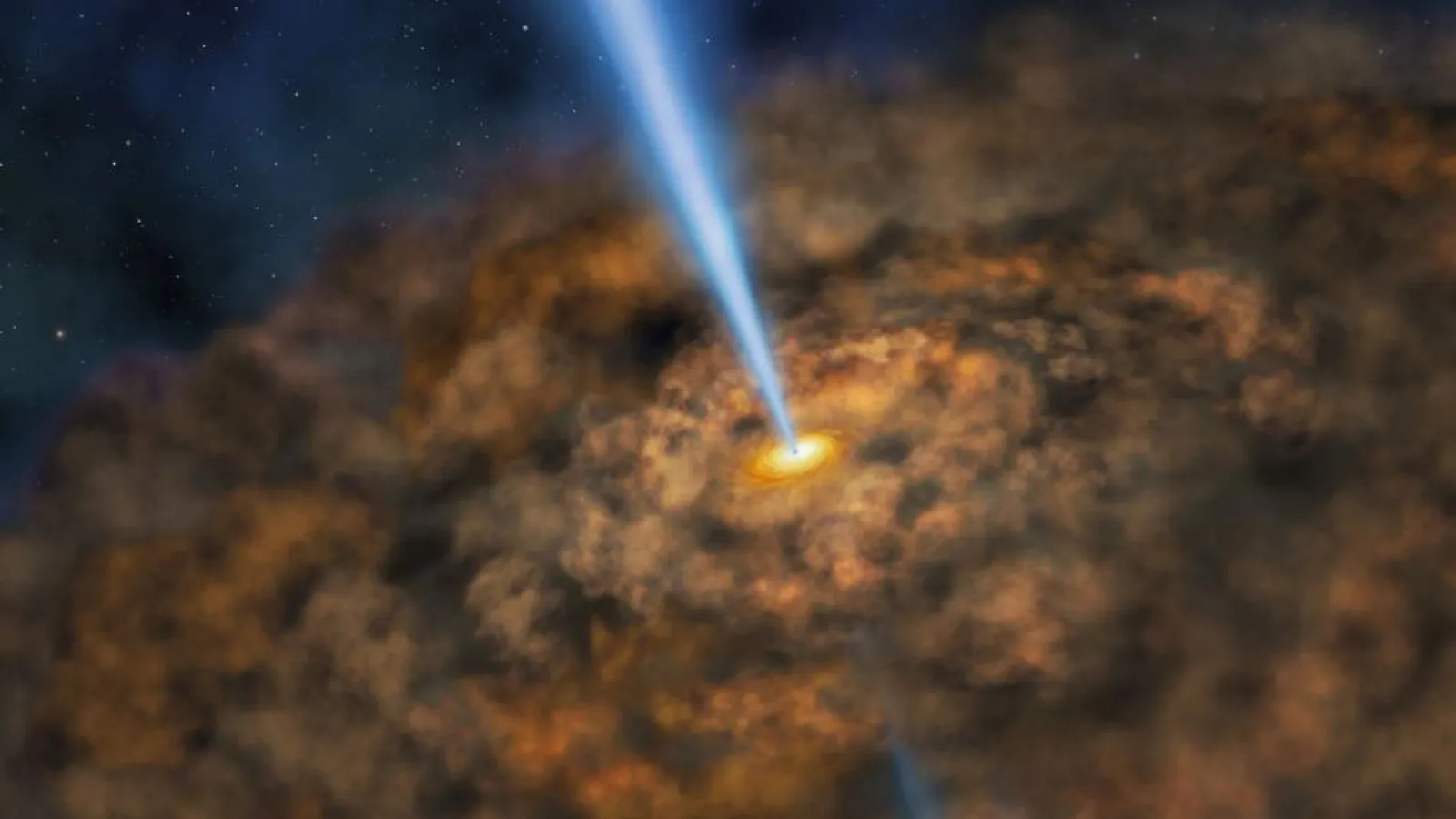
Black holes aren’t surrounded by a burning ring of fire after all, suggests new research. A team from the Department of Physics has calculated an explanation of what would happen if an electron…
Time travel is scientifically possible — "it's only a matter of going really, really fast," according to Paul Sutter, community outreach coordinator at Ohio State's Center for…
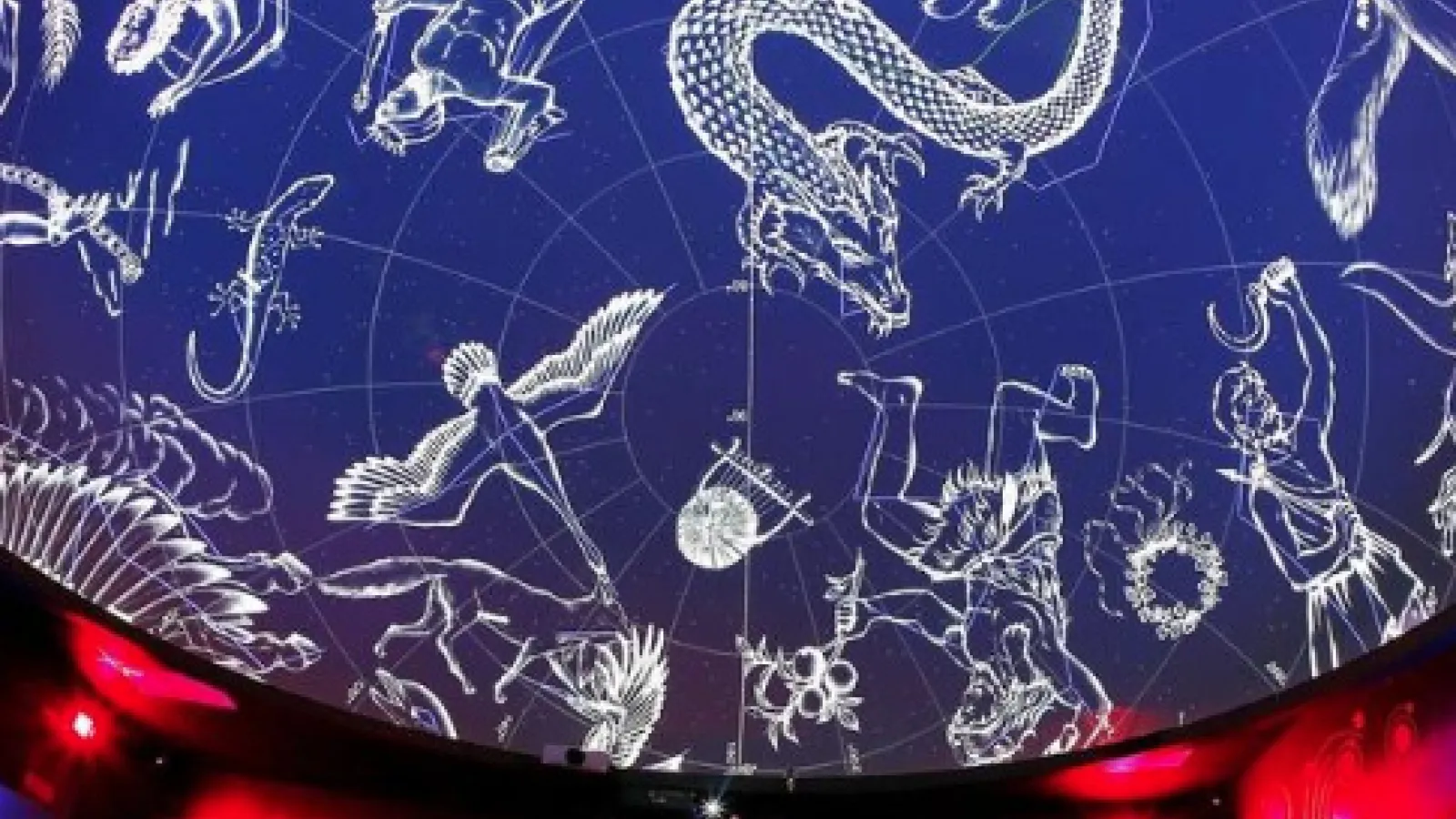
Michael Stamatikos is the founding director and chief science officer of the new SciDome at the science, history, art and technology center which opened to the public on Saturday June 9, 2018.
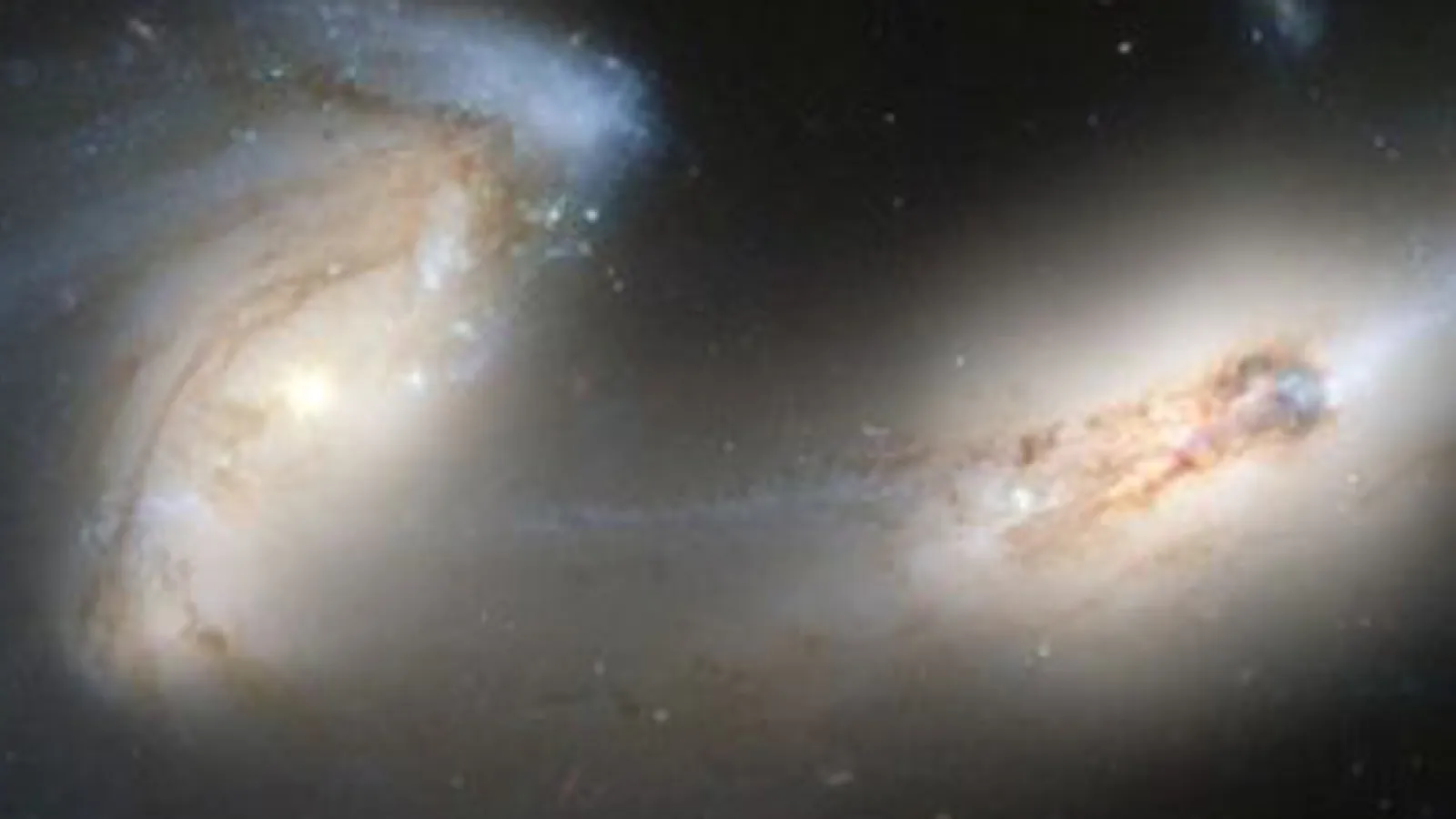
Led by faculty in the Department of Astronomy, the All Sky Automated Survey for Supernovae (ASAS-SN) is an international project to rapidly identify and study the brightest transient sources the…
While gazing at the stars under a clear night sky might make you feel like you're at the center of the universe, the universe actually looks the same from any point, explains Barbara Ryden…
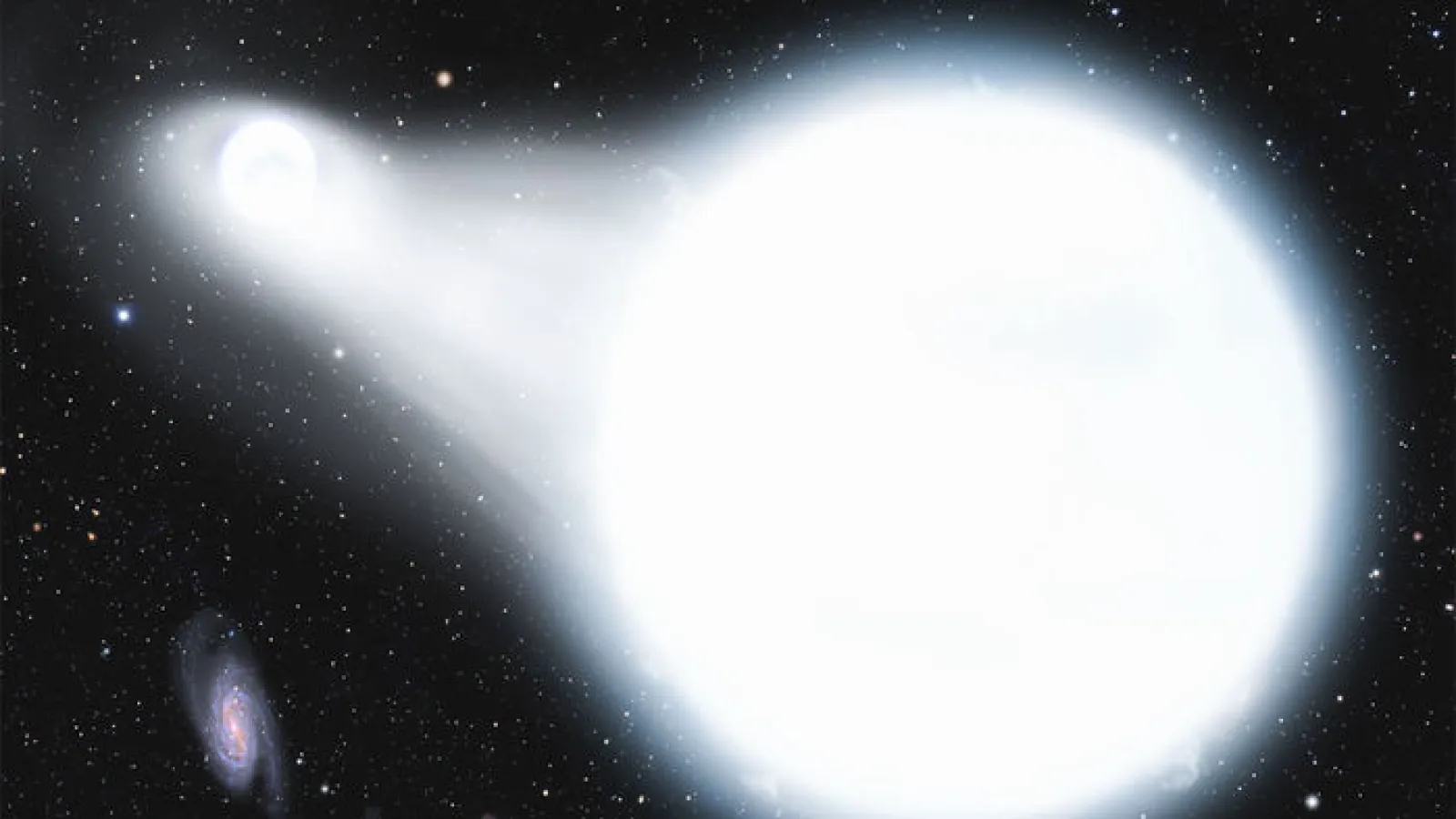
A unique type of supernova may have caused the trajectory of one of the fastest-moving stars in our galaxy. Astronomy professor Kris Stanek comments on the discovery — based on…
Think Ohio Stadium is big? You should see the Green Bank Telescope, which clocks in at 16.8 million pounds with a dish that spans 2.3 acres. A group of astronomy and physics students recently got…

Professor Emeritus of Astronomy Bradley Peterson has been awarded the NASA Exceptional Service Medal, one of NASA's most lauded annual awards that has been given to many notable…
The Simons Foundation has named Todd Thompson, professor of the Department of Astronomy, as a 2018 Simons Fellow in theoretical physics. Thompson is one of only 52 fellows, and one of only 12 in…
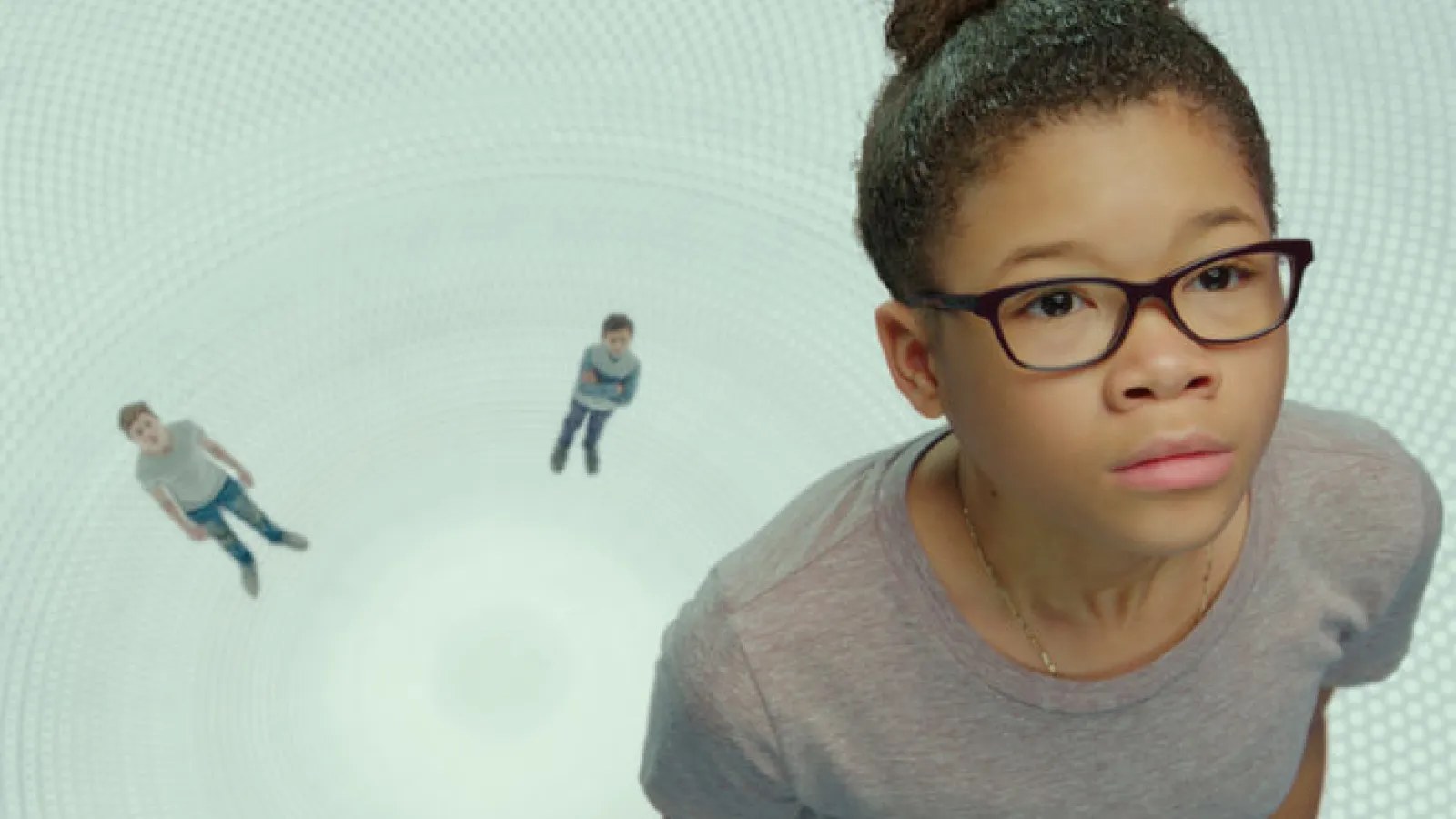
Turns out the space travel depicted in the 1962 novel and new film “A Wrinkle In Time” isn’t all that far fetched. Paul Sutter, community outreach coordinator at the Center for Cosmology and Astro…
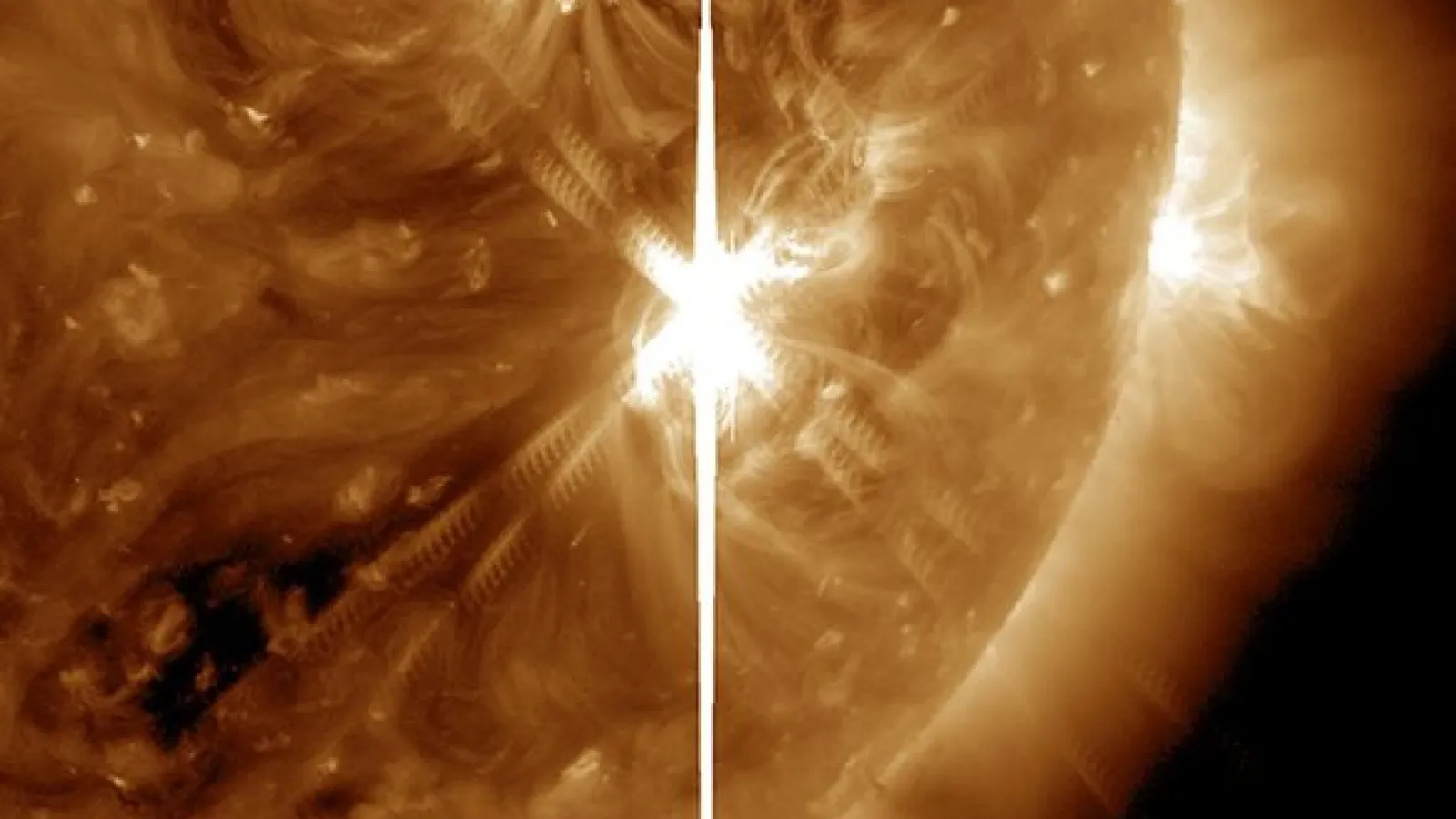
Scientists don't fully understand the inner workings of our solar system’s most important star, but an unexpected finding from researchers in the Department of Physics is shedding some new light…
The Distinguished Scholar Award annually recognizes six faculty members for their exceptional scholarly accomplishments and substantial compilation of research. In the past week, one ASC faculty…
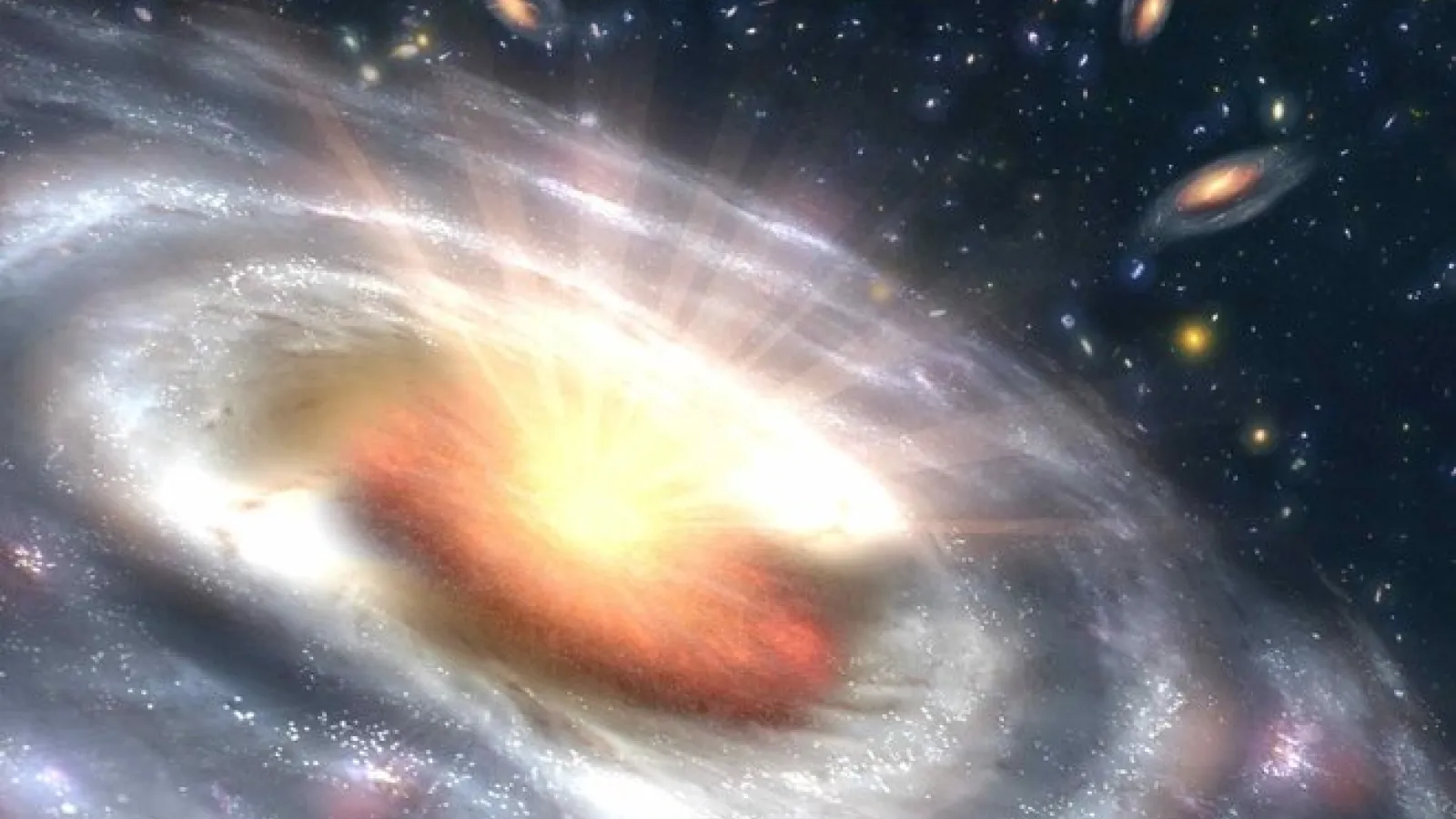
Supernovas pale in comparison to quasars, which are astonishingly massive radiation powerhouses in distant space capable of emitting thousands of times the energy output of our galaxy, explains…
In January, data from the Dark Energy Survey — which utilizes an 8,000-pound camera mounted on an equally powerful telescope in the Andes Mountains to see deep into space — revealed 11 previously…
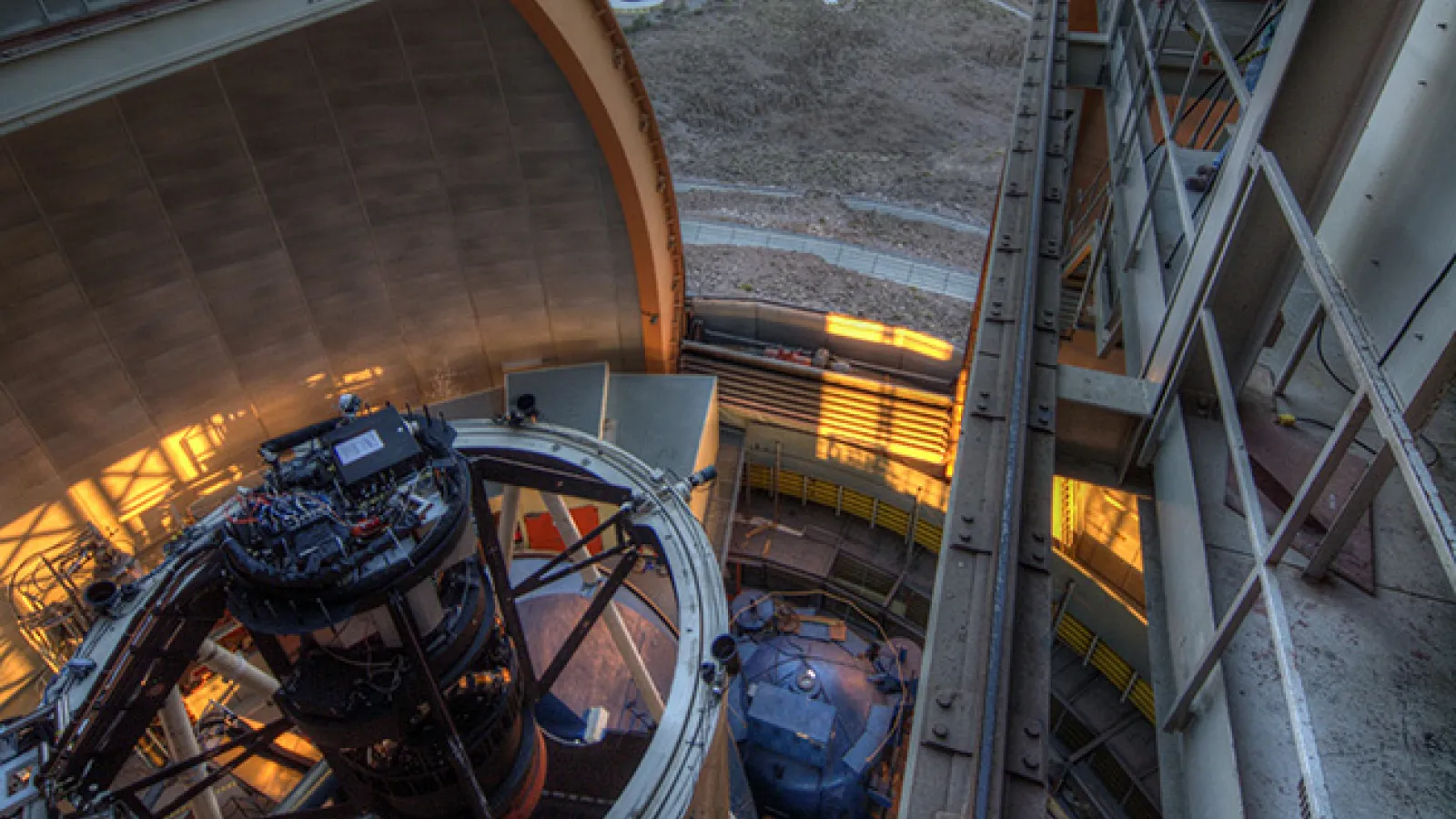
The universe is expanding at an accelerating rate and so is our knowledge of it, thanks to large-scale cosmic surveys like the Dark Energy Survey, which the Center for Cosmology and AstroParticle…
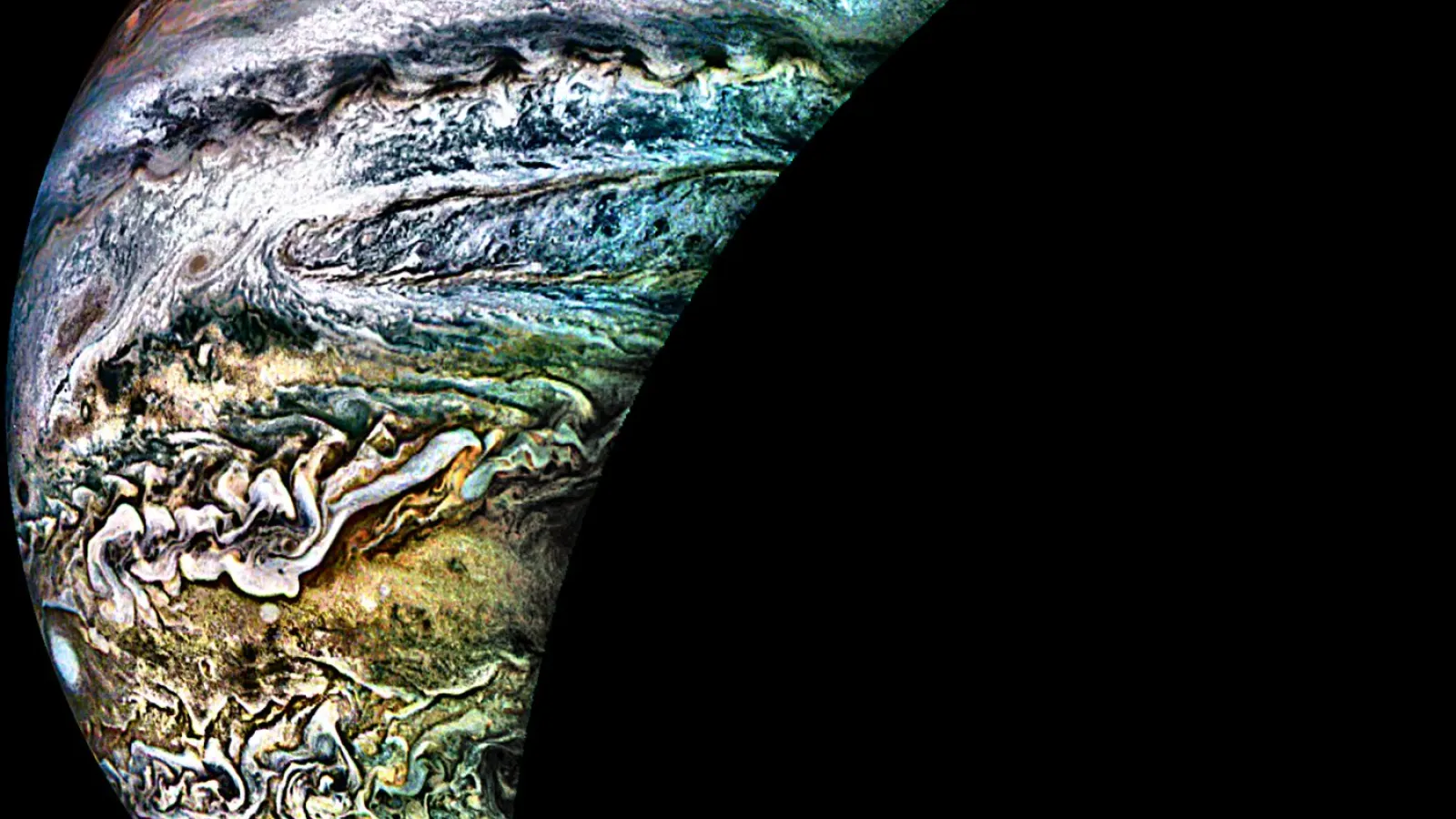
Beneath the cloud tops of Jupiter exist conditions so bizarre that scientists thought they might only be found in exotic environments like white dwarfs and neutron stars, says Paul Sutter…
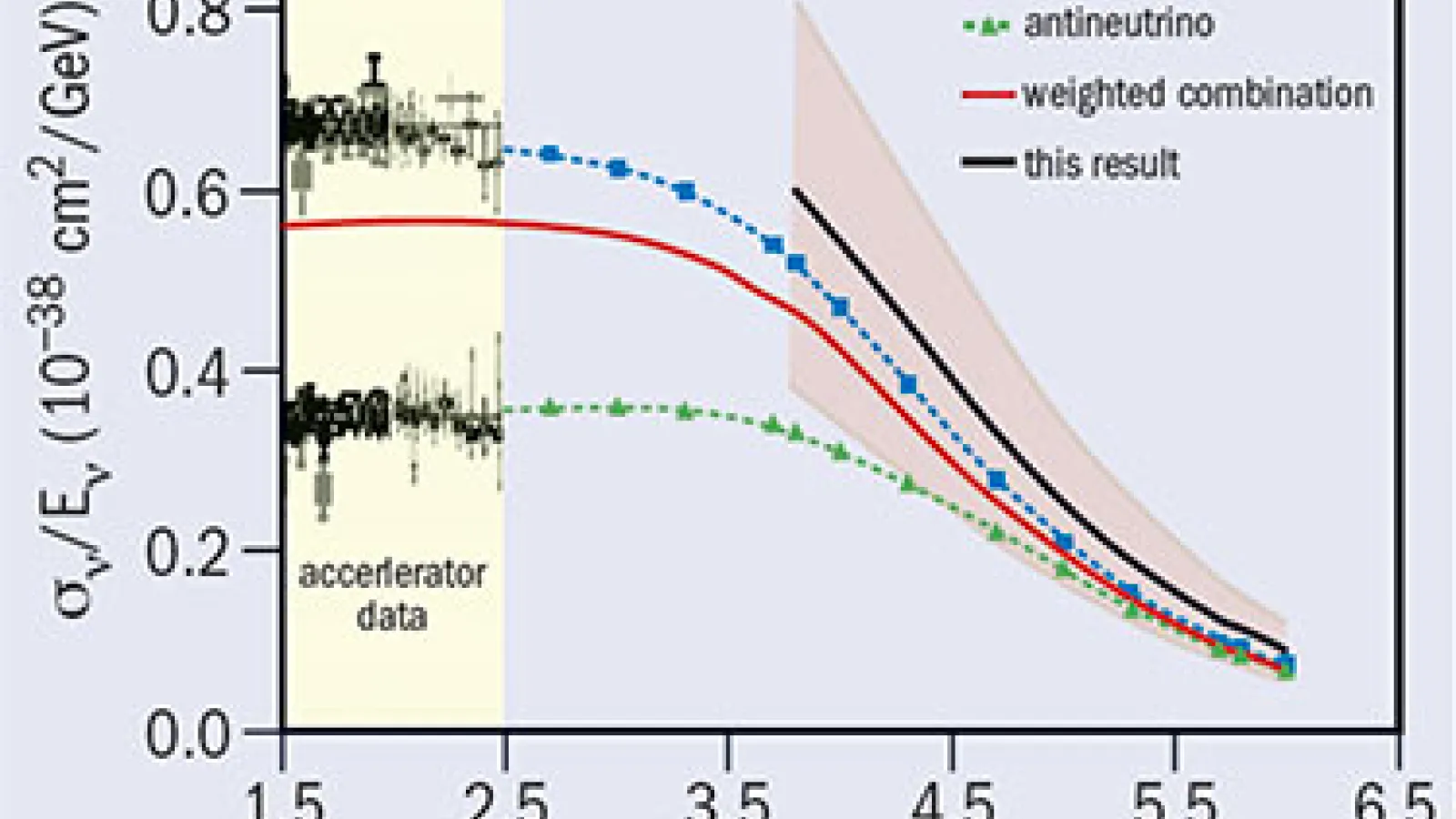
Neutrinos are popularly thought to penetrate everything owing to their extremely weak interactions with matter. A recent analysis by the IceCube neutrino observatory at the South Pole…
Humans have made a staggering amount of scientific and technological progress over the past century, but from the reason we sleep at night to the origins of the universe, several fundamental…
Apple's "Off the Charts 2017" list of most popular courses on iTunes U includes six courses from The Ohio State University College of Arts and Sciences. Additional universities…
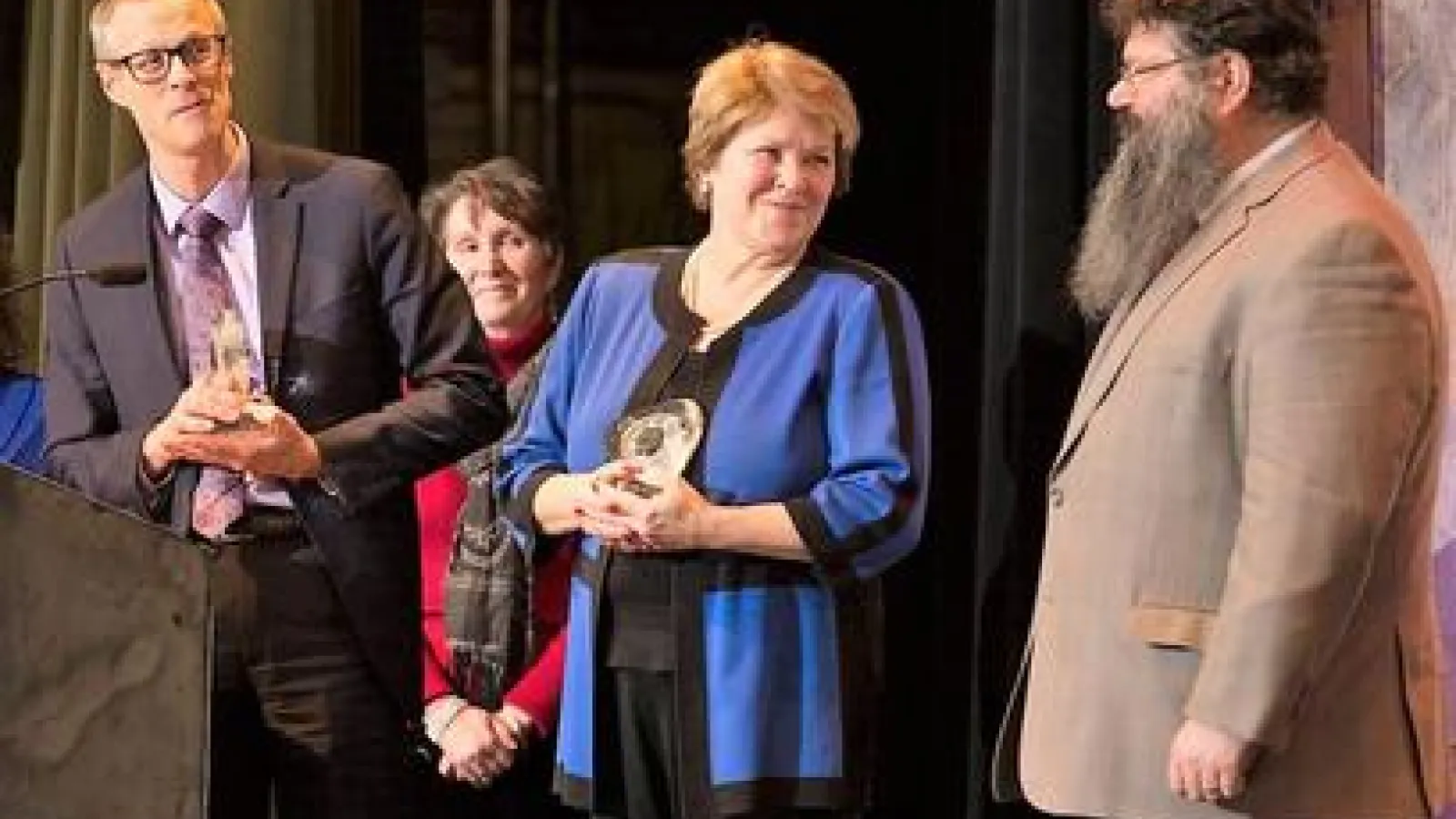
For millennia the stars have fascinated, confounded and inspired poets, painters, scholars and dreamers. So, when The Ohio State University at Newark and The Works: Ohio Center for History, Art…
Astronomy and physics professor Christopher Hirata is the first faculty member from Ohio State to receive a New Horizons in Physics Prize, an award given alongside the annual Breakthrough Prizes,…
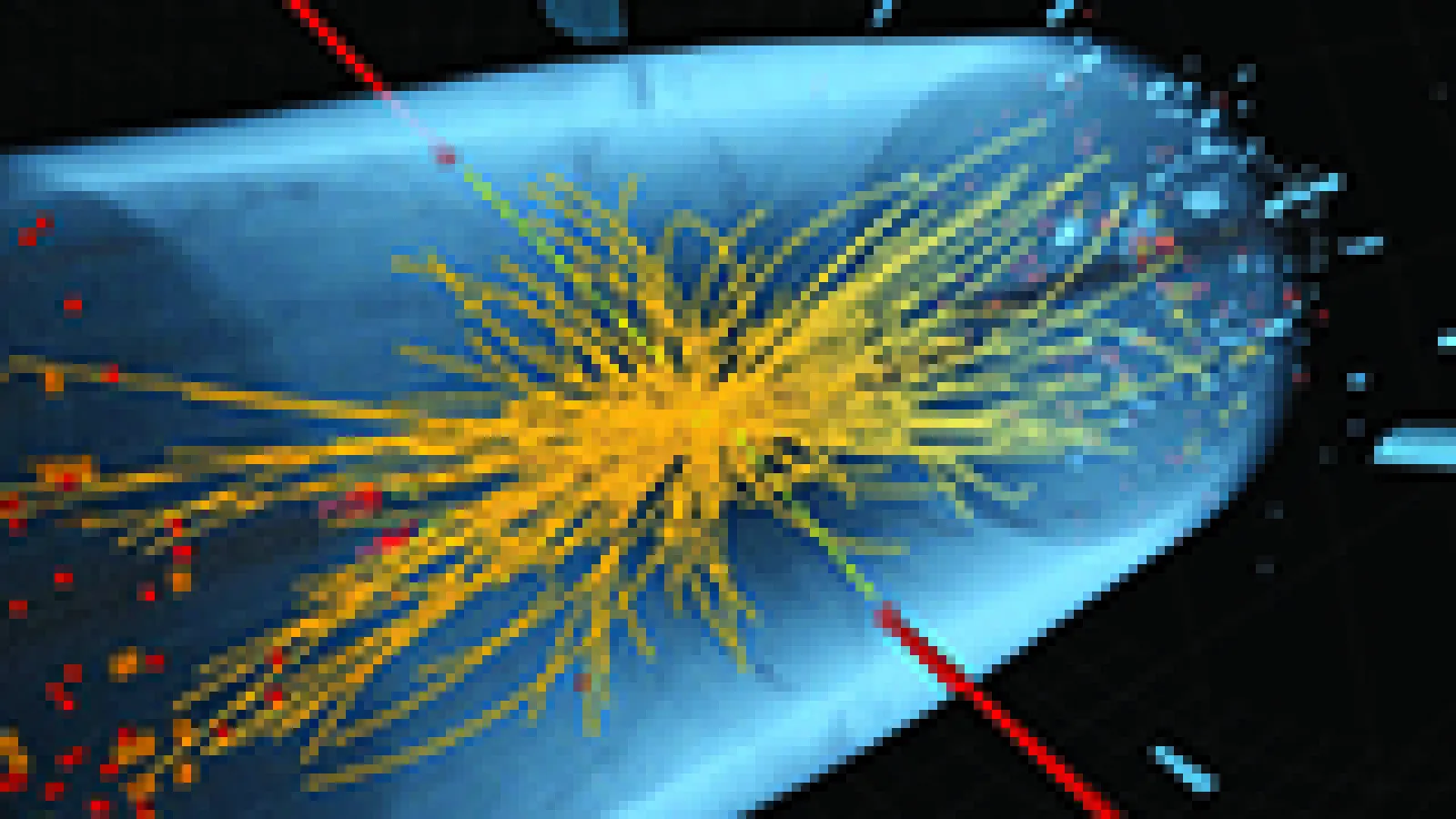
Particle physics, the quest to understand the smallest objects in the universe, depends on operating powerful colliders, like those at Fermilab and CERN. Joe Lykken outlines deep…
Four Ohio State faculty were chosen to receive one of the most prestigious awards given to U.S. scientists. Elected by their peers as Fellows of the American Association for the Advancement of…
Anna Voelker has a dream to make science more accessible, specifically for people living with physical and cognitive disabilities. Now, she is one step closer to making that dream…
Anna Voelker, a science communication and accessibility major, is one of two Ohio State graduating seniors awarded this year’s President’s Prize for her work toward making astronomy more…
Paul Sutter is an astrophysicist who, in addition to studying things like cosmic voids and galaxy clusters, enjoys helping those of us who aren’t astrophysicists understand how…
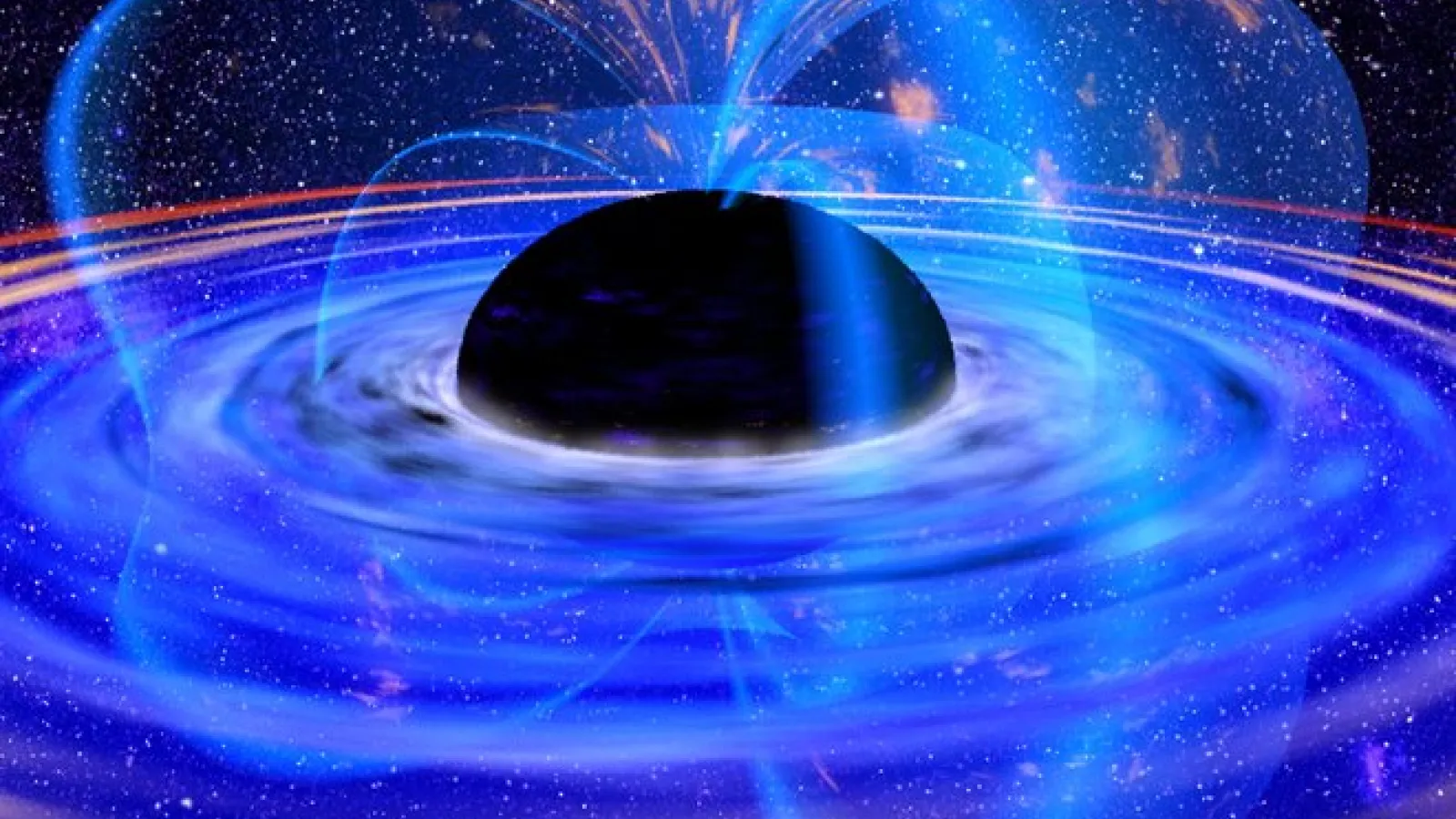
By all accounts, black holes should not exist, and for a long time, they were shrugged off as mere mathematical artifacts — an annoying bug in the otherwise elegant machinery of general relativity…
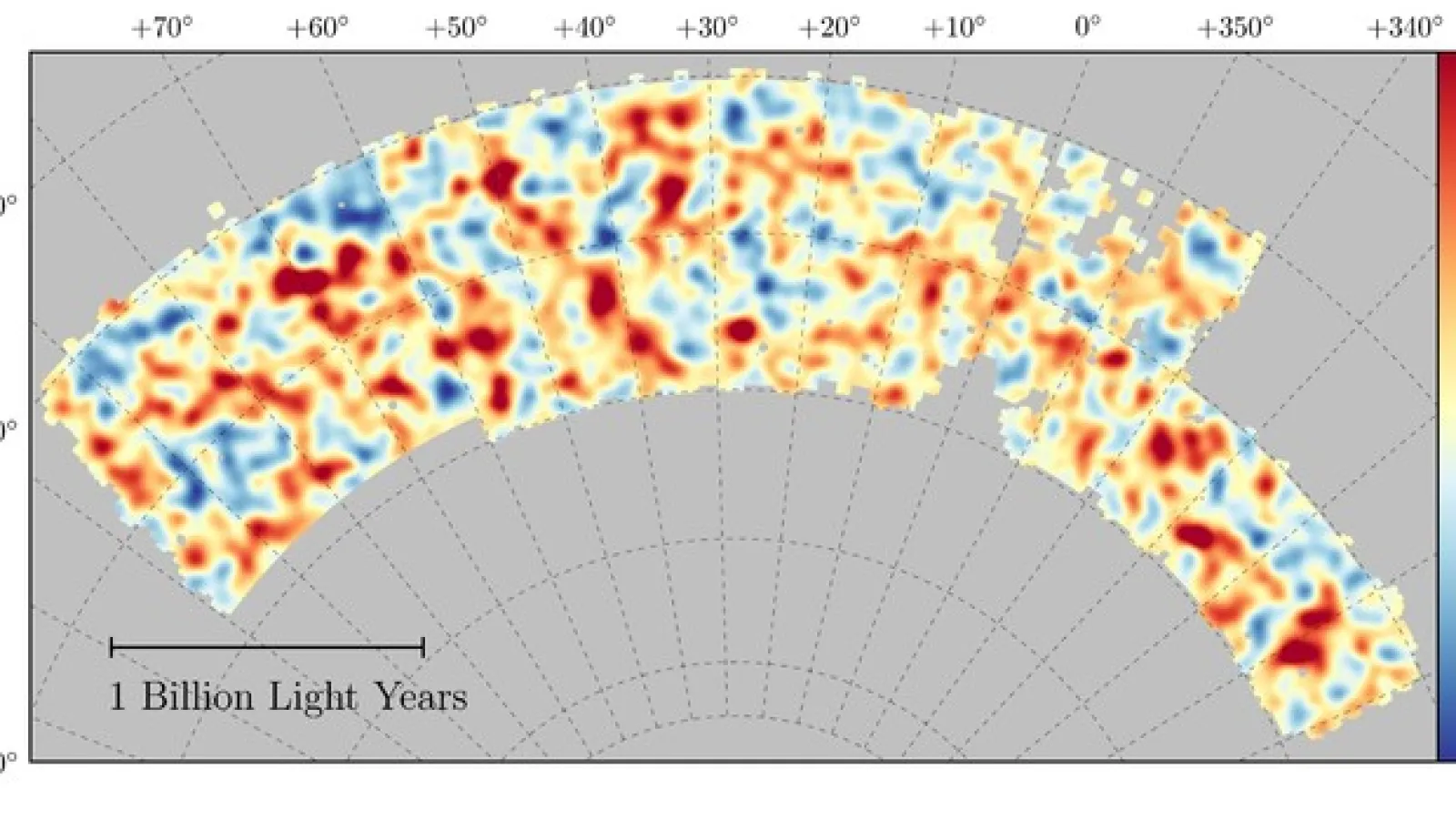
Researchers from the Dark Energy Survey, headed by physics professor Klaus Honscheid, have reached a new milestone mapping the growth of the universe from its infancy to present day. The new…
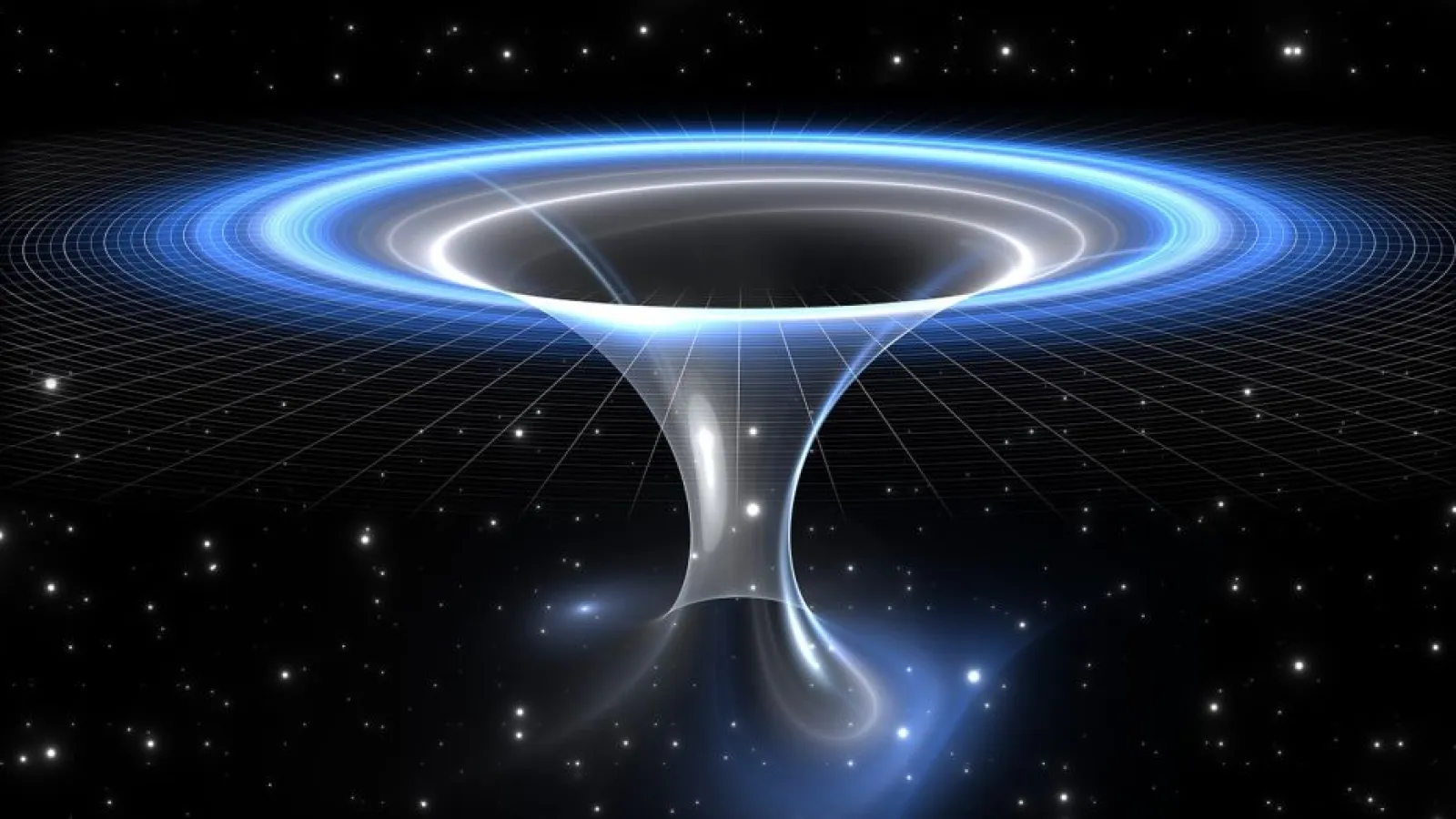
We have complete freedom of movement within space, but we cannot avoid our future. Time seems to have an "arrow," whereas the spatial dimensions are ambidextrous. Given the unity between time and…
The solar eclipse on Monday, Aug. 21 will be the first to travel coast to coast across the continental United States since 1918. Ohio State astronomers will be spread all along the path of…

With the aid of Physics students and under the direction of our our Instructional Support Staff (Harold Whitt, Chris Healy and Katie Ferrell) once again Phun with Physics is at the Ohio State Fair…

Ohio State Newark and The Works: Ohio Center for History, Art & Technology, broke ground June 2 for their collaborative $1.4 million SciDome planetarium, expected to be completed in 2018. This…
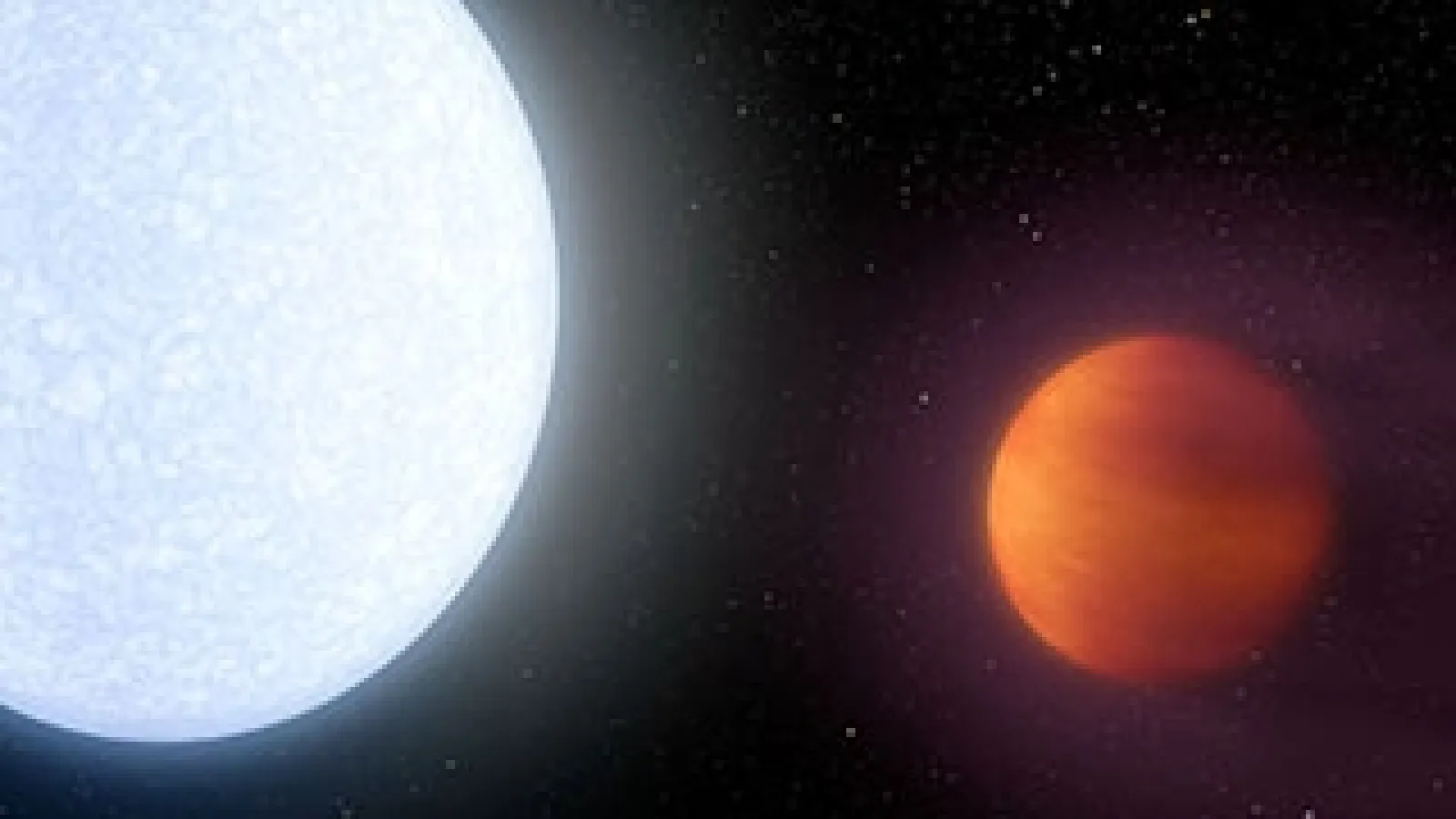
Astronomer Scott Gaudi, Thomas Jefferson Professor for Discovery and Space Exploration, co-led an international team that discovered planet KELT-9b is “so hot it stretches the…
For the first time, astronomers have seen a dying star collapse directly into a black hole. The fizzle of this star — about 25 times more massive than our Sun — could explain why astronomers…
From uncovering how illnesses work to studying the births and deaths of massive stars, the women in STEM in the College of Arts and Sciences continue to be an influential presence in the Ohio…
The Spaceman himself, Paul Sutter, CCAPP Outreach Coordinator and COSI chief science officer, records the pilot for “Space Radio,” a new show on WCBE, Thursday, May 18 at 4 p.m…
Astrophysicist Paul Sutter and undergraduate astronomy & astrophysics major Anna Voelker have launched a new video series called We Don't Planet on space.com that explores and explains fascinating…
Clark Spencer Larsen, distinguished professor of social and behavioral sciences; professor and chair, Department of Anthropology, and David Weinberg, distinguished professor of…
Physics faculty member John Beacom interviewed the television stars of "Mythbusters," Jamie Hyneman and Adam Savage, on stage at the Ohio Union in front of a sellout crowd of 1…
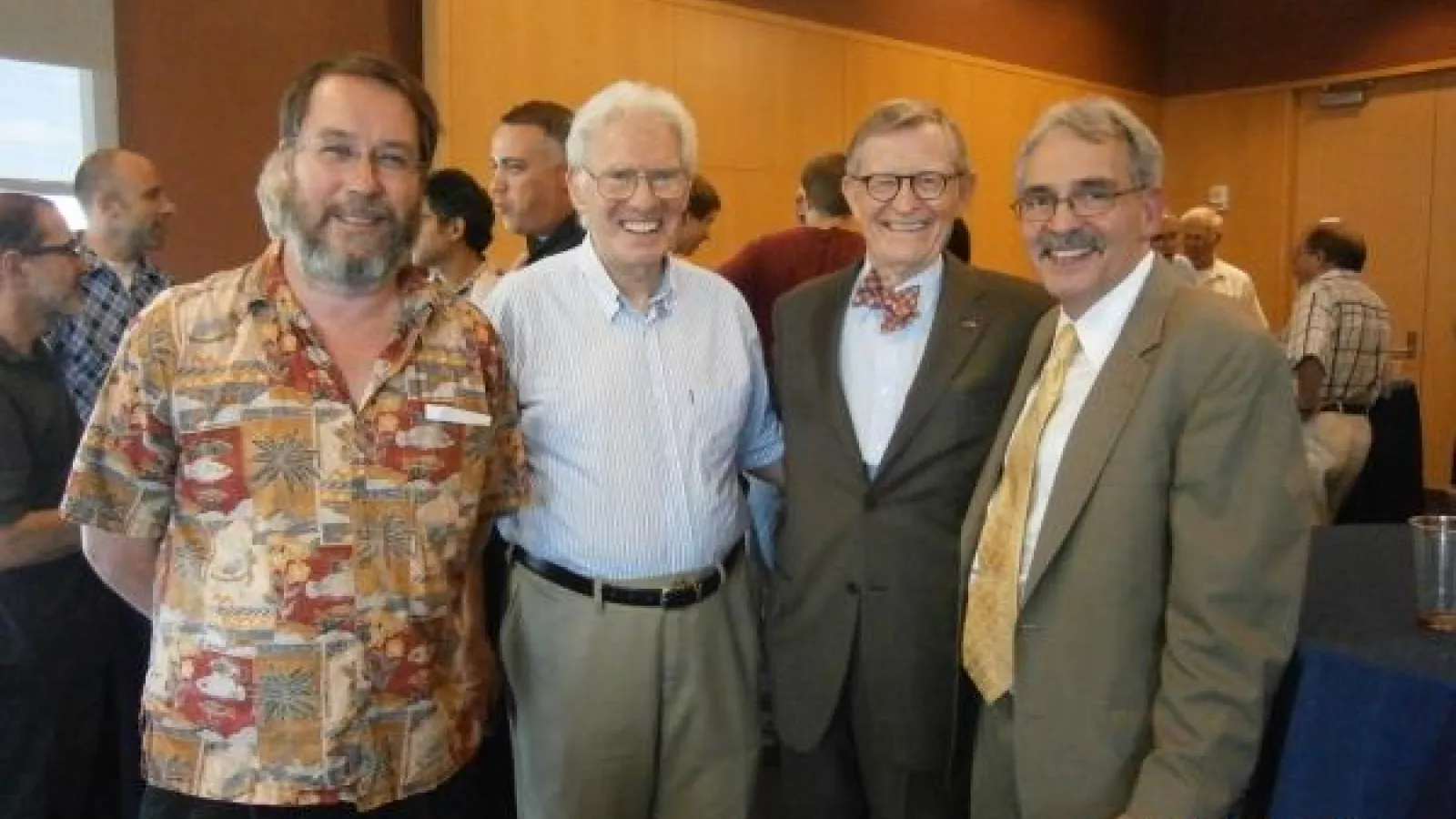
APRIL 17, 2017
Pictured are Jim Beatty (former chair of Physics), Prof. Steigman, Gordon Gee (former OSU President) and Brad Peterson (former chair of Astronomy).It is with great sadness…

Marc Pinsonneault, professor of astronomy, is one of the world’s most accomplished stellar astrophysicists. His research focuses on theoretical models of stellar structure and…
The Department of Energy (DOE) has awarded a three-year, $5.65 million grant to Ohio State’s High Energy Physics Group to fund research of 13 faculty members, their postdocs and graduate students…
John Beacom, professor of physics and astronomy, director of the Center for Cosmology and AstroParticle Physics (CCAPP), is one of three theoretical physicists named a 2017…
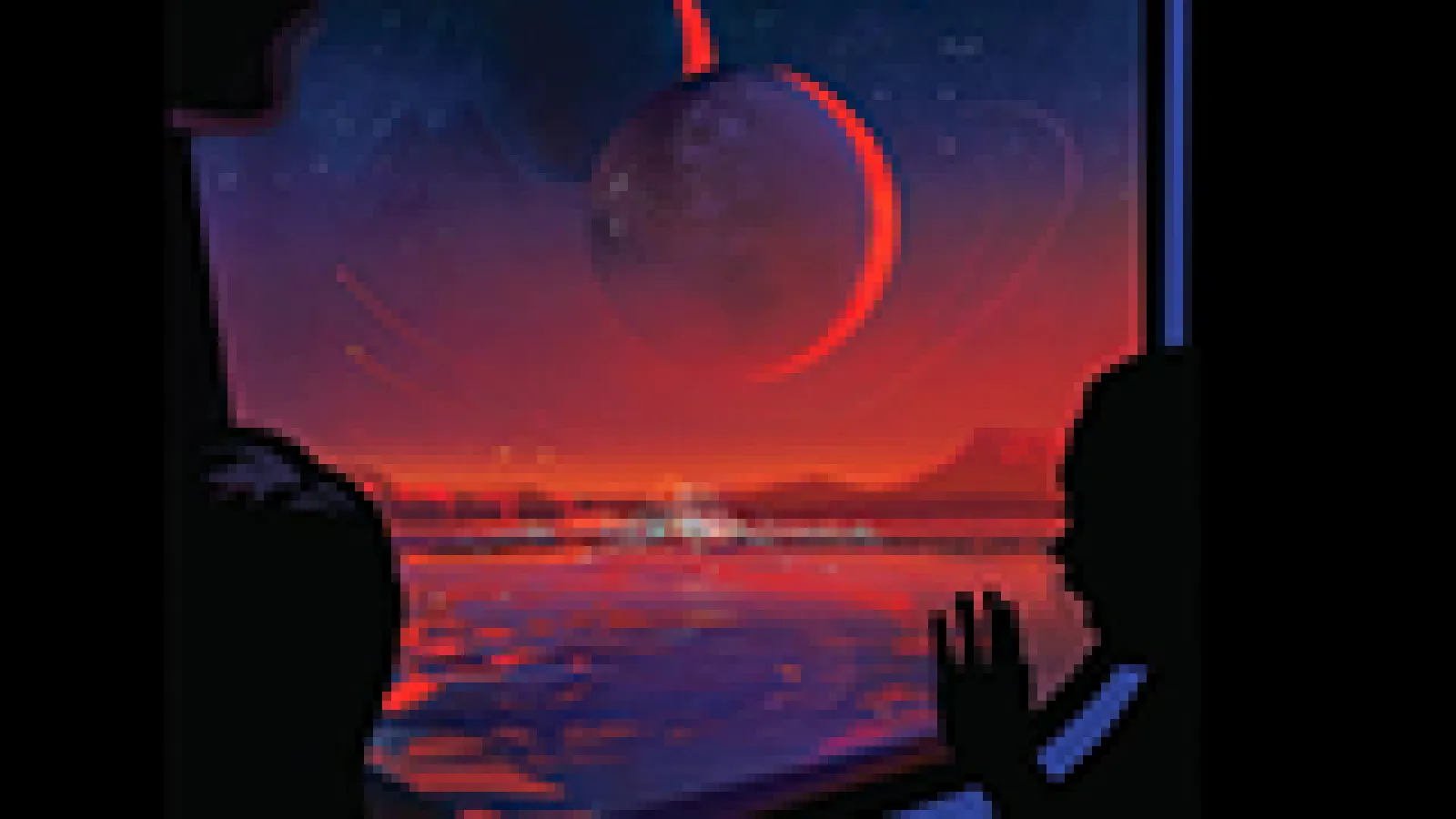
Last month, an international team of researchers announced the discovery of seven potentially habitable Earth-size planets. While much remains unknown about these exoplanets, artists have come…

Chris Orban, theoretical physicist at Ohio State’s Marion campus, studies laboratory and astrophysical plasmas in cosmological simulations. He leads the 2016 Battelle Engineering,…
Astronomy Professor Jennifer Johnson has re-created a periodic table color-coded with the cosmic origins of all the elements. The table draws on research from astronomers and…
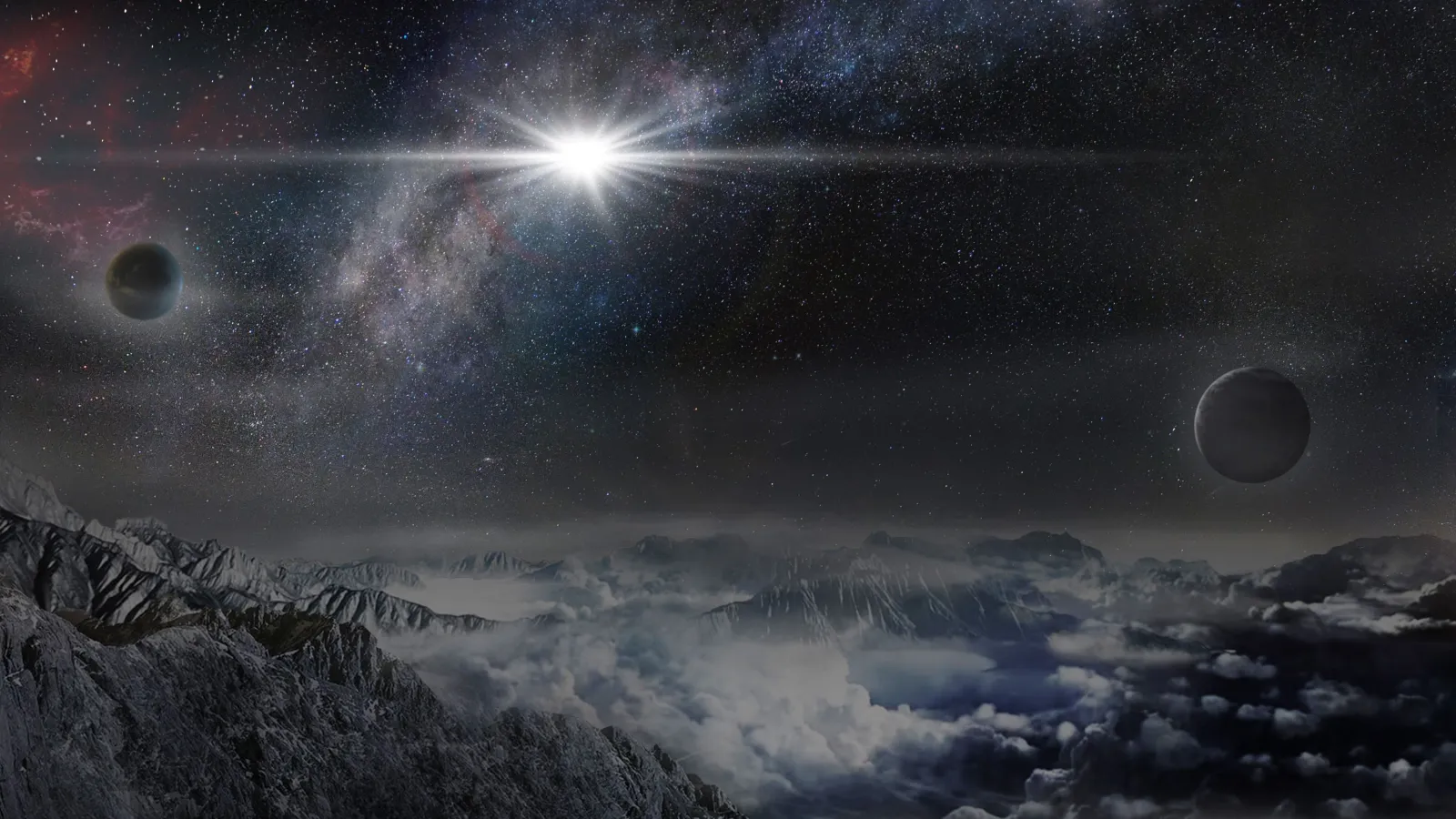
Humans have always marveled at the night sky. Yet, it has been impossible to monitor and record the entire sky nightly to seek transient, variable, sometimes violent events marking the evolution…
"For decades, science popularizers have said humans are made of stardust, and now, a new survey of 150,000 stars shows just how true the old cliché is: Humans and their galaxy have about 97…
"Michael Stamatikos is an assistant professor of physics and astronomy at Ohio State University-Newark. He also is part of a team of scientists working on interpreting data from NASA's Swift…
CCAPP faculty Adam Leroy and his students will get the best look yet at how stars are born in galaxies' "stellar nurseries," thanks to a new, five-year National Science Foundation Faculty Early…
A satellite mission that Michael Stamatikos, physics and astronomy assistant professor on Ohio State's Newark campus, supports was recently ranked number one by NASA in science output among…

Terri Brandt who was advised by Prof. Jim Beatty and graduated from OSU with her PhD in 2009, has recently been appointed as the new Deputy Chief Scientist for the PCOS Program Office at NASA…
Bradley Peterson, astronomy department professor and chair emeritus, has been elected chair of the American Association for the Advancement of Science (AAAS) Section on Astronomy…
Adam Leroy, assistant professor, astronomy, is ASC’s latest NSF CAREER Award recipient. His five-year grant of $582,635 allows Leroy and his graduate students to use latest…
Astronomy Assistant Professor Adam Leroy was awarded a prestigious Faculty Early Career Development (CAREER) Award from the National Science Foundation, which supports junior faculty who are…
CCAPP faculty member Jim Beatty has been appointed to serve on a NASA advisory panel. He will join the Executive Committee of the Physics of the Cosmos Analysis Group (PhysPAG) from 2016 to 2019…
We’re not just blowing smoke! Visit OSU’s Phun with Physics booth for some extreme science fun.
Be dazzled with some cool liquid nitrogen experiments that are sure to rock the building.
…
NASA recently named chairs to lead scientific studies of four potential contenders for the "flagship astrophysics mission" to take place in the 2030s. NASA appointed Brad Peterson, astronomy…
Paul Sutter, cosmological research and community outreach coordinator for CCAPP has also been appointed the first Cheif Scientist at COSI. "Proving that sometimes you can have the best of two…

Shirley Li is among 17 Arts and Sciences graduate students to win the Edward F. Hayes Graduate Research Forum Prize, winner in the area of Physics. Ohio State's Edward F. Hayes Graduate Research…

David Weinberg was named to Thomson Reuters' 2015 list of Highly-Cited Researchers whose work has had worldwide impact and influence, ranking among the top one percent most cited for their field…